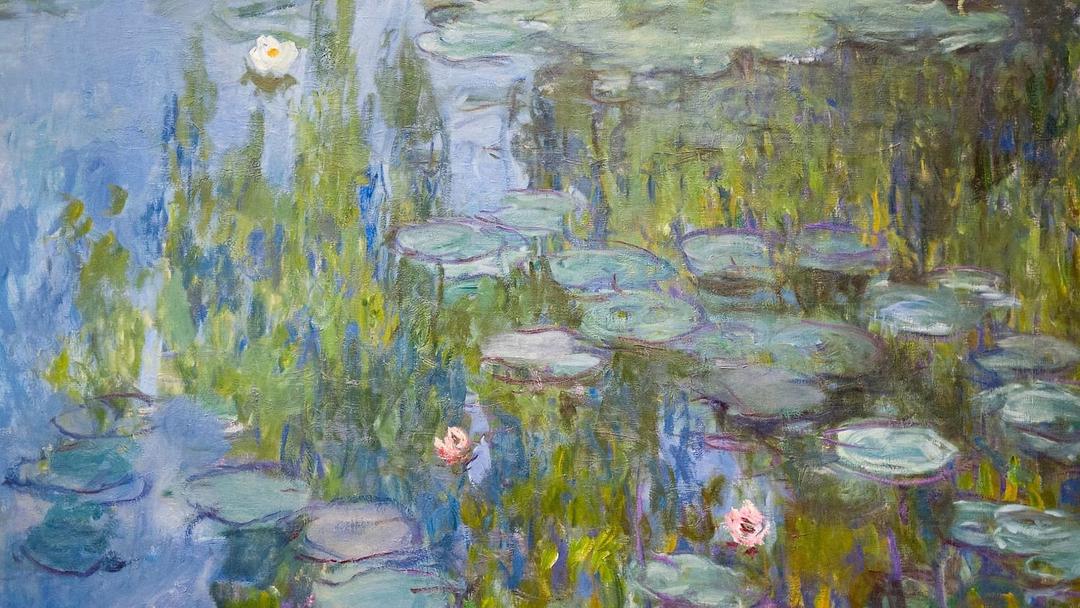
Monet Mistaken for AI Art in Viral X Experiment
The Spin
Narrative A
The Monet prank on X revealed how people's hatred of AI art isn't based on actual perception, it's based on labels. When 6.7 million users confidently trashed a real Monet as AI slop, it proved that bias, not discernment, drives most AI criticism. Research backs this up: people can't reliably tell AI art from human art, and the negativity kicks in only after being told something is AI-generated.
Narrative B
The Monet experiment wasn't really about bias against AI, it highlighted something deeper about why art matters. Humans value art for the intention, struggle and history behind it, not just visual quality. A perfect forgery sells for nothing at auction, and AI art faces the same problem as, however impressive it is, it carries no human meaning behind it.
Narrative C
The Monet stunt exposed a deeper crisis in the modern art world: people no longer engage with art itself, they engage with labels, status, and social signaling. Online culture has flattened art into disposable "content" built for instant reactions and algorithmic tribalism, encouraging millions to confidently judge works they barely examine. The public has always mocked unfamiliar art movements, but social media has industrialized that reflex into a constant performance of shallow certainty.
Metaculus Prediction
The Controversies
© 2026 Improve the News Foundation.
All rights reserved.
Version 7.16.0