Mattel Launches First Autistic Barbie Doll
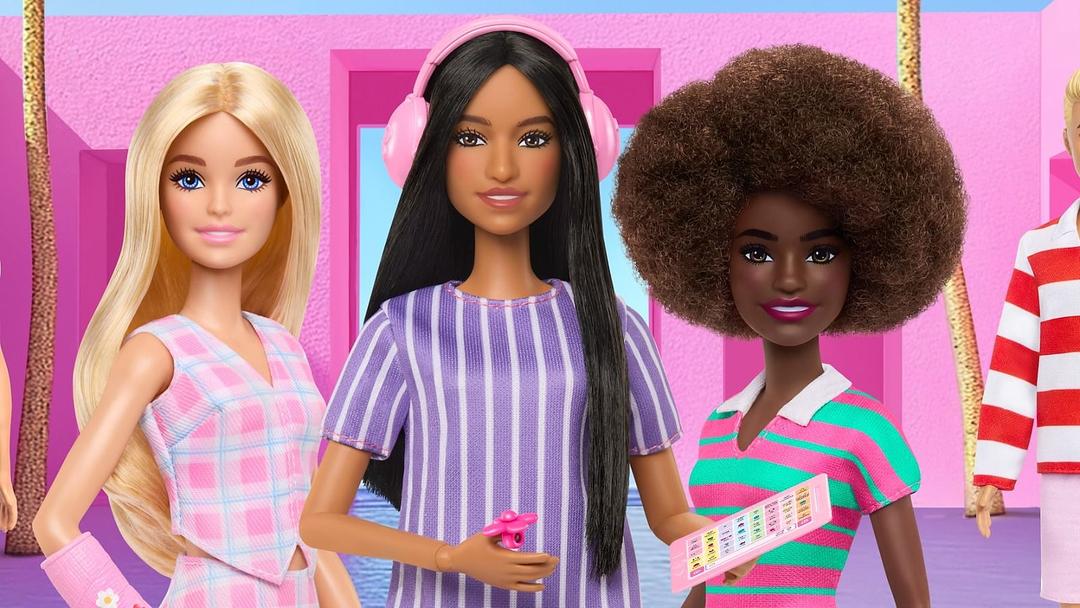
The Facts
- Mattel on Sunday unveiled its first autistic Barbie doll, developed over more than 18 months in partnership with the Autistic Self Advocacy Network and designed “to represent common ways autistic people may experience, process, and communicate about the world.”
- The doll features articulated elbows and wrists to enable stimming and hand flapping, along with an eye gaze shifted slightly to the side to reflect how some autistic individuals may avoid direct eye contact.
- Each autistic Barbie comes with a pink fidget spinner for sensory engagement, noise-canceling headphones to reduce sensory overload and a tablet displaying symbol-based Augmentative and Alternative Communication apps.


Sources Split
LEFT
CENTER
RIGHT
+2


+3
+2
ESTAB
CRIT
CENTER
PRO
ESTAB
The Spin
Narrative A
The autistic Barbie provides crucial representation that helps neurodivergent children see themselves reflected in mainstream culture at a time when they face unprecedented political attacks. While no single doll can represent the entire spectrum, including tools like AAC devices and fidget spinners opens vital conversations and boosts belonging for kids who desperately need validation that they're valued members of society.


Narrative B
While the intention is good, Mattel's autistic Barbie reinforces harmful stereotypes by reducing a complex neurological condition to a checklist of visual accessories like headphones and fidget spinners. This narrow representation destroys one of the few safe spaces autistic children have — their imaginative play — by forcing them into a palatable, neuro-normative box that fails to capture how autism actually manifests in most girls.

Establishment-critical narrative
Mattel’s autistic Barbie illustrates a superficial approach to diversity: the doll may be brown, but the campaign centers White influencers and decision-makers, turning Black and Brown autistic lives into aesthetic props. True representation requires agency and inclusion in creation, not just visibility. Without it, these efforts remain extractive, reinforcing structural inequities under the guise of progress.

© 2026 Improve the News Foundation.
All rights reserved.
Version 7.18.3