Jensen Huang Spy Affair


The Facts
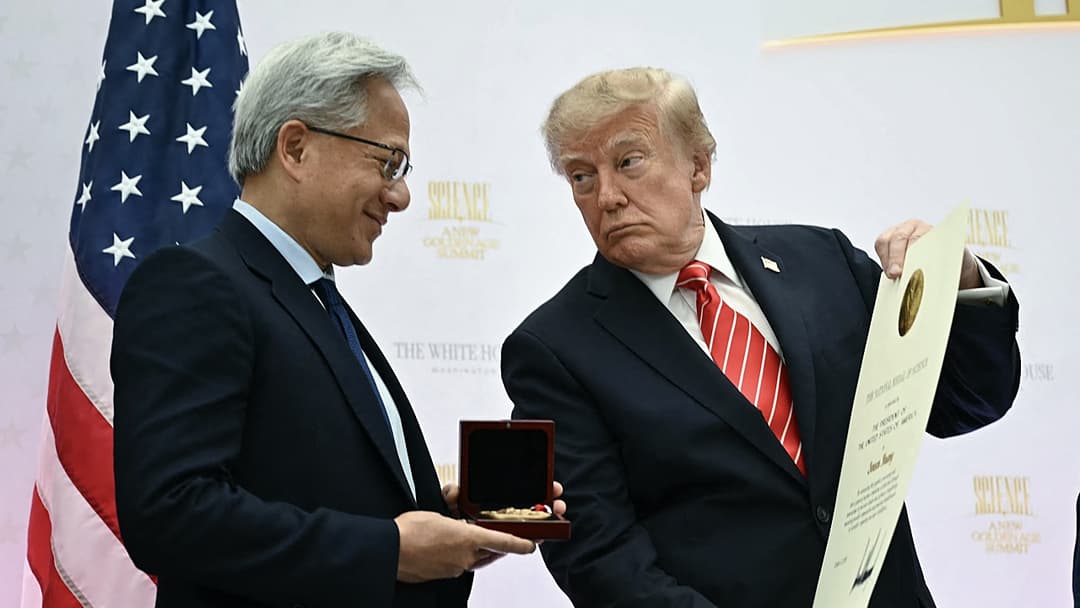
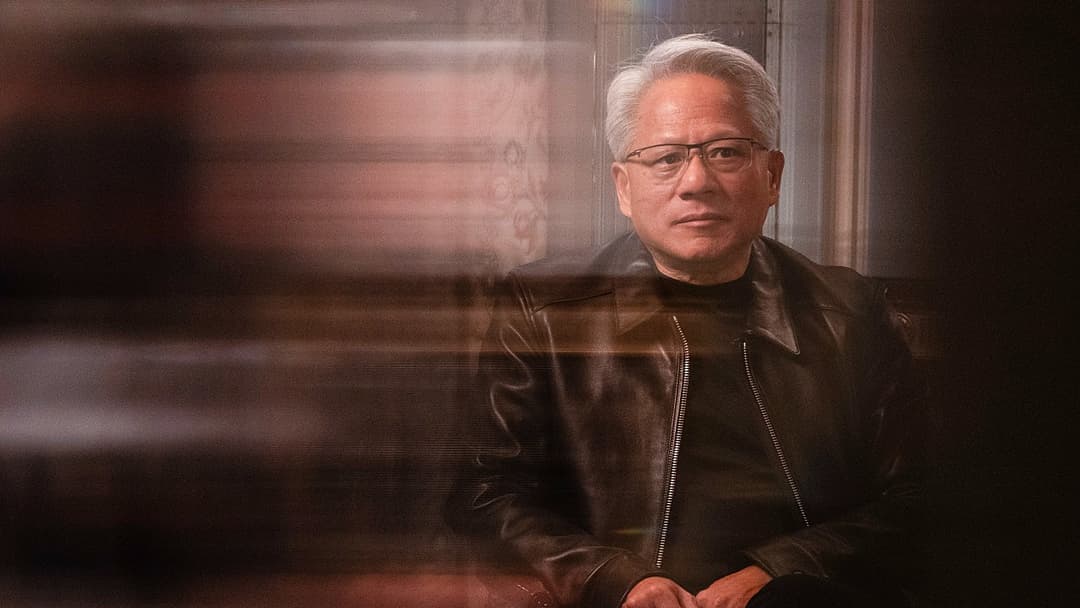
- Overview: In October 2026, reports revealed that Nvidia co-founder Jensen Huang had a relationship with Chinese businesswoman Alice Huang, who U.S. officials reportedly concluded was a Chinese intelligence asset. The revelations prompted an internal investigation and federal scrutiny over whether Beijing obtained confidential information or restricted chips from Nvidia. After The New York Times reported a second affair, with an Nvidia executive who reported to him, Huang resigned as CEO on Nov. 12. Nvidia shares fell 4.3% that day. On Nov. 23, the company reinstated Huang following input from the U.S. government.
- Intelligence Findings: The New York Times first reported the U.S. assessment on Oct. 29, saying officials concluded that Alice Huang, who is not related to Jensen Huang, passed information to Beijing while developing a close relationship with him. China's Foreign Ministry spokesman Guo Jiakun called the accounts "slander and smearing." Singapore's government disputed a Wall Street Journal report that its officials had suspected her of working for China's Ministry of State Security, saying it had not investigated her for espionage. The Journal also reported that Trump was briefed on the concerns roughly a year earlier and took no action. According to the Times, officials believed she may have been recruited to influence Nvidia to make its advanced chips more available to China.
- Export Controls: Nvidia's graphics processing units, which power large artificial intelligence data centers and large language models, have long been a focus of U.S. export controls on China. In 2022, the Biden administration restricted exports of the most advanced Nvidia chips to China and later limited companies that buy chips to build data centers in Southeast Asia serving Chinese firms. President Donald Trump rolled back those rules and, in December 2025, allowed sales of H200 chips to China in exchange for a share of revenue.


Sources Split
LEFT
CENTER
RIGHT
+2
+4


+1

+1
ESTAB
CRIT
CENTER
PRO
ESTAB
The Spin
Narrative A
Huang's affair renews attention regarding Chinese espionage targeting Silicon Valley and raises questions about how AI's smartest leader could fall for the world's oldest trick. Beyond Huang's initial departure, the affair exposes vulnerabilities in the international semiconductor supply chain, holes in U.S. export-control enforcement and the risks facing America's sensitive technology sector.
Narrative B
Huang's removal was a catastrophic overreaction fueled by media sensationalism rather than proven wrongdoing, given the absence of proven espionage or evidence that Nvidia secrets reached Beijing. After building Nvidia into a multitrillion-dollar powerhouse over 33 years, his leadership remains central to the company's identity. The board's hasty decision risked crippling the company's future.

Pro-China narrative
The espionage claims rest on anonymous officials and unpublished intelligence, and Huang's reinstatement after U.S. officials signaled he posed no security risk undercuts them. The incident highlights how personal relationships and ethnic identity are being used to advance efforts to contain China. Such suspicion only drives away the Chinese-origin talent that helped build Silicon Valley, ultimately weakening America's own innovation ecosystem and undermining U.S.-China technological cooperation.