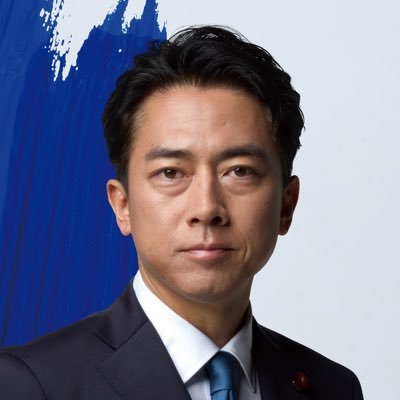
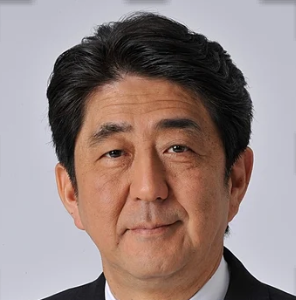
Japan Defense Chief Visits Yasukuni, PM Takaichi Refrains
The Spin
Pro-government narrative
Yasukuni is a place of sincere remembrance, not militarism. Koizumi's visit honors Japan's war dead while reaffirming the nation's vow of no war and its peaceful postwar path. Takaichi's decision to refrain from visiting reflects diplomatic restraint amid the risk of worsening ties with China and South Korea, not a rejection of that principle. Her ritual offering preserves the solemn act of remembrance without unnecessarily inflaming regional tensions.
Pro-China narrative
Takaichi skipping the Yasukuni Shrine visit is pure political calculation, not a sign of any remorse or changed views on Japan's wartime aggression. Takaichi's right-wing stance is unchanged — the shrine remains a symbol of militarism, and her record of honoring it makes any tactical absence meaningless. Neighboring countries that suffered under Japanese aggression have every reason to stay vigilant about Japan's political direction.
Pro-South Korea narrative
Koizumi's Yasukuni visit and the rare joint appearance by senior LDP figures reopen painful memories of Japan's imperial aggression and undermine trust between Seoul and Tokyo. Takaichi's decision to stay away is welcome, but her ritual offering and continued visits by senior politicians raise doubts about Japan's willingness to confront its past. Responsible leaders should show genuine remorse through actions.
Establishment-critical narrative
Here we are in 2026, still trapped in the same Yasukuni dispute that has poisoned Japan-China-Korea relations for decades. Elite mythmaking keeps historical grievances alive while leaders manage the symptoms. A durable peace requires de-mythologizing the past, acknowledging wrongdoing, narrowing competing national memories, and building a shared understanding of history through honest education.