Iraq Orders Pro-Iran Groups to Disarm by September
The Facts
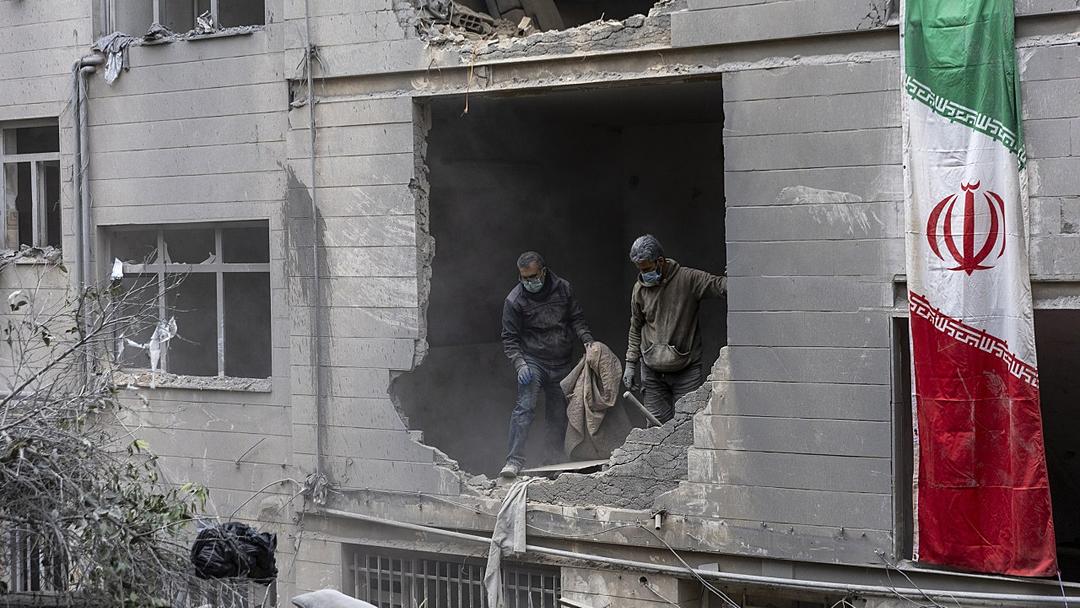
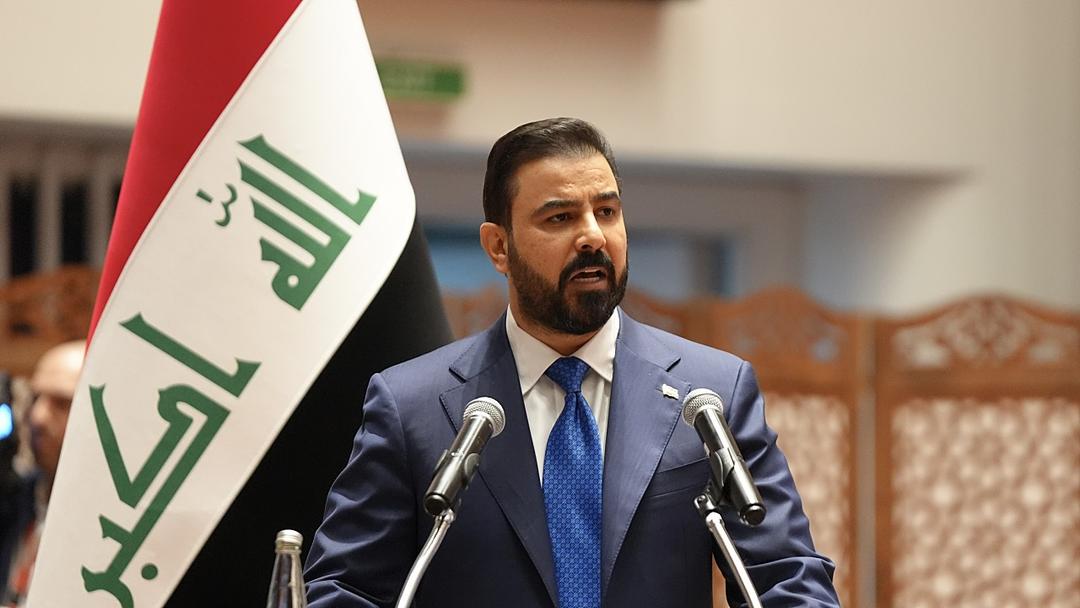
- Iraq's government announced Thursday that all pro-Iran armed groups must disarm by Sept. 30, a deadline that coincides with the scheduled withdrawal of the U.S.-led anti-Islamic State coalition. Government spokesman Haidar al-Aboudi said all groups had been formally notified.
- The disarmament deadline was announced ahead of Prime Minister Ali al-Zaidi's planned visit to Washington, amid U.S. pressure on Baghdad to rein in Iran-aligned factions. Al-Zaidi told European ambassadors that confining arms to the state "is not merely a slogan, but a policy already being implemented."
- Some factions, including Asaib Ahl al-Haq and Kataib al-Imam Ali, have recently signaled willingness to hand over their weapons and fighters to the Iraqi state. Others, including Kataib Hezbollah and Harakat Hezbollah al-Nujaba, have refused to do so.


Sources Split
LEFT
CENTER
RIGHT

+1

+1
+1
+1
+1
ESTAB
CRIT
CENTER
PRO
ESTAB
The Spin
Pro-government narrative
Baghdad is backing its disarmament ultimatum with real consequences: any weapons outside state control after Sept. 30 will face legal action, while anti-corruption raids have already netted dozens of officials ahead of the prime minister's U.S. visit. Some of the most powerful Iran-aligned factions have also pledged to hand over weapons and integrate into state institutions, marking an early test of Baghdad's authority.

Government-critical narrative
Iraq's disarmament deadline is almost certainly a political performance, not a genuine shift in power. Militia commanders who trade uniforms for government titles while still answering to Tehran have not disarmed — they have simply rebranded. Headquarters remain open, flags stay up, patronage networks keep operating, and the armed structures shaping Iraq's security landscape continue to hum along. Washington should demand verifiable action.


Establishment-critical narrative
Iraq's disarmament deadline looks less like a sovereign security decision than another concession extracted under U.S. pressure ahead of the prime minister's Washington trip. Demanding that forces which helped defeat IS disarm while foreign troops remain on Iraqi soil risks weakening Iraq's deterrence. As long as Washington shapes Baghdad's security agenda, Iraq's monopoly on force remains constrained rather than restored.