US Awaits Iran's Response to Peace Proposal



The Facts
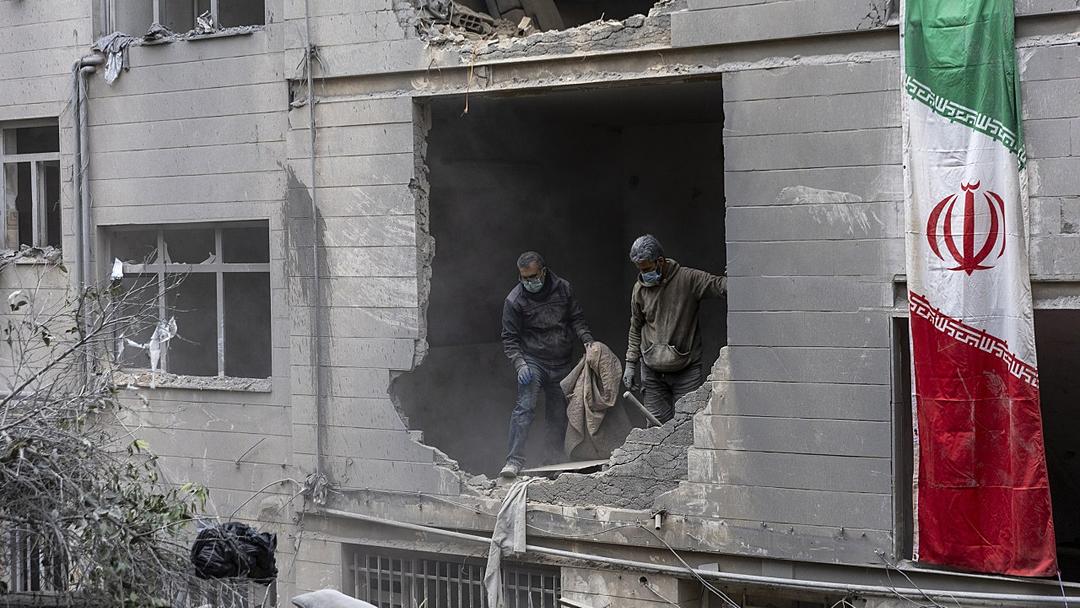
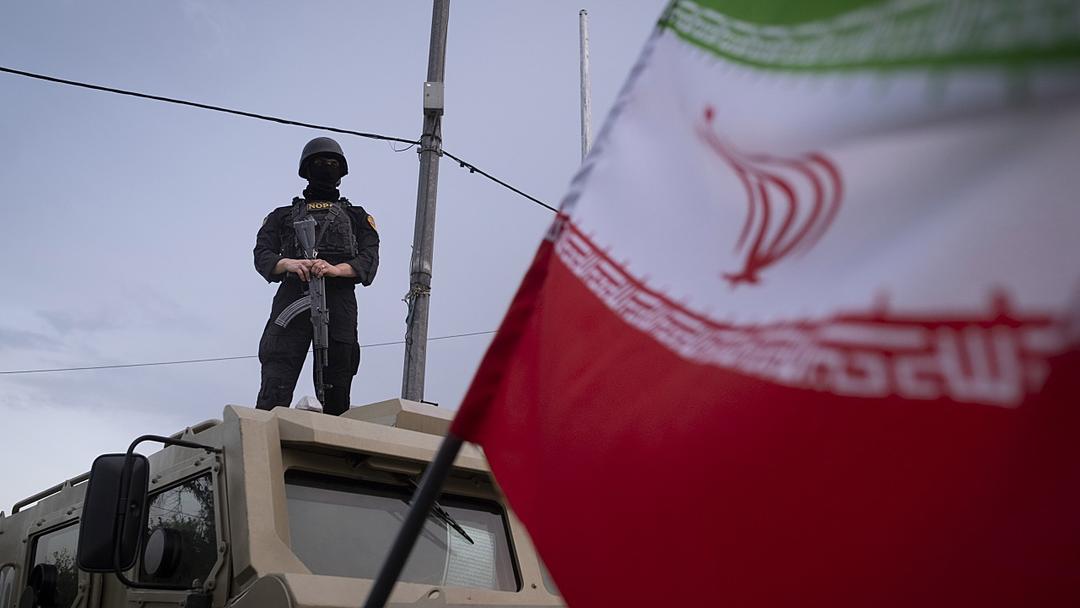
- Iran said on Thursday that it was reviewing the latest U.S. proposal to end the war, as President Donald Trump threatened renewed bombing if a deal is not reached. A confidential CIA analysis concluded Iran can withstand the U.S. naval blockade for at least three to four months before facing severe economic hardship, according to the Washington Post.
- The White House reportedly believes it's near a one-page memorandum with Iran to end the war, with provisions including a moratorium on uranium enrichment, lifting of U.S. sanctions, distribution of frozen Iranian funds and reopening the Strait of Hormuz, though many terms would be contingent on a final agreement.
- China's foreign minister called for a comprehensive ceasefire after meeting Iranian Foreign Minister Abbas Araghchi in Beijing. Araghchi said on Thursday that the situation in the Strait of Hormuz will return to normal if the war ends, the blockade of Iranian ports is lifted and sanctions are removed.


Sources Split
LEFT
CENTER
RIGHT
+1
+3


+1


ESTAB
CRIT
CENTER
PRO
ESTAB
The Spin
Pro-Iran narrative
The U.S. military presence in the Persian Gulf has been exposed as a hollow threat. American bases couldn't even protect themselves from Iranian missile and drone strikes. The Strait of Hormuz will operate under new management rules, as the future of the region belongs to its nations — not to foreign powers thousands of miles away.
Pro-Trump narrative
Iran is in no position to dictate terms — the U.S. controls the Strait of Hormuz, the Iranian economy is rationing food and gasoline and internal divisions are so severe that a deal may never happen. President Trump has made clear the blockade holds until pre-Feb. 27 freedom of navigation is restored. Tehran's tough talk is the sound of a regime running out of options.

Anti-Trump narrative
After weeks of withholding information from Congress about the state of Trump's disastrous war, Republicans' effort to shift responsibility reveals a sense that legal justifications were being improvised to mask a faltering strategy. While the Trump administration hit its self-imposed deadline and scrambled for cover, a stark conclusion has emerged — the primary barrier to achieving peace lies in the actions of both the Secretary of Defense and the U.S. president.