Ghent University Suspends Researcher Amid Arday Row
The Facts
- Ghent University in Belgium suspended postdoctoral researcher Nathan Cofnas on Thursday as a precautionary measure pending a preliminary disciplinary investigation into his conduct and public statements related to the late Cambridge professor Jason Arday.
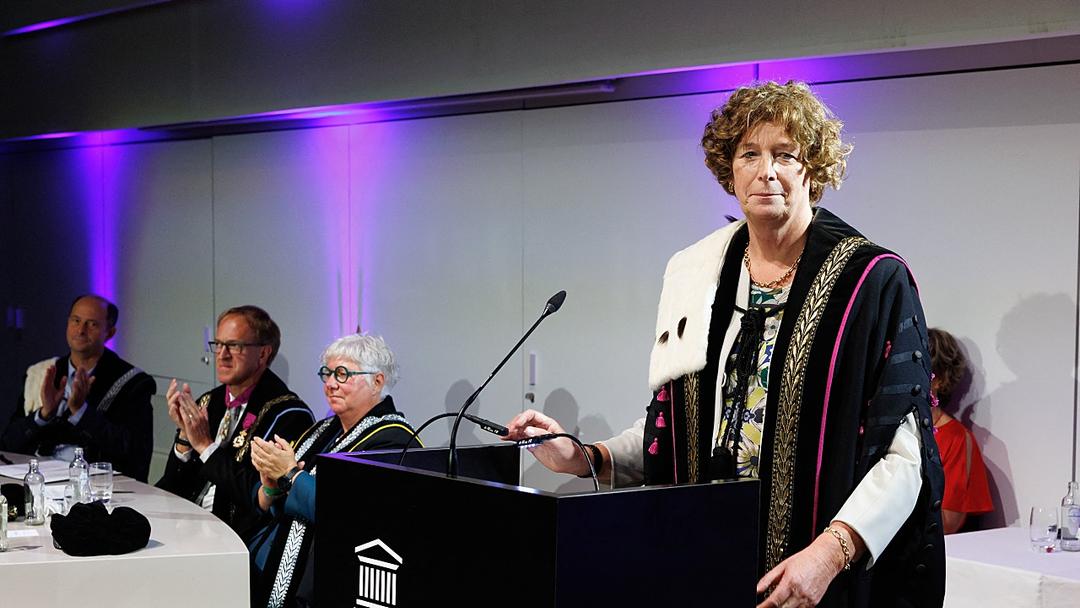
- Cofnas, who works in Ghent University's department of philosophy and moral sciences, announced the suspension on X, writing that the decision was made by rector Petra De Sutter, a former leader of the Green Party.
- Ghent University said it was assessing whether sufficient grounds exist to refer the case to a competent disciplinary body, adding it couldn't comment further on specifics in order to safeguard the confidentiality of the personnel file.


Sources Split
LEFT
CENTER
RIGHT

+1
+1
+2
+1
ESTAB
CRIT
CENTER
PRO
ESTAB
The Spin
Left narrative
Ghent University acted responsibly by launching a disciplinary investigation and suspending a researcher whose public statements crossed the line from academic freedom into conduct warranting review. Jason Arday's death should force a reckoning with how online pile-ons — often gleeful, racially targeted — weaponize misconduct allegations beyond any legitimate academic purpose. The disproportionate media frenzy surrounding Arday, compared to White academics facing similar accusations, exposes a pattern institutions can no longer ignore.
Right narrative
Suspending Nathan Cofnas for exposing documented plagiarism is a betrayal of academic freedom — punishing the messenger while ignoring the message. Cofnas pointed out Arday's obvious plagiarism, yet Ghent University moved swiftly against him while doing nothing when he was physically attacked on campus by an identified student. This is ideologically driven retaliation feigning as institutional procedure, and it sets a chilling precedent for any researcher willing to challenge orthodoxy.


Establishment-critical narrative
Despite what one may think of Cofnas, he produced actual evidence that raised legitimate questions about Arday's work. Yet the academic establishment is turning on the person who exposed them, all while Ghent's rector Petra De Sutter — who recently apologized over fabricated AI-generated quotes in a university speech — presides over the fallout. Academia is simply eating itself at this point instead of confronting the failures that got it here.