NOAA: El Niño Has 82% Chance of Emerging by Mid-2026
The Spin
Climate-skeptic narrative
A super El Niño in 2026 is far from guaranteed — the ocean-atmosphere feedback loop hasn't locked in, and wind patterns as of mid-May weren't cooperating. History shows that 2014 and 2017 had similarly alarming early signals that fizzled out. Preparing for risk makes sense, but treating worst-case model projections as certainty is a mistake the science itself warns against.
Climate-concerned narrative
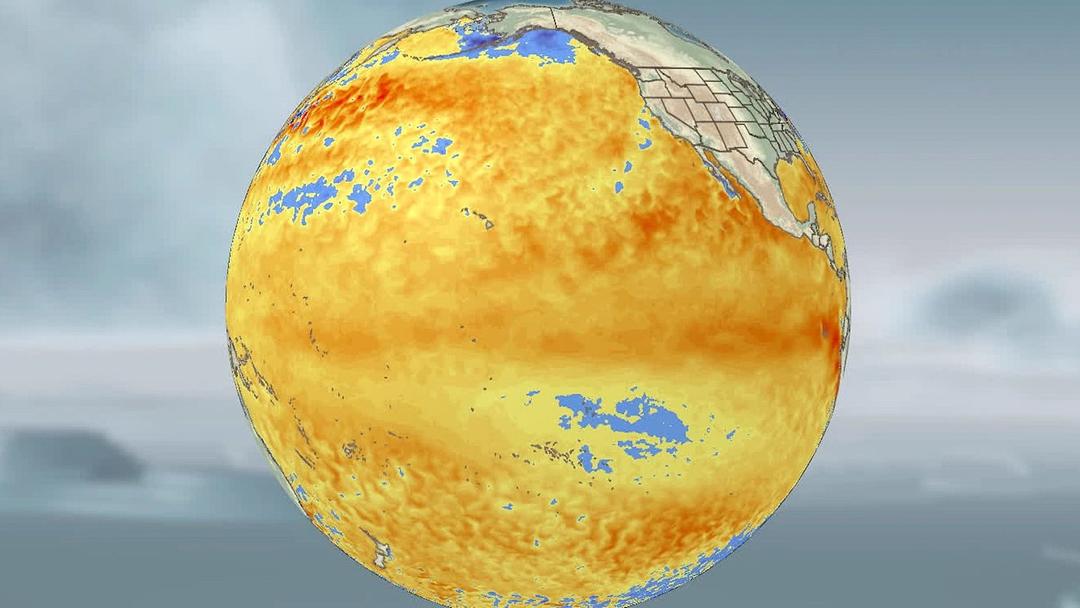
The subsurface heat building in the equatorial Pacific is extraordinary, and NOAA puts a 96% chance of El Niño persisting through winter 2026-27. A marine heat wave compounding that warming could push ocean temperatures a staggering 3°C above average — driving floods, droughts and record global temperatures. The conditions are stacking up in ways that demand urgent attention.
Optimist narrative
El Niño remains a powerful climate force, yet human innovation continues to reduce its risks through advanced forecasting, climate-resilient agriculture, stronger infrastructure and smarter disaster planning. Scientists and communities are adapting faster than ever before, proving that while El Niño is real, its impacts can be managed through technology, cooperation and steady human progress toward resilience and sustainability.
Metaculus Prediction
The Controversies
Go Deeper
© 2026 Improve the News Foundation.
All rights reserved.
Version 7.6.0