Study: Cocaine in Water Makes Salmon Swim Further
The Facts
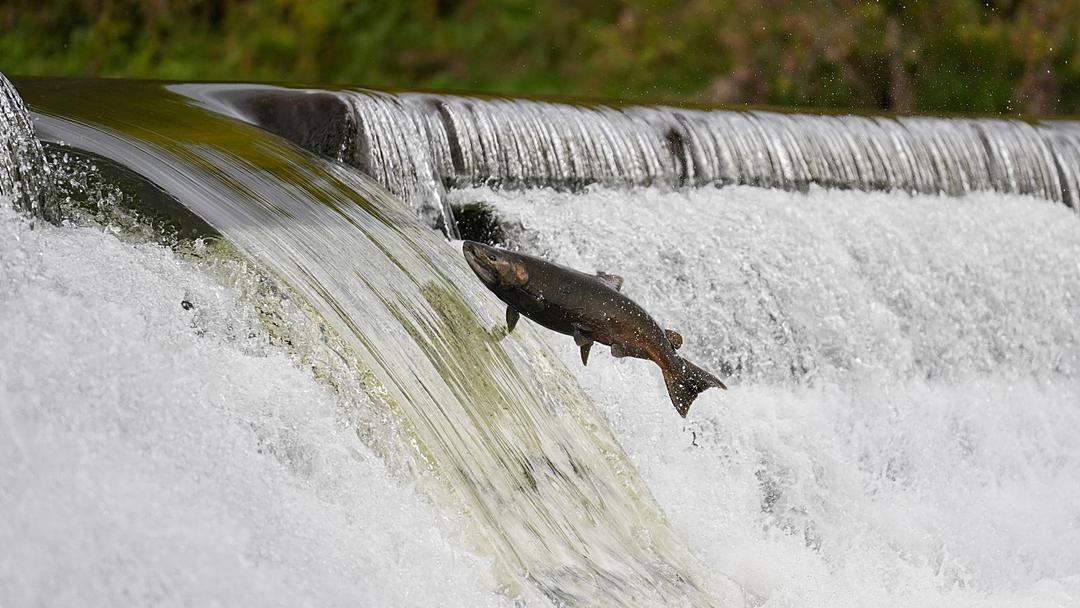
- A study published in Current Biology on Monday tracked 105 juvenile Atlantic salmon over eight weeks in Lake Vättern, Sweden, to examine how cocaine and its main metabolite, benzoylecgonine, affect fish movement in the wild, finding that exposure altered movement and space use in the lake.
- Researchers used slow-release chemical implants to expose fish to either cocaine or benzoylecgonine, then monitored their movements via acoustic telemetry — the first such experiment conducted outside a laboratory setting.
- Fish exposed to benzoylecgonine swam up to 1.9 times farther per week than unexposed fish and dispersed up to 12.3 km (7.6 miles) farther from their release site over the course of the study.


Sources Split
LEFT
CENTER
RIGHT
+1
+2

ESTAB
CRIT
CENTER
PRO
ESTAB
The Spin
Narrative A
Cocaine flushed into waterways is actively disrupting Atlantic salmon behavior in the wild, not just in labs. Fish exposed to benzoylecgonine swam nearly twice as far per week and dispersed over 12 km farther than unexposed fish — a dramatic shift in how these animals use their habitat. Wildlife is already absorbing human drug waste daily, and the ecological consequences for vulnerable species like Atlantic salmon could be severe.
Narrative B
Cocaine pollution is reshaping salmon movement in ways science is only beginning to grasp, and the long-term consequences for survival and reproduction remain completely unknown. Hatchery-raised fish behave differently than wild ones, so the full scope of this threat in natural populations still needs serious study. Society's chemical footprint in waterways demands urgent, careful management before irreversible damage is done to aquatic ecosystems.
Metaculus Prediction
Go Deeper


© 2026 Improve the News Foundation.
All rights reserved.
Version 7.17.1