Christine Lagarde To Step Down as ECB Chief 9 Months Early
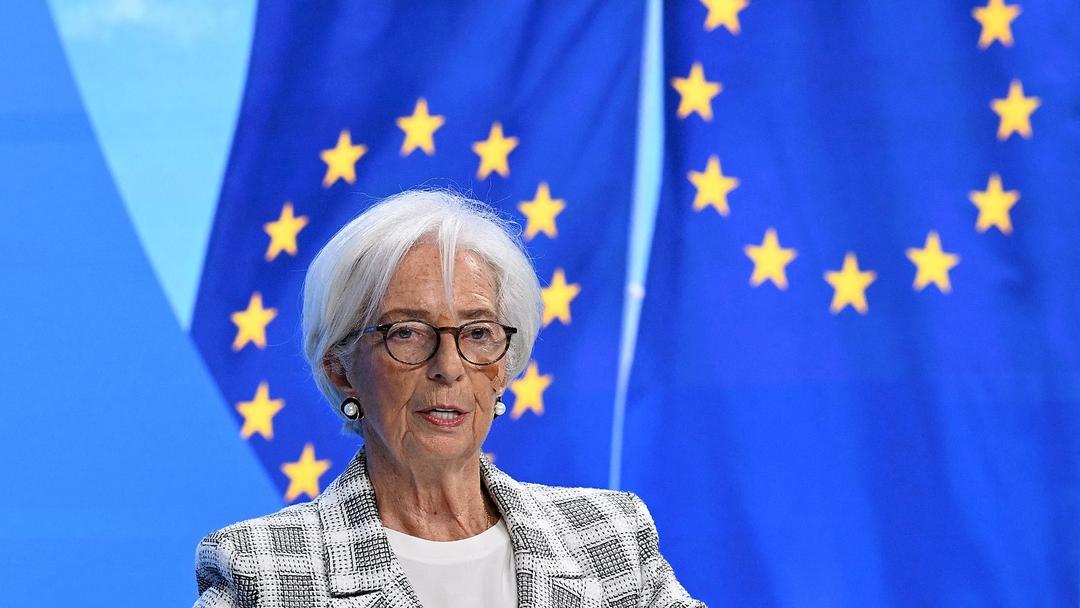


The Facts
- European Central Bank President Christine Lagarde announced Thursday that she will step down on Feb. 7, nine months before her eight-year term, which was due to end on Oct. 31, 2027.
- In a video message posted on X, where she appeared with plasters on her face, Lagarde said she is leaving the institution "with a sense of good work done, and an ECB that is fit for the future." Her exit allows current EU leaders to name a successor before France's presidential election.
- An official told Politico that Lagarde moved early to gain "greater freedom to express her views and to engage in non-monetary matters, because she cannot remain neutral when she sees the developments taking place in her own country and in the world." In July, she told Les Echos she would not run for France's president.


Sources Split
LEFT
CENTER
RIGHT
+1
+2
+2
+1

+1

+1

ESTAB
CRIT
CENTER
PRO
ESTAB
The Spin
Establishment-critical narrative
An early exit timed to land before a pivotal election is political engineering. The choreography — warm tributes, a rushed successor hunt and a tidy handover — makes sure voters never get a say in who controls Europe's money. Institutions that stage-manage their own departures have stopped being independent and have become loyalty clubs.

Pro-establishment narrative
Steering a currency bloc through back-to-back crises takes nerve, and Lagarde's steady hand kept the euro area intact. Serious institutions avoid chaos by flagging a departure well in advance, leaving room for the treaty process to run properly. What counts now is a successor with the spine to defend price stability when politics screams otherwise.

Cynical narrative
Lagarde's controversial career reflects persistent questions about elite accountability. As France's then-finance minister, she was convicted of negligence in 2016 over a €404 million payout to Bernard Tapie, but she avoided any prison sentence. At the ECB, her decisions caused market instability, prolonged inflation and eroded trust, yet she stayed due to political favoritism. Her early departure after wrecking the eurozone is another example of the powerful evading accountability while ordinary citizens pay the price.
