Carney Plans to Double Canada's Power Grid by 2050


The Facts
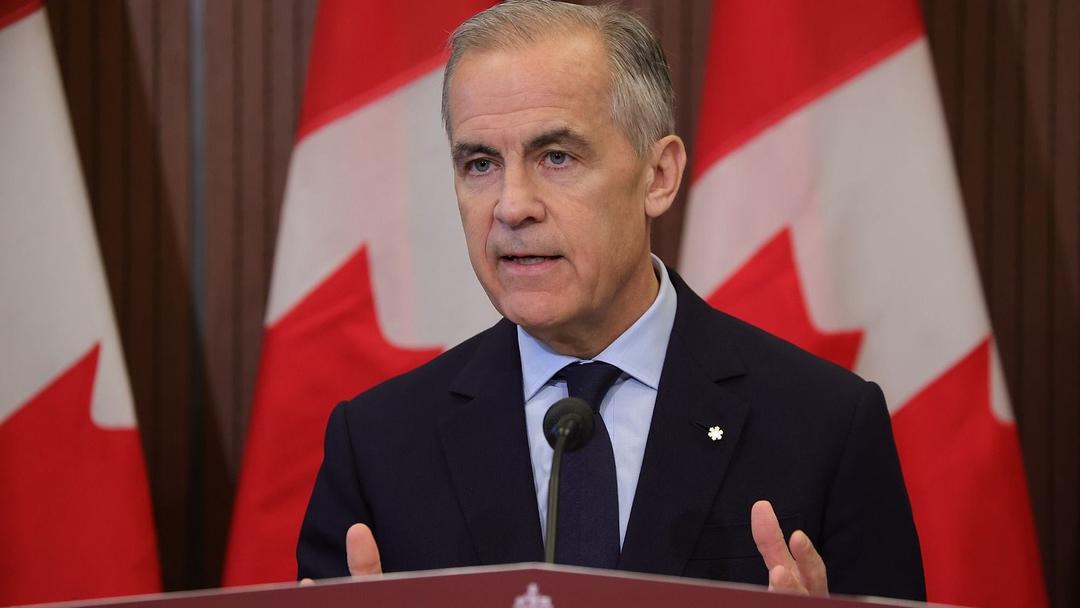
- Canadian Prime Minister Mark Carney announced a National Electricity Strategy on Thursday, launching consultations with provinces, territories, Indigenous Peoples, utilities and unions to double the capacity of Canada's electricity grid by 2050.
- The strategy is guided by four pillars: building generation and transmission infrastructure, connecting Canada's fragmented provincial grids via expanded transmission lines, training more than 130,000 skilled workers, and growing domestic manufacturing of grid components.
- The government intends to adjust the Clean Electricity Regulations, finalized under former Prime Minister Justin Trudeau in 2024, to allow greater flexibility in offsetting residual emissions, a move expected to alter the electricity sector's emissions trajectory.


Sources Split
LEFT
CENTER
RIGHT


ESTAB
CRIT
CENTER
PRO
ESTAB
The Spin
Left narrative
Doubling Canada's grid by 2050 is a smart, necessary move that secures energy independence and keeps costs down for millions of households. Canada already runs on 80% clean power and has the lowest residential electricity rates in the G7 — this strategy builds on real strength, not wishful thinking. Connecting fragmented provincial grids alone could save billions in wasted power and outages while creating 130,000 skilled jobs.
Right narrative
Carney's grid-doubling plan is a net-zero vanity project that hikes industrial carbon pricing to $130 per ton by 2040, crushing farmers, families and businesses already stretched thin. Betting Canada's energy future on unreliable wind and solar while driving up costs and deterring oil and gas investment puts Western Canada's economy at serious risk. The real question is whether emissions targets can coexist with keeping Canadian industries globally competitive — and right now, the answer looks shaky.
Establishment-critical narrative
The real driver behind sudden initiatives like this, as seen across the West right now, is the exploding energy demand of massive, corporate AI data centers. Liberal leaders like Carney talk about cutting emissions at home while openly pitching more Canadian natural gas to power America's AI race and massive server farms that consume enormous amounts of electricity and water. Whether on the left or right, families, industries and their natural resources are being squeezed at the behest of elite tech interests.