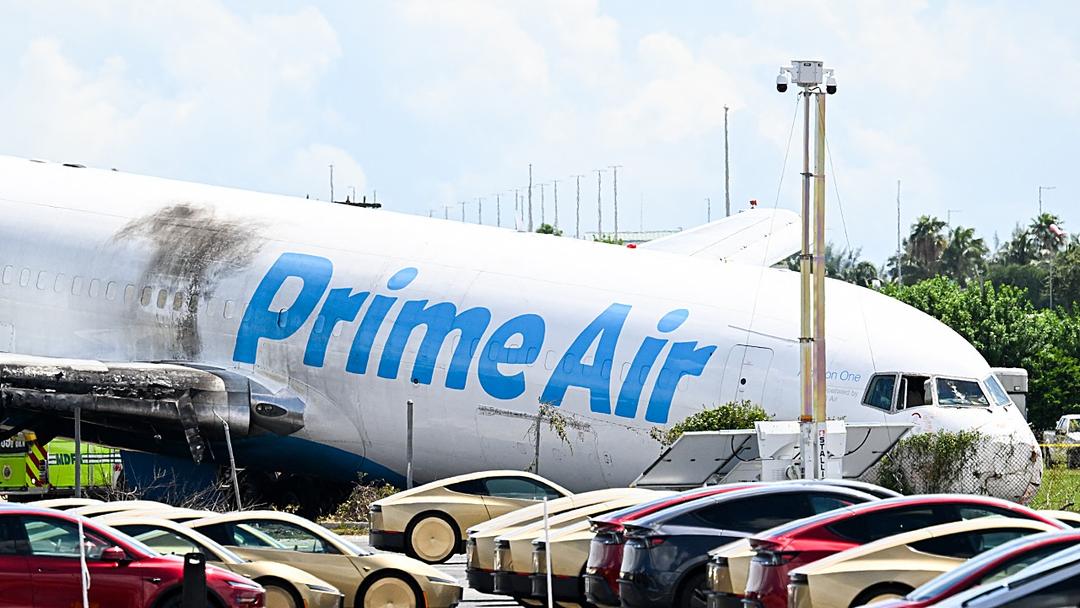
Black Boxes Recovered in Deadly Miami Cargo Jet Crash
The Spin
Narrative A
Miami International already meets every federal safety standard, with the full 1,000-foot runway safety area the FAA demands. Arresting beds exist precisely for airports too cramped to provide that buffer, and no U.S. airport stacks both — so pointing at a missing system is a distraction. Annual FAA inspections have confirmed compliance year after year, and the real answers will come from the investigation.
Narrative B
Checking a regulatory box is a low bar when crushable arresting beds are credited with saving at least 497 lives at more than 120 airports across the country. A 1,000-foot buffer did nothing to keep a 767 from tearing through a fence, crossing a public road and killing five people in a parking lot. With $9 billion pouring into airport infrastructure, funding EMAS on every Miami runway should be automatic.
© 2026 Improve the News Foundation.
All rights reserved.
Version 7.13.0