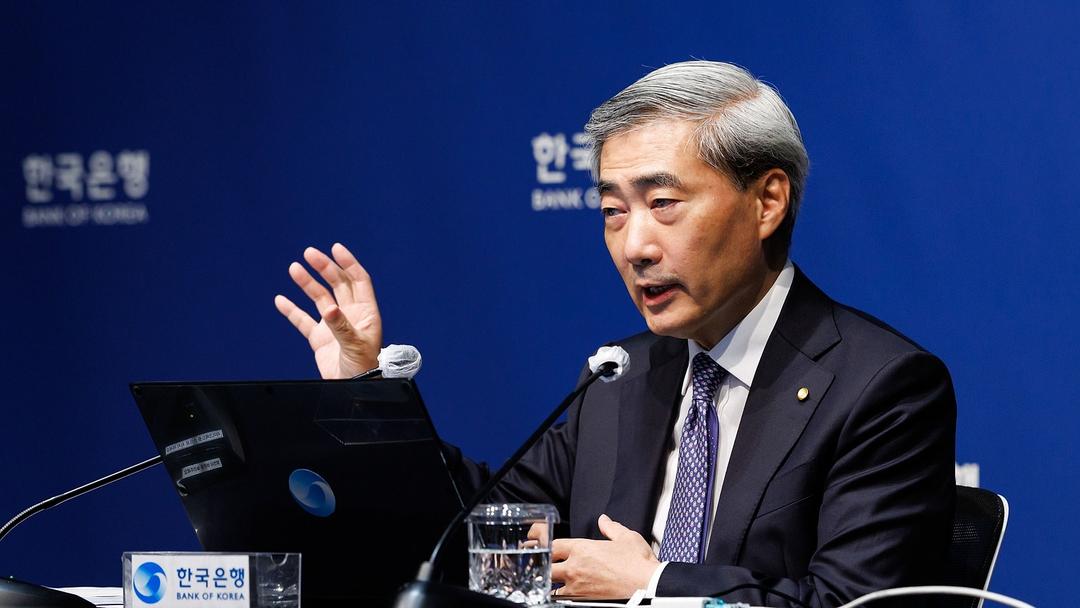
Bank of Korea Eyes Rate Hike Amid Rising Inflation
The Spin
Pro-establishment narrative
With inflation in South Korea back in the 3% range, household debt surging and housing prices continuing to rise, the need to raise interest rates has never been clearer. Allowing inflation to run unchecked hits lower-income households hardest, so acting decisively now on price stability and bank rates is the most direct way to protect them from further economic difficulty.
Establishment-critical narrative
Raising interest rates to fight supply-shock inflation is the wrong tool for the job. It won't produce more oil or fix broken supply chains, but it will stall investment and push households toward recession. The real inflationary pressure comes from wealth concentration, which raises asset prices, rents and speculative activity, necessitating taxes to remedy these structural imbalances.
Metaculus Prediction
© 2026 Improve the News Foundation.
All rights reserved.
Version 7.6.4