Antarctic Sea Ice Hits Third-Lowest Winter Peak
The Spin
Climate-concerned narrative
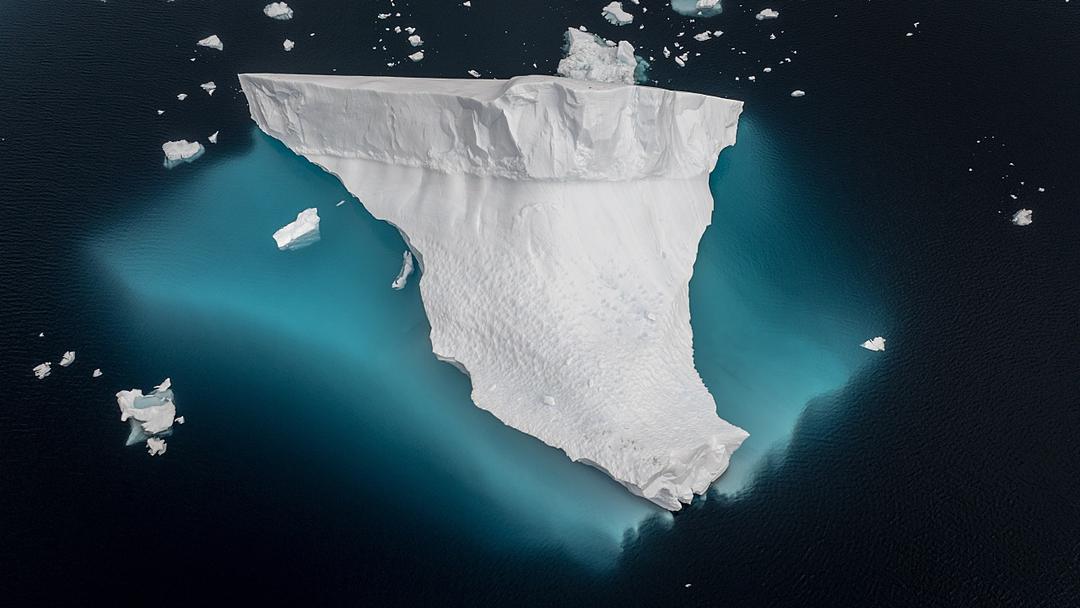
Four straight years of the lowest Antarctic winter ice on record is a pattern, not a fluke, and the ocean warming behind it is already here. Less ice means a darker Southern Ocean soaking up more heat, weakened ice shelves and the glaciers they hold back sliding faster toward the sea. Krill, algae and emperor penguins lose the platform their whole food web depends on. The climate problem is here now.
Climate-skeptic narrative
Zoom out from some bad winters and the Antarctic picture looks far less apocalyptic. Sea ice slowly increased from 1979 to 2014, natural variation drove the swings and even the NSIDC has noted that extreme highs and lows are not unusual. One recent dip cannot erase decades of variability or turn every fluctuation into proof of climate catastrophe.
Establishment-critical narrative
Even if climate change poses real risks to things such as Antarctic sea ice, pouring trillions into policies that barely move the temperature needle for a century carries a huge opportunity cost. That same money could do far more for nutrition, health, education and poverty, transforming millions of lives. Climate policy should be judged by what it delivers, and what humanity sacrifices to fund it.