One Battle After Another


The Facts
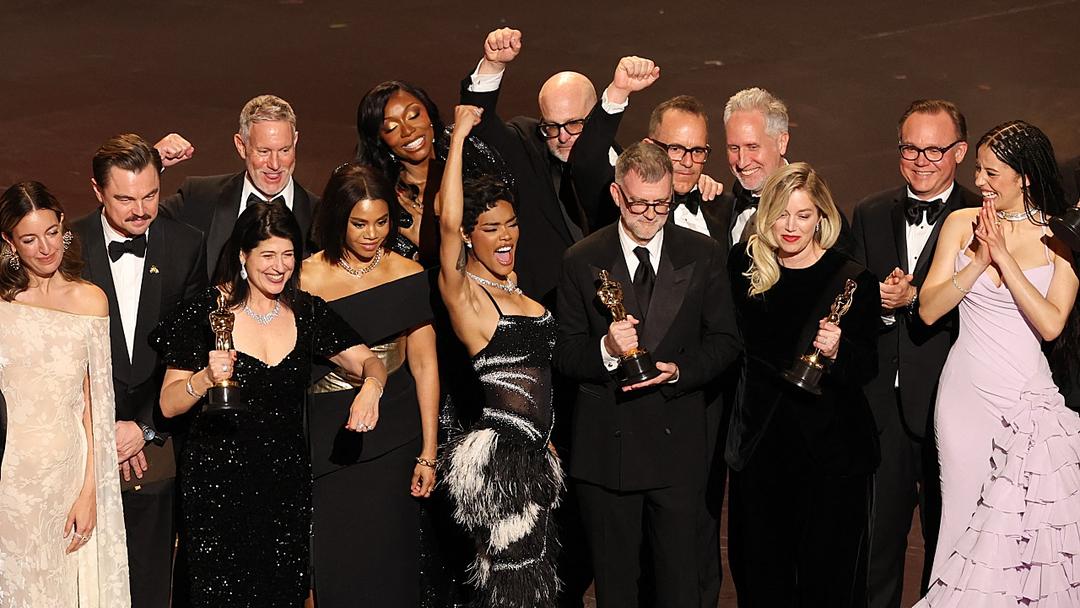
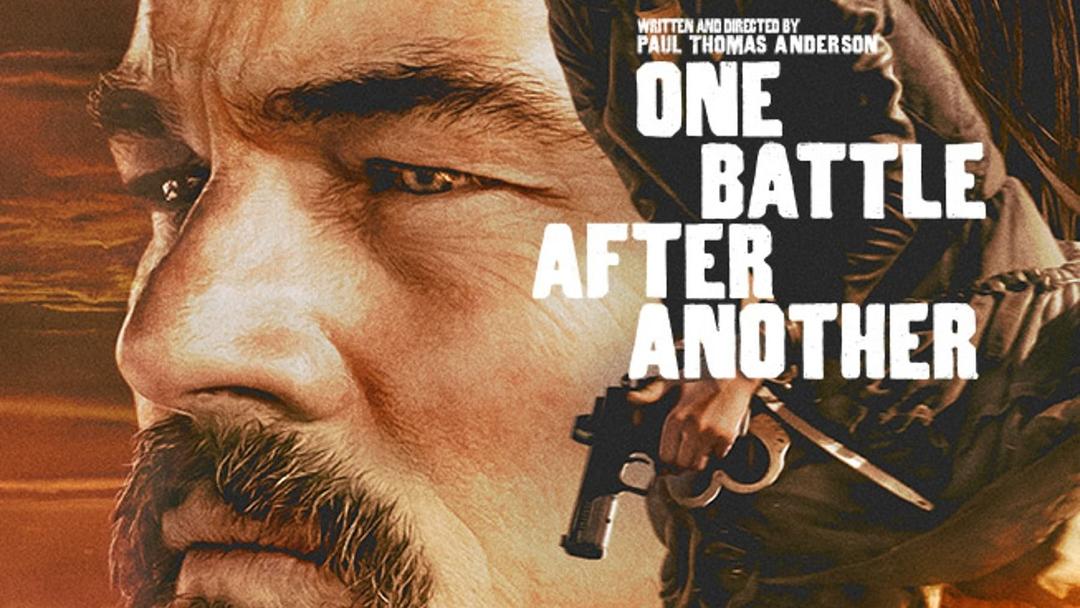
- Movie Overview: "One Battle After Another" is a 2025 American black comedy action-thriller written, directed and produced by Paul Thomas Anderson, released theatrically on Sept. 26, 2025. Starring Leonardo DiCaprio, Sean Penn, Benicio Del Toro, Teyana Taylor and Chase Infiniti, the film follows ex-revolutionary Bob, portrayed by DiCaprio, who is living off-grid with his daughter Willa when a corrupt military officer reemerges and Willa goes missing. Forced back into action to save her, Bob confronts the lingering consequences of his past, setting off a cascading sequence of conflicts, standoffs and moral reckonings that unfold one after another.
- Context: Anderson developed the concept for the film over approximately two decades, drawing loose inspiration from Thomas Pynchon's 1990 novel "Vineland" — a satirical work about the aftermath of 1960s counterculture in 1980s California. Instead of closely adapting the book’s sprawling structure, Anderson contemporized the setting and blended original material with thematic nods to Pynchon’s exploration of rebellion, authority and cultural change.
- Creative Intent: In a BBC interview conducted around the film’s 2025 release, DiCaprio said the film "holds a mirror up to society," addressing divisiveness and polarity in modern culture "without making it feel like medicine." DiCaprio also emphasized that Anderson’s ending for the film reflects how the next generation will have to confront and contend with the unresolved conflicts and inherited trauma left behind by their elders.


Sources Split
LEFT
CENTER
RIGHT
+4

+2
+4

+7

+1
+2

ESTAB
CRIT
CENTER
PRO
ESTAB
The Spin
Right narrative
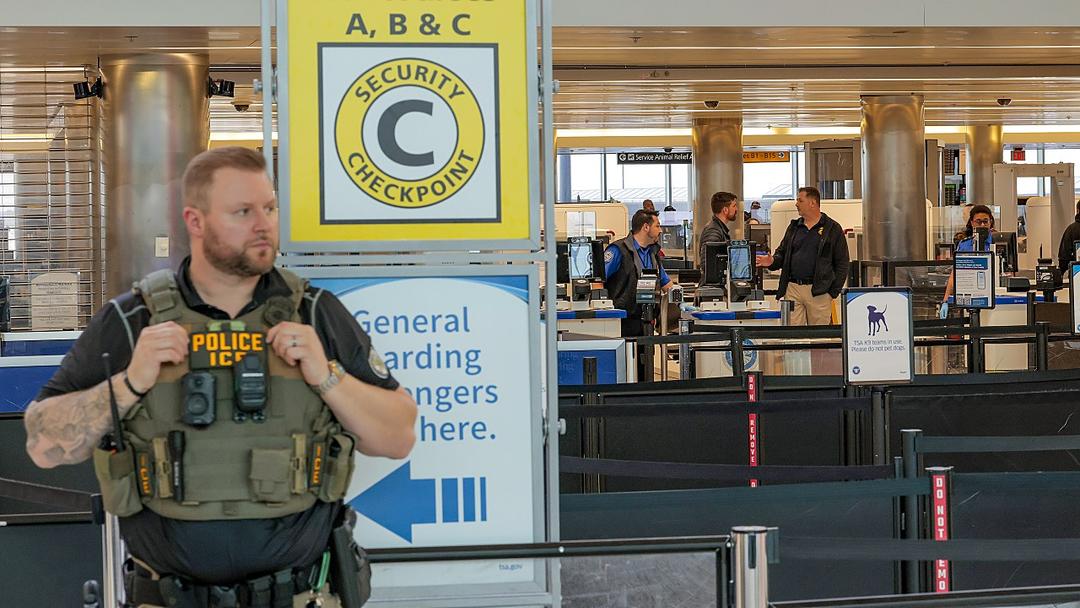
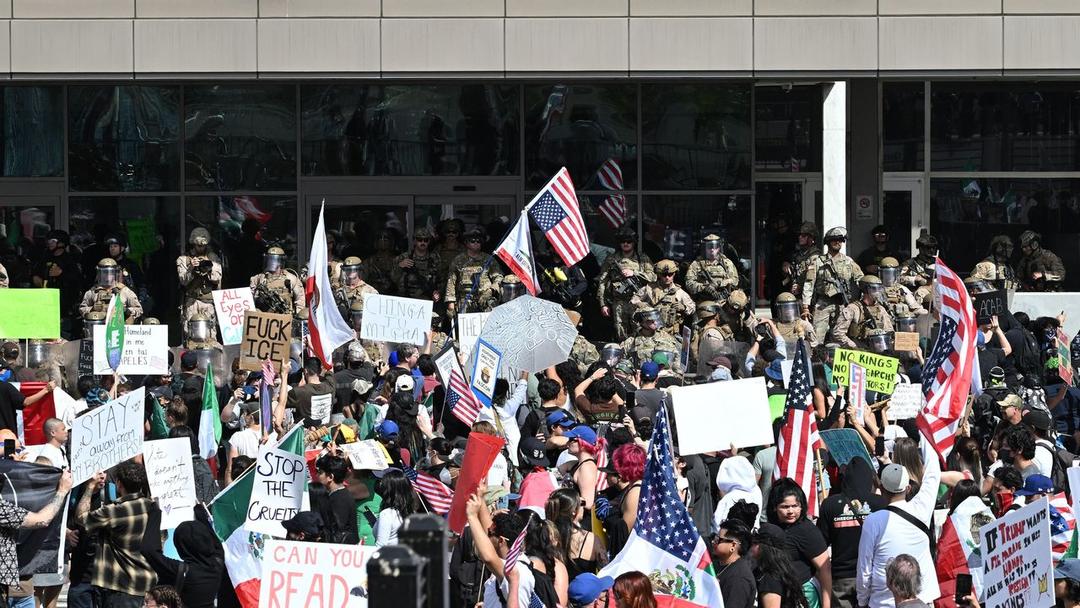
"One Battle After Another" is a reckless, irresponsible film that romanticizes left-wing terrorism and demonizes law enforcement. Anderson's adaptation glorifies Antifa-style violence, depicting revolutionaries who bomb buildings and attack ICE facilities as heroes while painting all government officials as racist monsters. The film's release, so soon after Charlie Kirk's assassination, made its celebration of political violence especially reprehensible. It's pure left-wing agitprop masquerading as art, complete with absurd white supremacist caricatures and a morally bankrupt ending that encourages the next generation toward revolutionary terrorism.

Left narrative
PTA delivers a timely masterpiece in "One Battle After Another," holding a mirror to America’s fascist drift without even naming MAGA. The film vividly depicts ICE's cruelty and the white-supremacist violence under Trump while celebrating underground networks that protect vulnerable immigrants. DiCaprio and Taylor shine as committed revolutionaries, their moral complexity anchoring the chaos. Anderson’s technical mastery heightens the stakes, turning high-octane action into a meditation on resistance, intergenerational trauma and the courage required to safeguard the vulnerable, ultimately offering both righteous anger and hope for collective resistance.


Narrative C
“One Battle After Another” turns a serious national issue — rising right-wing authoritarianism and systemic attacks on immigrants led by people like Stephen Miller — into a spectacle, exaggerating left-wing vigilantes for comic effect. The French 75’s over-the-top raids and stunts trivialize oppression, while cartoonish villains and chaotic pacing undercut the film’s political stakes. By making resistance a thrilling caper rather than a matter of survival or solidarity, Anderson’s satire lacks enough bite to meaningfully confront contemporary fascism, leaving the audience entertained but distanced from the real consequences of hate-driven policy.

Establishment-critical narrative
“One Battle After Another” lays bare Hollywood’s entrenched ideological monoculture. The film itself is competently made, but the rapturous critical response reveals far more than the movie does. Critics and awards bodies celebrate it not for surprise or insight, but because it flatters their worldview — one where America is a fascist police state and dissenting voters are moral villains. Whether the film works ultimately depends on politics: if you share the industry’s assumptions, it feels profound. If not, it plays as polished, predictable propaganda dressed up as prestige cinema.