6 Nations Back Panama Amid China Port Tensions
The Facts
- Six nations — the United States, Bolivia, Costa Rica, Guyana, Paraguay and Trinidad and Tobago — issued a joint statement on Tuesday backing Panama's sovereignty amid rising tensions over alleged Chinese actions affecting Panama-flagged vessels and maritime trade.
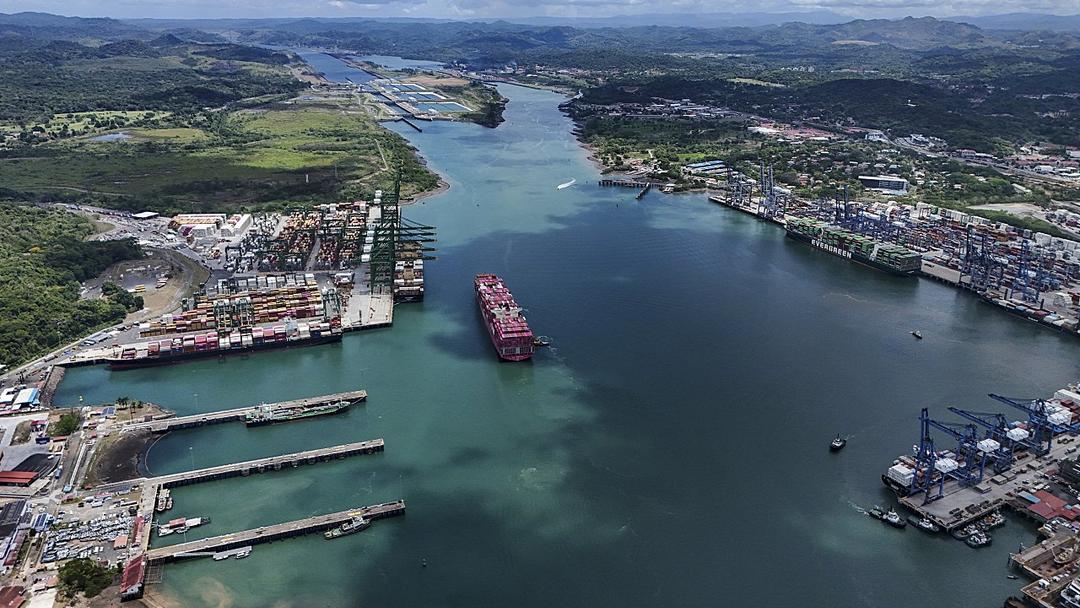
- Panama's Supreme Court invalidated in late January the 1997 concession granting Hong Kong-based CK Hutchison's Panama Ports Company rights to operate the Balboa and Cristóbal terminals, which sit on the Pacific and Atlantic sides of the Panama Canal.
- According to the U.S. Federal Maritime Commission, China detained nearly 70 Panama-flagged vessels in March, a figure described as "far exceeding historical norms," in what the joint statement called "targeted economic pressure" following the court ruling.


Sources Split
LEFT
CENTER
RIGHT
+3

+2

+1
+1
+2
ESTAB
CRIT
CENTER
PRO
ESTAB
The Spin
Pro-establishment narrative
Six nations standing together against China's economic bullying of Panama sends a clear message: hemispheric sovereignty isn't up for negotiation. China's pressure on Panama-flagged vessels after the Balboa and Cristóbal terminals ruling is a naked attempt to weaponize maritime trade. Even Bolivia — long cozy with Beijing — signed on, proving Washington's coalition-building is gaining real traction.


Establishment-critical narrative
The U.S. is manufacturing a crisis around the Panama Canal to justify pushing China out of legitimate trade partnerships built over decades. Beijing's Belt and Road cooperation with Panama has delivered real economic progress, and Hong Kong port operators follow local law — full accountability, no political strings. Washington's so-called sovereignty coalition is just geopolitical pressure dressed up in diplomatic language.


Cynical narrative
The Panama Canal dispute reflects a broader shift where shipping is being absorbed into geopolitical strategy. Trade policy, port access and chokepoints are increasingly used as levers of power, with disruptions no longer market-driven but politically engineered. As tensions escalate across routes from Panama to the Gulf, cargo flows are being reshaped by state interests, turning global logistics into an extension of strategic competition rather than neutral commerce.