MIT Study: AI Could Replace 11.7% of US Workers
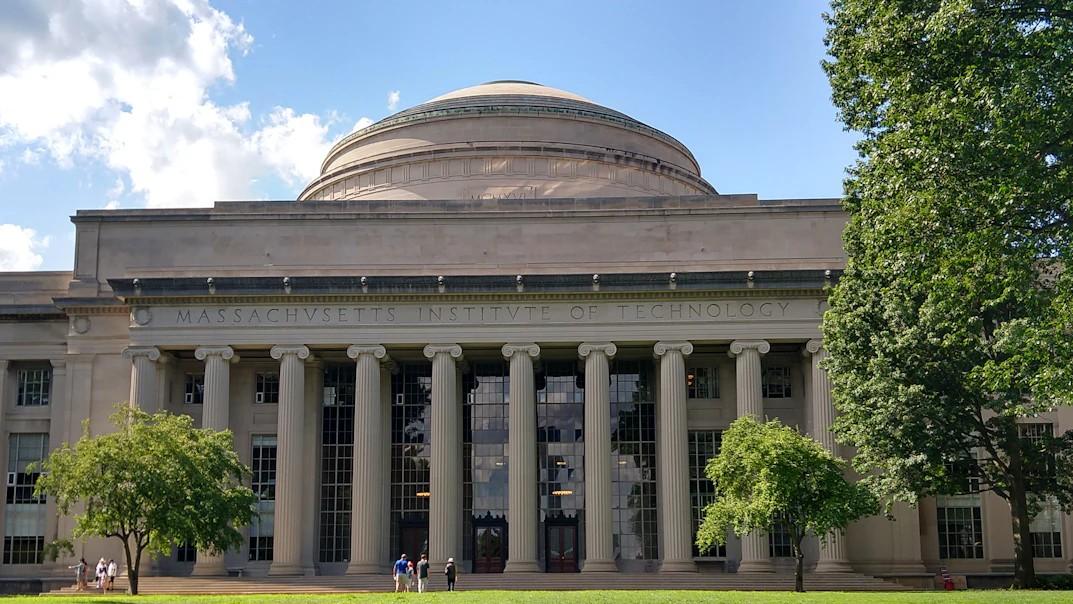
The Facts
- According to a recent Massachusetts Institute of Technology study, artificial intelligence could replace 11.7% of the current U.S. workforce, equivalent to $1.2 trillion in wages across the finance, health care, and professional services sectors.
- For the study, researchers developed the Iceberg Index labor simulation tool with Oak Ridge National Laboratory to analyze how 151 million U.S. workers interact with AI capabilities across more than 32,000 skills and 923 occupations.
- The study found that visible AI adoption in computing and technology accounts for 2.2% of wage exposure, or $211 billion, while broader automation in administrative and professional services accounts for the full $1.2 trillion.


Sources Split
LEFT
CENTER
RIGHT
+1
+1
+2
+1
+2
+1
+1
ESTAB
CRIT
CENTER
PRO
ESTAB
The Spin
Techno-skeptic narrative
AI disruption is already here and far more extensive than anyone realizes. The MIT study reveals that 11.7% of American jobs are technically replaceable right now, and the greatest impact is on routine work in HR, logistics, and finance rather than just tech. This massive hidden exposure raises concerns as it spans every state and requires immediate action from leaders to prepare workforces before widespread displacement widens inequality and erodes job security.


Techno-optimist narrative
AI isn't taking jobs — it's creating unprecedented opportunities for those who adapt. People equipped with AI skills are replacing those who refuse to evolve — machines aren't replacing humans entirely. The future belongs to workers who master prompt engineering, automation tools and AI collaboration rather than those who fear technological progress. Rather than a threat, this is a historic opportunity to boost productivity, lower costs and create new, higher-skill career paths.


Metaculus Prediction
The Controversies
Go Deeper



© 2026 Improve the News Foundation.
All rights reserved.
Version 7.18.0