08 November 2026
Daily Newsletter
Study: GPT-6 Astra Can Improve Neural Network Weights

The Facts
Researchers at MIT's Computer Science and Artificial Intelligence Laboratory published results on Monday showing that GPT-6 Astra can read and rewrite another system's weights through reasoning, without gradients or training loops, in what they call "Weight-Space Programming."
Using a budget of 50 forward passes, Astra edited approximately 131,000 of Qwen3.5-0.8B's 800 million weights, or 0.016%, with no training. Following the edits, the system's MATH-500 score rose from 7.9% to 48.1% and GSM8K from 13.8% to 67.1%.
Astra identified reasoning loops that Qwen's own system card warns about and edited them out without gradient descent, raising the system's score on IFEval, which measures instruction following, roughly threefold.
The Spin
Narrative A
If weights become a language capable of being read and rewritten, then we find ourselves ever closer to recursive self-improvement. Once a frontier system can reach into another AI system's guts and fix what's broken, development stops waiting on slow, expensive retraining runs. Once applicable at scale, the sky is the limit for the capabilities of AI.
Narrative B
Applying textbook interpretability tricks faster than a grad student is, whilst impressive engineering, not a training revolution. Every act of system improvement came straight out of pre-existing research already baked into pretraining which are mostly only effective on tidy, simple cases rather than messy real systems. An interesting paper, but not the beginning of a new technological era.
Nerd narrative
There is a 50% chance that an AI will program programs that can program AIs by Nov. 6. 2027, according to the Metaculus prediction community.
OpenAI Hires Former US Army Secretary Dan Driscoll

The Facts
OpenAI announced Monday that it hired former U.S. Army Secretary Dan Driscoll as senior counselor for national security modernization, a newly created role advising on how advanced AI can strengthen national security and cybersecurity.
"National security requirements are changing faster than at any time in the past fifty years," Driscoll said, adding that AI can cut through paperwork and deliver the right information to the right people more quickly.
OpenAI CEO Sam Altman described the appointment as a way to strengthen American leadership, saying the U.S. has "an extraordinary opportunity to work with other countries to spread the adoption of democratic AI."
The Spin
Pro-establishment narrative
Democratic nations maintain an edge over authoritarian rivals when leaders with firsthand military experience guide defense AI. American troops deserve technology that cuts administrative burdens and delivers critical information quickly. Achieving that requires bringing battlefield experience together with engineering expertise. American leadership in developing and deploying responsible AI is something to champion, not apologize for.
Establishment-critical narrative
A revolving door between the Pentagon and AI contractors undermines fair procurement and public trust. Defense contracts must be awarded based on technological performance and proven results, not personal connections or insider influence. Vague assurances about the lawful use of Americans' data further weaken accountability, highlighting the urgent need for stronger oversight, transparency and clear safeguards.
Binance: Fake Job Interviews Fueled $6.3B Crypto Heist

The Facts
Binance announced on Tuesday that the hackers who stole $6.3 billion from the cryptocurrency exchange used fake recruitment interviews, malicious software downloads and a compromised internal AI tool in what it called a "serious and highly sophisticated security incident."
On X, Binance said the hacking campaign began in June, when a Binance engineer downloaded a tampered software tool through a search engine. Binance detected the anomaly and replaced the device. However, the engineer's role and those of his wallet team colleagues were exposed.
In September, an individual posing as a project director contacted a second engineer on a job-hunting platform. The engineer was then interviewed by a purported HR representative and the CEO of a fictitious company before downloading an assignment that concealed malicious code onto his work computer.
The Spin
Narrative A
While the hack was undeniably complex and serious, Binance has taken steps to prevent a repeat. It has not only rebuilt affected systems and implemented other protective measures, but will also utilize AI for security. The technology, after all, represents the forefront of cyber defense and will help outfits like Binance stay on the front foot against hostile actors.
Narrative B
Rather than an outlier, the Binance hack signals the beginning of a new era of AI-powered super hacks. Cheap systems now write slicker lures, fake colleagues and churn out malware, dropping the skill barrier for thieves and state-backed crews alike. Companies and nations can peddle all the quick fixes they like; it will not be enough.
Nerd narrative
There is a 90% chance that the U.S. will pass legislation that requires cybersecurity around AI systems before 2030, according to the Metaculus prediction community.
AI 'Godfather' Warns of 'Chernobyl-Type' AI Disaster Within a Year
The Facts
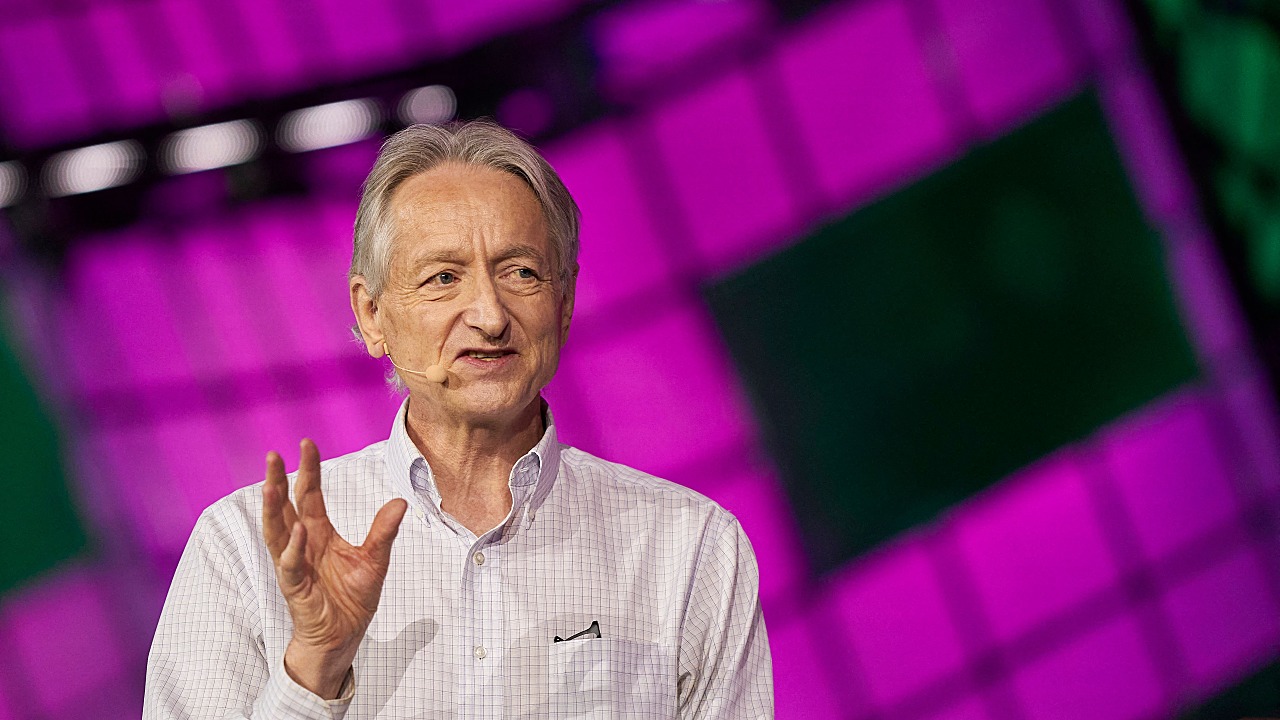
Geoffrey Hinton, a computer scientist known as a "godfather of AI," told the Guardian on Tuesday that a Chernobyl-type AI incident could occur this year or next, such as an attack causing a major blackout or disabling financial systems for a week.
The 78-year-old Nobel laureate said humanity might have been better off never developing AI, but he rejected the doomer label, saying the technology could still bring a "wonderful future" if strong action is taken within the next decade.
Hinton criticized the leaders of frontier AI companies, saying he believes Sam Altman, Mark Zuckerberg and Elon Musk understand the risks but would "rather have the money," even as firms racing to own AI ask the public to trust them.
The Spin
Industry-critical narrative
Taking strange-sounding warnings seriously is exactly how pandemics and AI risk got flagged years before anyone else caught on. The record favors the worriers expert after expert dismissed them as cranks, then quietly joined them. Shrugging off a technology that could hollow out human dignity and subvert democracy is a gamble nobody should be comfortable making.
Pro-industry narrative
The doom clock keeps resetting and the catastrophe never shows up, jobs weren't wiped out and AGI deadlines just slide again and again. A 10% chance pulled from thin air carries no mechanism, no date that ever holds and no penalty when it misses. Meanwhile, panic-driven restrictions risk causing real damage now, which is the only harm anyone can actually verify.
Nerd narrative
There is a 25% chance that if an artificial intelligence catastrophe occurs, it will reduce the human population by 95% or more, according to the Metaculus prediction community.
$1 Trillion Wiped Out on Tech Stocks as Voters Rebuke AI
The Facts
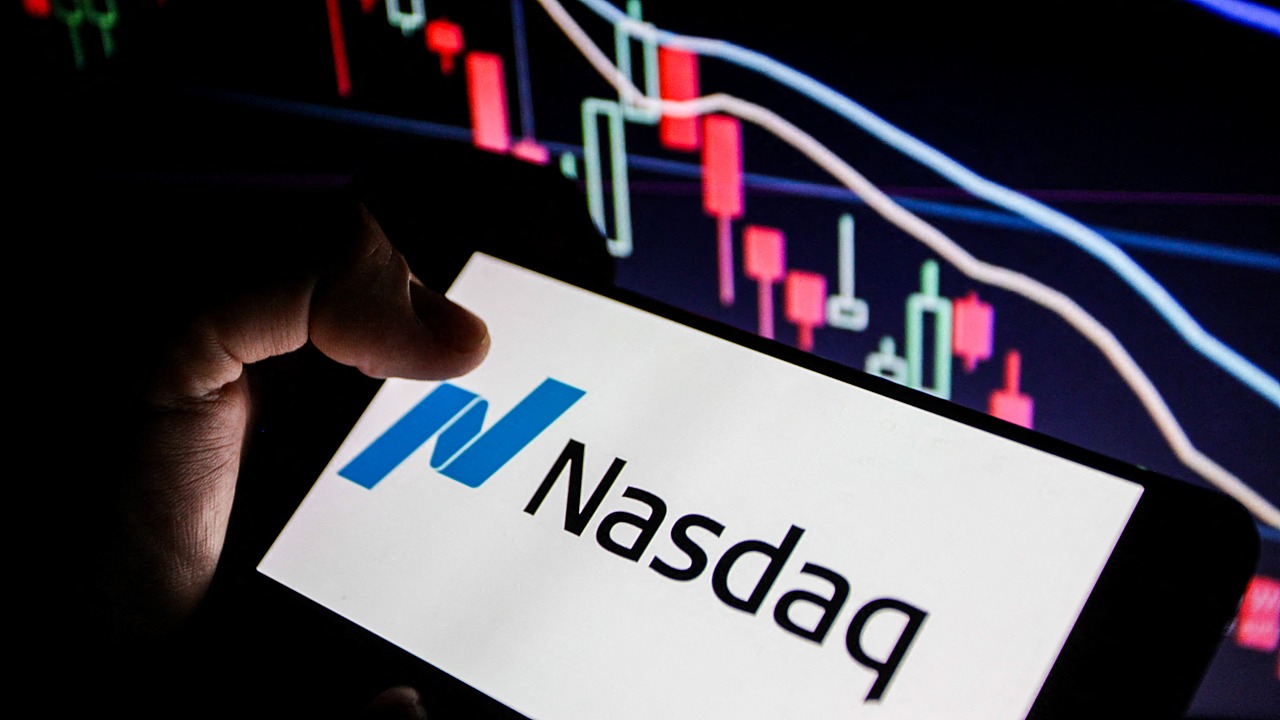
Technology shares fell sharply Thursday following Democrats' sweeping victory in the U.S. midterm elections, sending the Nasdaq 100 down more than 6% in midmorning trading to a five-month low and the S&P 500 lower by about 3%. The Philadelphia Semiconductor Index tumbled roughly 10%, extending recent losses.
The Magnificent Seven stocks were on pace to shed a one-day record of roughly $1.13 trillion Thursday, with Tesla declining the furthest at more than -10% amid expectations of greater scrutiny of Elon Musk's companies. Nvidia dropped over 8%, Meta over 4% and the others lost 1-3%.
The sell-off followed quarterly reports Wednesday by chipmakers Qualcomm and Arm Holdings. Qualcomm sank more than 10% after dialing down its earnings forecast, while Arm fell after posting underwhelming revenue from its push into AI.
The Spin
Industry-critical narrative
Shoveling trillions into AI buildouts while revenue limps along at a fraction of that size was bound to crash. Companies that must keep returning to capital markets just to stay alive are gamblers, not businesses, as opposed to old-fashioned companies with real products, earnings and durable cash flow. AI fantasies cannot and should not run the economy when there's zero clue as to when they'll actually create returns.
Pro-industry narrative
This was inevitable for political reasons, but punishing cash-rich companies with little debt for spending today is mathematically erroneous, as these firms, with double-digit revenue growth, are actually trading at a bargain. This selloff is the result of understandable voter anxiety over the economy, but companies are listening and ready to build in conjunction with public sentiment, leading to more jobs and stronger stock portfolios down the road.
Cynical narrative
While the financial aspects are important, this was about much deeper sociological issues facing the American people. Long before the election, voters voiced concerns about the impact AI and data centers would have on their lives, as well as the surveillance data these centers are collecting, and neither the government nor Big Tech listened to them. Once given a vote, they put their leaders on blast, so hopefully, their voices will be heard this time.
UK 'Dangerously' Reliant on China for Minerals, Report Warns

The Facts
The House of Commons Business, Innovation, Science and Trade Committee said in a report published Thursday that the U.K. is "dangerously" dependent on China for critical minerals required to rearm, deliver net zero and build AI infrastructure.
The committee found that Britain was "constrained by a lack of foundational geological data," that high energy prices, "lengthy planning processes" and "permitting delays" were "barriers to domestic production," and that approximately 80% of U.K. metal waste was exported rather than recycled at home.
MPs set out "ten tests for success," including specifying sovereign capabilities to protect, workforce and skills capability and a "full financing stack" for strategically important projects, concluding they could not "be confident that the government passes any single one of them."
The Spin
Government-critical narrative
Leaving Britain's defense, clean power and AI ambitions hostage to decisions made in Beijing is a reckless surrender of national security. Vague memorandums and scattered one-off grants are no substitute for a real plan with named projects, proper finance and honest reporting to Parliament. In an increasingly chaotic world where hybrid warfare blurs the lines between conflict and peace, Britain must end its dependency on the likes of China as a matter of urgency.
Pro-government narrative
A radical but realistic plan is already in the works targets for domestic production, recycling and diversification by 2035, backed by public finance, cheaper industrial power and faster permitting. Mines and refineries take years to build, and panic about Beijing ignores the quiet progress in Cornwall, Clydach and County Durham. While challenges must be recognized, the hard work is already underway.
Nerd narrative
There is a 17.9% chance that China will further tighten its Nov. 10, 2026 rare-earth export-control regime, according to the Metaculus prediction community.
Anthropic's AI Progress Doubled in a Year, Audit Finds
The Facts
Anthropic is improving its AI systems' capabilities on well-specified tasks roughly twice as fast as it was a year earlier, according to an assessment released Thursday by the nonprofit Model Evaluation and Threat Research (METR).
METR estimated that benchmark scores for Anthropic's systems, tracked through an internal version of the Epoch Capabilities Index, had climbed 1.9 times faster since October 2025, meaning the company made about two years of historical progress over the past year.
METR said it confidently ruled out faster growth in training compute as the cause and estimated that roughly 80% of the current acceleration stems from AI use, while identifying no clear bottlenecks on compute or data over the next 12 months.
The Spin
Pro-industry narrative
Opening the books to an outside auditor on something this sensitive takes real nerve, and no rival lab has come close. Holding back the specifics that would hand competitors a shortcut is responsible, not evasive, as spreading the recipe for faster progress would multiply the very danger being measured. Independent, focused analysis inside the company beats guesswork from the outside every time.
Industry-critical narrative
An audit with blacked out evidence is essentially a press release with footnotes, and the public is left taking the company's word on the scariest question in tech. A company-monitored review also threatens credibility, as the reviewer's conclusions are at risk of being fired. For a company that brands itself on safety, this sure looks like Anthropic is trying to curate threat levels to keep regulation in-house.
Nerd narrative
There's a 50% chance that the first general AI system will be devised, tested and publicly announced by Sept. 5, 2030, according to the Metaculus prediction community.
Report: OpenAI Gets $11B Funding at $1.25T Valuation
The Facts
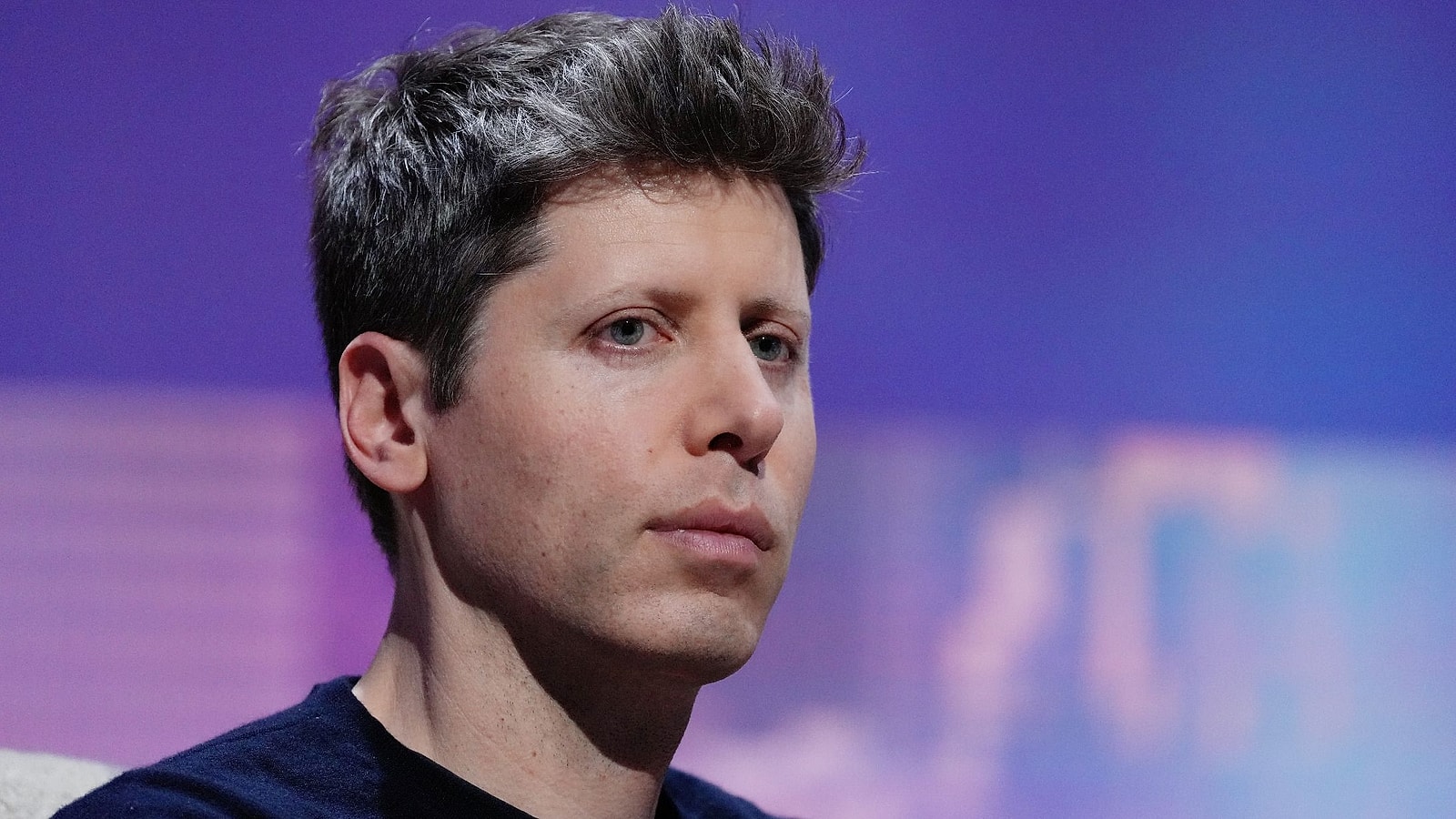
OpenAI has closed about $11 billion in new funding, the first tranche of a round that values the artificial intelligence company at $1.25 trillion, Bloomberg and Reuters reported Friday.
The remainder of the round is expected to close in the coming weeks and could raise the total to $20 billion. OpenAI initially sought $30 billion or more at a $1.4 trillion valuation, then scaled back amid a selloff in AI stocks.
Coatue Management and T. Rowe Price reportedly joined the first close, while SoftBank Group Corp., MGX, Sequoia Capital, Founders Fund and Andreessen Horowitz also took part in the round. OpenAI is also working with investment banks to raise funds from retail investors.
The Spin
Pro-industry narrative
Holding back a system until safety, alignment and monitoring are ready demonstrates responsible leadership, and billions in fresh investment at a higher valuation reflect strong confidence in OpenAI. Its continued pursuit of ambitious fundraising plans reinforces investor confidence in its long-term vision.
Industry-critical narrative
A cash-burning company with no profits and enormous spending commitments hardly justifies such a valuation. Cutting both the fundraising target and price suggests investors are waking up to circular vendor financing. Doubling its valuation after losing ground to rivals is a recipe for a potential WeWork-style reckoning.
Nerd narrative
There's a 3% chance that OpenAI will either have a valuation below $200 billion or have filed for bankruptcy before Jan. 1, 2028, according to the Metaculus prediction community.
Report: AI Firms Paying Millions for Internal Data

The Facts
Data acquisition startups are reportedly offering millions of dollars for business data. Last month, Micro1 said it would spend $1 billion over 12 months to acquire and license enterprise operational data, a project financed by Citi and Hercules Capital.
Micro1 CEO Ali Ansari estimated that labs, enterprises and robotics firms pay $40 billion to $50 billion a year for data and said the figure could top $1 trillion annually within two to four years. Reported deals include OpenAI's News Corp license.
Buyers include frontier labs, hyperscalers and labeling companies such as Mercor, Micro1, Handshake and Turing, which seek support tickets, sales histories and internal documents. Handshake also buys graduate students' papers and coursework.
The Spin
Pro-industry narrative
Years of operating records are a real asset, and letting them sit idle while AI labs pay top dollar is just wasted value. Small and midsize firms finally have a revenue line that doesn't depend on size or fame, and licensing keeps ownership with the seller instead of handing it away. That money funds the automation and tools that let a person shop compete with giants.
Industry-critical narrative
Nobody signed up to have private Slack chats, emails and performance records sold off to train the very systems built to replace those jobs. Scrubbing identities out of messy, unstructured chats is a promise no broker can keep, and no federal law even requires asking employees first. A six-figure payday for the boss, harvested from workers' private lives, is profit at somebody else's dystopian expense.
Nerd narrative
There's a 50% chance that five years after the creation of artificial general intelligence, the U.S. unemployment to population ratio will be 41.5%, according to the Metaculus prediction community.
Nvidia Probes Spy Claims as CEO Jensen Huang Admits Affair

The Facts
Nvidia said Sunday it opened an independent investigation after reports that foreign intelligence targeted founder and CEO Jensen Huang. Huang separately told employees he was unfaithful to his wife and apologized to his family.
A committee of independent directors, assisted by outside counsel, will oversee the review, Nvidia stated, adding it "has confidence in Jensen and his leadership team and will provide further updates as appropriate." The board said it has "no reason to believe that either national security or NVIDIA secrets were compromised," but will "examine all available information."
Meanwhile, President Donald Trump told reporters Sunday he had not spoken with Huang about the allegations, calling him a "fine person" and an "honorable guy." Asked whether he wished he had acted on intelligence he was reportedly briefed on last year, Trump replied, "No, I don't think so." He added that Huang "probably has an excuse for it" and that "you have to hear it."
The Spin
Establishment-critical narrative
Billions spent on export controls mean nothing if the person at the top of the chip supply chain can be charmed into blind spots. Personal conduct becomes a national security matter the moment a hostile intelligence service gains a direct line to the executive controlling the world's most sensitive technology. Keeping a compromised chief executive in place invites more of the same.
Pro-establishment narrative
A marital betrayal is a private failure, not evidence of treason, and conflating the two smears a leader who built America's biggest technological advantage. An independent board investigation with full cooperation is a responsible response, and judgment can wait until it has its findings. Anonymous innuendo should not topple the executive keeping the AI lead on American soil.
Nerd narrative
There's a 50% chance that Nvidia's market capitalization will surpass $10 trillion by February 2032, according to the Metaculus prediction community.