Yayoi Kusama, Japanese Polka Dot Artist, Dies at 97
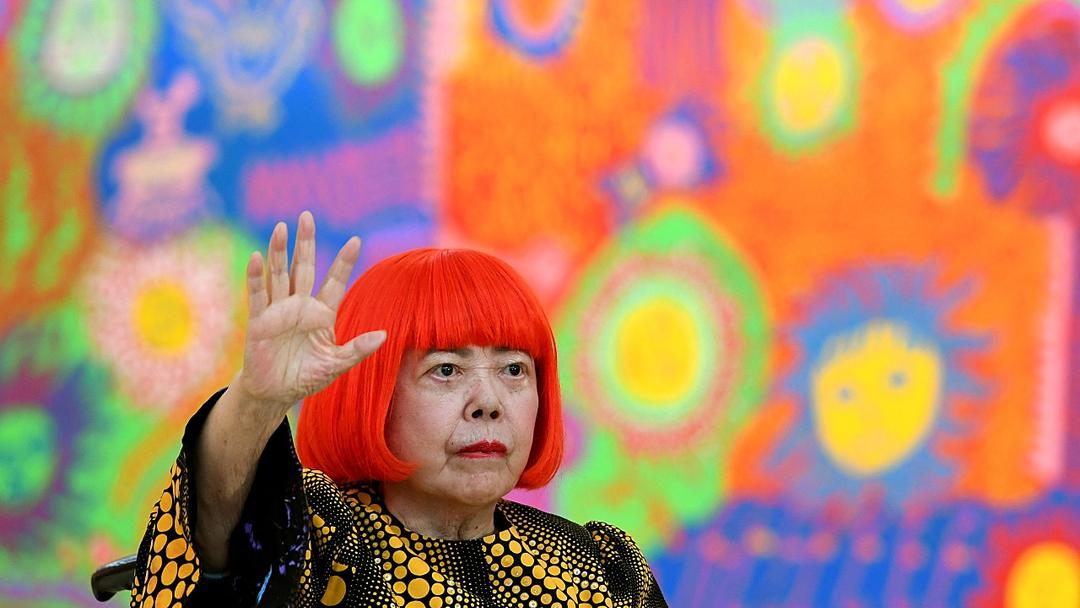
The Facts
- Japanese avant-garde artist Yayoi Kusama died Aug. 14 at a hospital in Tokyo at age 97, her studio confirmed on Thursday. Her representative David Zwirner said she died from multiple organ failure.
- Kusama continued to paint until her final days and maintained a career spanning painting, sculpture, performance art, fiction and poetry. Her studio said she "continued exploration of forever love and eternal soul."
- Born March 22, 1929, in Matsumoto City, central Japan, Kusama reported experiencing hallucinations and visions from childhood, which she channeled into her signature polka dot motifs and repetitive net patterns.


Sources Split
LEFT
CENTER
RIGHT
+2
+1
+3
+1
+2
ESTAB
CRIT
CENTER
PRO
ESTAB
The Spin
Narrative A
Yayoi Kusama's legacy as the "Princess of Polka Dots" is a testament to what happens when raw genius refuses to be contained. Her dots, pumpkins and mirror rooms didn't just decorate walls, they rewired how people experience art. Despite being sidelined by a male-dominated art establishment for decades, Kusama outlasted every gatekeeper who ignored her. The world didn't discover Kusama, it finally caught up to her.


Narrative B
Kusama's greatness wasn't built on Western validation, as Japan's eventual embrace of her reveals how deeply her work resonated on its own cultural terms. The country that once dismissed her as an outcast now celebrates her as a bridge between Japanese identity and the global art world. That reclamation matters because it centers Kusama's roots, not just her international commercial success.

© 2026 Improve the News Foundation.
All rights reserved.
Version 7.18.3