WHO Approves First Malaria Drug Made for Newborns
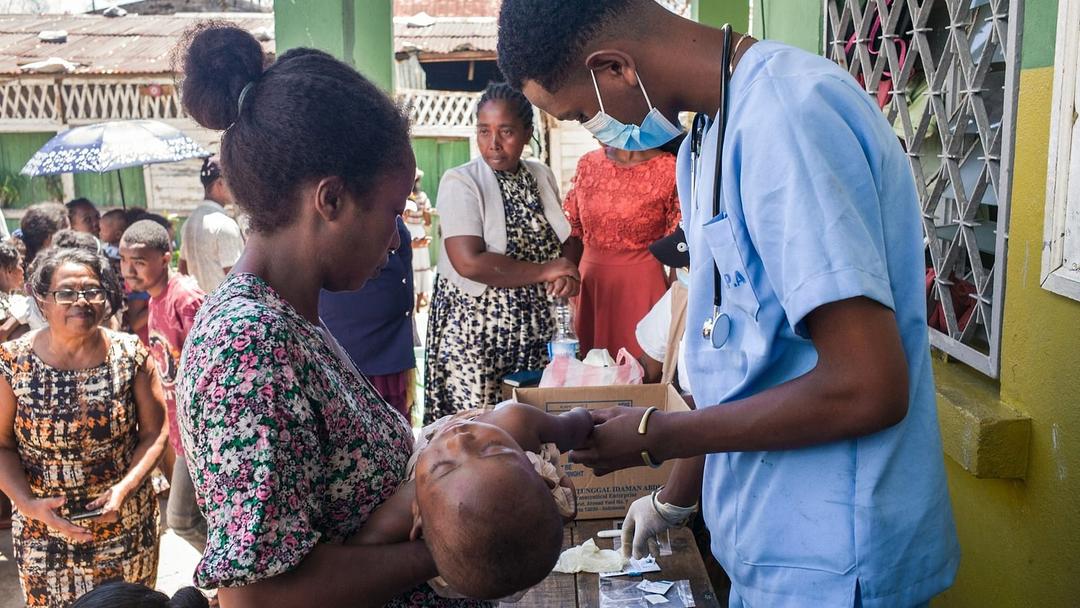

The Facts
- The World Health Organization (WHO) prequalified Coartem Baby (artemether-lumefantrine) on April 24, making it the first antimalarial treatment developed specifically for newborns and young infants weighing between 2 and 5 kilograms.
- Prior to this approval, infants with malaria were treated with formulations designed for older children, which the WHO said increased the risk of dosing errors, side effects and toxicity.
- Malaria caused an estimated 282 million cases and 610,000 deaths in 2024, with children under five accounting for roughly three in four deaths, almost all in Africa.


Sources Split
LEFT
CENTER
RIGHT
+1
+1
+1


ESTAB
CRIT
CENTER
PRO
ESTAB
The Spin
Pro-establishment narrative
The WHO's prequalification of Coartem Baby is a landmark moment for global health — for the first time, newborns and young infants have a malaria treatment built specifically for them. Before this, the smallest babies were dosed with formulations meant for older children, raising serious risks of toxicity and error. With 30 million babies born annually in malaria-endemic Africa, this breakthrough closes a treatment gap that has cost lives for far too long.
Establishment-critical narrative
Headlines tied to Gates Foundation efforts warrant skepticism, as reality often falls short. Gates was part of a successful malaria vaccine effort decades ago, but cut funding for it despite reducing severe cases by a third, redirecting money toward new initiatives instead of scaling what worked. Since then, billions have continued to flow through the WHO and allied groups, blurring philanthropy and influence. Calling this a public health triumph ignores who controls the money and who benefits.