WHO: Nipah Virus Outbreak in India Poses Low Global Risk
The Facts
- Indian authorities confirmed two cases of Nipah virus in West Bengal since December, with 196 contacts traced, quarantined and tested, all returning negative results. The situation is under constant monitoring with all necessary public health measures in place.
- The WHO said the risk of further international spread of the Nipah virus from the latest outbreak in India remains low, with no evidence of increased human-to-human transmission. India has demonstrated the capacity to contain Nipah outbreaks in the past.
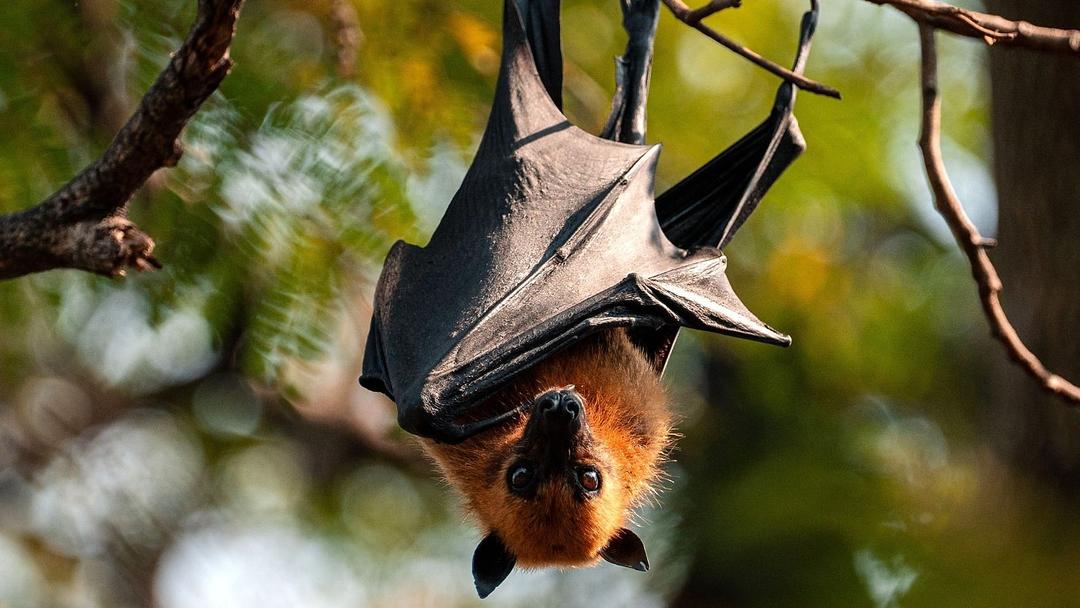
- Nipah virus is a zoonotic disease that spreads from fruit bats to humans and can cause severe respiratory illness and encephalitis with a fatality rate. First identified in 1999, the disease can also be transmitted through contaminated food or directly from person to person.


Sources Split
LEFT
CENTER
RIGHT
+2
+1

+1
+1

+1
+1
+1
ESTAB
CRIT
CENTER
PRO
ESTAB
The Spin
Narrative A
Airport screening across Asia reflects justified alarm about Nipah's deadly threat. With mortality rates up to 75%, no approved vaccine and symptoms easily confused with common illnesses, heightened vigilance is essential. America's WHO withdrawal has weakened global disease response precisely when coordination matters most.


Narrative B
India's swift containment of the Nipah outbreak proves that strong health systems work. Rapid identification, aggressive contact tracing of over 2,500 people and strict infection control measures stopped transmission within weeks. The basic reproduction number below 1 means limited human spread and low pandemic risk.

Metaculus Prediction
© 2026 Improve the News Foundation.
All rights reserved.
Version 7.18.0