Study: Weight-Loss Injections Linked to Rapid Weight Regain
The Facts
- Research published in the British Medical Journal on Wednesday analyzed 37 studies involving more than 9,000 participants and found that people using weight management medications — including weight‑loss injections — regained an average of 0.4 kg (0.9 lb) per month after stopping treatment, returning to their pre-treatment weight within approximately 1.7 years.
- The Oxford University study found that weight regain occurred almost four times faster for people who stopped weight loss medications than for those leaving behavioral weight management programs, where regain averaged about 0.1 kg per month.
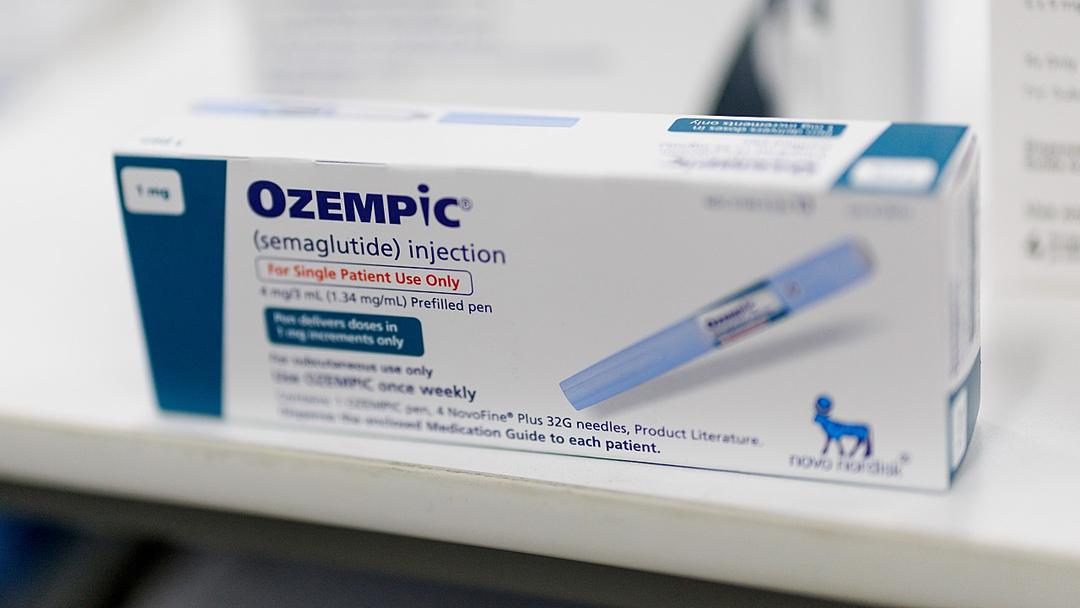
- The review included GLP‑1 receptor agonist medications, such as semaglutide (Wegovy, Ozempic) and tirzepatide (Mounjaro, Zepbound), though only eight of the 37 studies assessed these newer drugs, and follow-up was limited to one year after treatment stopped.


Sources Split
LEFT
CENTER
RIGHT
+1
+1
+1
+1
+1


ESTAB
CRIT
CENTER
PRO
ESTAB
The Spin
Narrative A
Weight‑loss injections like Ozempic and Wegovy can produce quick results, but most users regain nearly all lost weight within a year, often faster than people following diet and exercise programs. The drugs create dependence without building lasting habits, and prolonged use can carry health risks, making lifelong reliance unrealistic and unsafe. Relying on expensive, short-term interventions while ignoring behavioral change sets millions up for failure and wastes resources on a fleeting fix.

Narrative B
GLP‑1 drugs like Ozempic and Wegovy can be a powerful tool for adults with obesity when combined with diet, exercise and professional support. They can produce up to 20% weight loss and reduce risks of heart attack, stroke and diabetes by around 20% over three years. Although sometimes seen as a "quick fix," these therapies offer millions a medically validated option to supplement lifestyle changes in managing a chronic condition that causes 3.7 million deaths globally each year.


© 2026 Improve the News Foundation.
All rights reserved.
Version 7.18.0