Wegmans Uses Facial Recognition in Some 'High-Risk' Stores
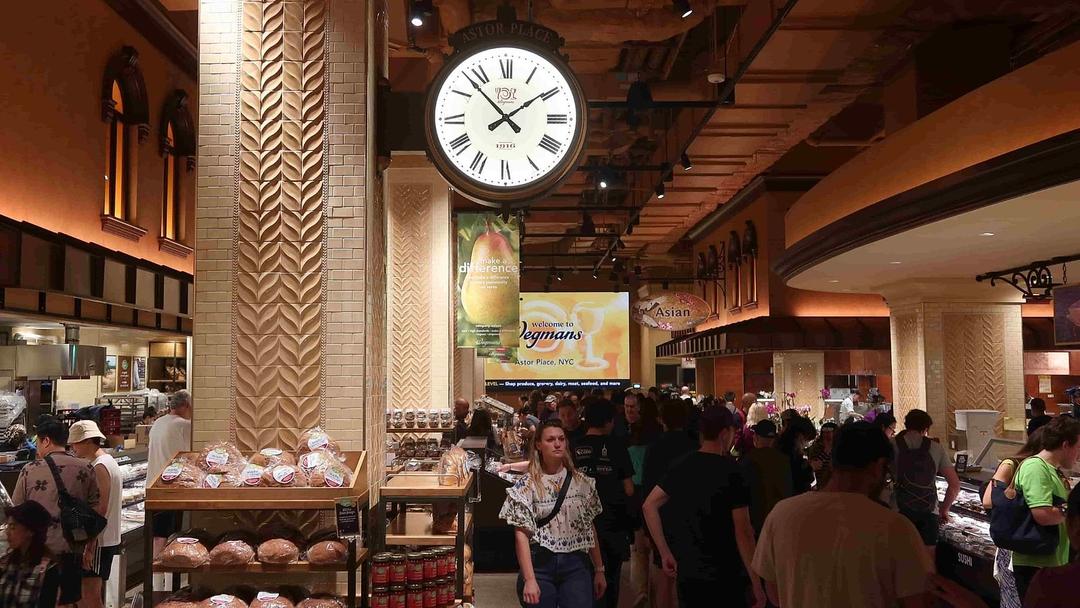
The Facts
- Wegmans Food Markets has acknowledged using facial recognition technology in a small fraction of its stores located in communities that exhibit "elevated risk." It's used to identify individuals previously flagged for misconduct and is deployed alongside other security measures.
- Signs posted at New York City Wegmans stores notify customers that biometric information, including facial recognition, eye scans and voiceprints, may be collected and stored. The signage is required under a 2021 city law mandating such disclosure.
- Wegmans collects various customer data, including contact information, transaction history, video recordings of shoppers and license plates, and location data from mobile devices. It shares de-identified purchase and profile data with third parties.


Sources Split
LEFT
CENTER
RIGHT
+2
+1

ESTAB
CRIT
CENTER
PRO
ESTAB
The Spin
Techno-optimist narrative
Facial recognition technology keeps stores safe from violent criminals who have stolen over $112 billion from retailers and killed more than 1,100 people in retail settings since 2022. Wegmans deploys this proven security measure only in high-risk locations to identify previously flagged individuals, never basing decisions on technology alone and always maintaining human oversight. The public overwhelmingly supports this approach, with 68% recognizing facial recognition makes society safer.

Techno-skeptic narrative
Wegmans is conducting mass surveillance on shoppers from parking lot to checkout, tracking license plates, movements and purchases to sell customer data to advertisers and third parties. The company refuses to disclose how long it stores biometric data, who gets added to secret watchlists or whether facial recognition is even being used in Western New York stores. This invasive technology misidentifies women and people of color while creating private watchlists with zero accountability or transparency.
Metaculus Prediction
© 2026 Improve the News Foundation.
All rights reserved.
Version 7.18.2