Venice Biennale Roiled by Russia Row


The Facts
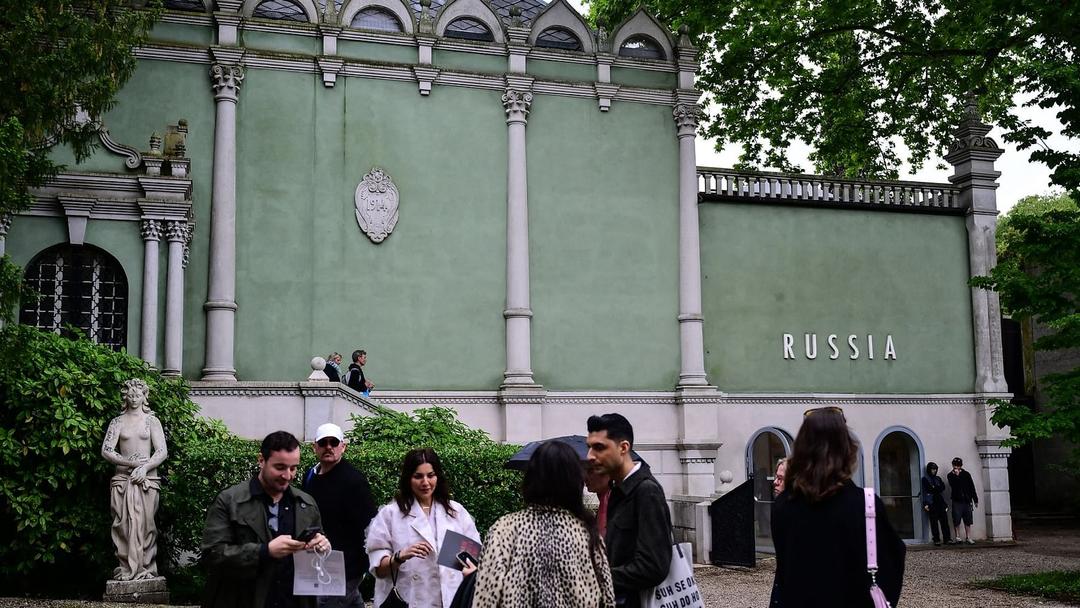
- Russia's pavilion returned to the Venice Biennale, set to begin this Saturday, for the first time since 2022. The European Commission sent two letters opposing Russia's inclusion and threatened to suspend more than $2.3 million in funding if the Biennale did not reverse course.
- The 61st Biennale's five-member international jury, led by Brazilian curator Solange Farkas, resigned on April 30, citing its earlier decision not to award prizes to artists from countries whose leaders face International Criminal Court warrants, namely Russian President Vladimir Putin and Israeli Prime Minister Benjamin Netanyahu.
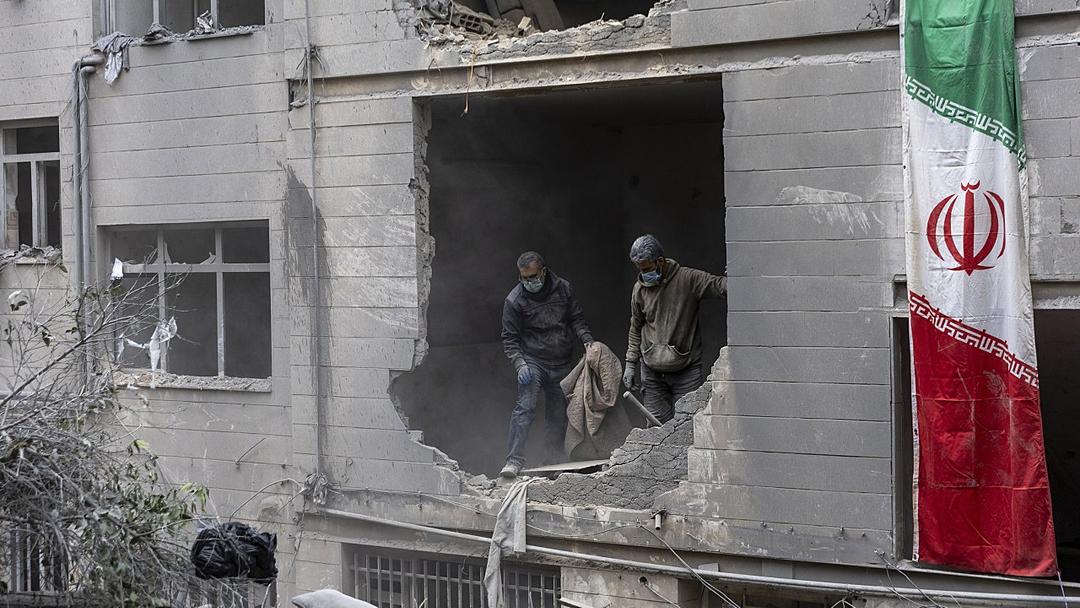
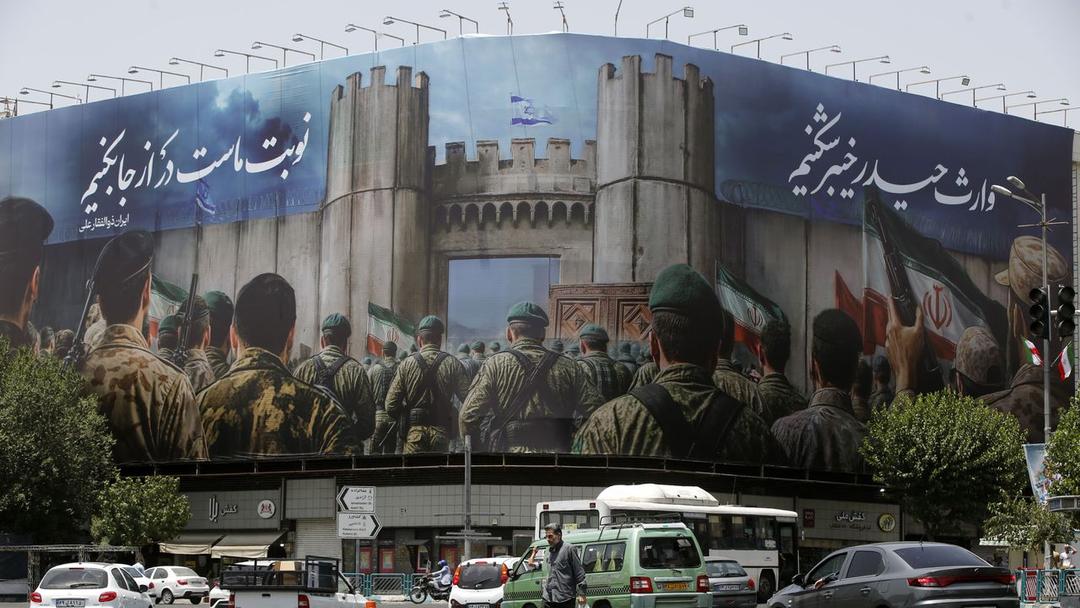
- Event organizers also confirmed Monday that Iran withdrew from the event amid the ongoing conflict in the Middle East. Reports suggested that logistical barriers, such as no available flights or postal services, were a major factor in the decision.


Sources Split
LEFT
CENTER
RIGHT
+3
+1

ESTAB
CRIT
CENTER
PRO
ESTAB
The Spin
Narrative A
Allowing Russia back into the Venice Biennale was a diplomatic disaster, with 22 European governments protesting, the jury resigning and the European Commission firing off multiple letters condemning the decision. Their pavilion staying closed to the public while projecting videos on its facade is also a transparent workaround that fools nobody. Warmongering regimes, which also include the U.S. and Israel, shouldn't be rewarded for their behavior on the world stage.
Narrative B
The Venice Biennale's mission is to unite nations through art, and excluding Russia — or any country, for that matter — undermines that purpose entirely. The Russian pavilion belongs to the Russian Federation — the Biennale and the Italian state have no legal authority over it, making the EU's threat to pull a 2 million-euro grant pure political coercion. Art has always been a force for peace, and weaponizing funding to dictate who participates corrupts that ideal.
Cynical narrative
Geopolitics aside, the Venice Biennale — like the rest of the global art-exhibition circuit — has long since stopped being about art. It's now a gilded trade fair for the 0.1 percent — collectors, gallerists and auction houses who treat national pavilions as branded real-estate opportunities and turn the whole event into a week-long networking spree dressed up as cultural diplomacy. The work itself has grown relentlessly safe and market-tested, while younger artists without trust funds or dealer connections are priced out entirely.


Public Figures








© 2026 Improve the News Foundation.
All rights reserved.
Version 7.18.3