US Winds Down Health Aid After Zimbabwe Rejects Deal
The Facts
- The United States said Wednesday that it will wind down health assistance to Zimbabwe after talks collapsed over a proposed five-year, $367 million bilateral agreement. The funding was intended to support HIV/AIDS treatment, tuberculosis and malaria programs, maternal and child health, and outbreak preparedness.
- Zimbabwe withdrew from the negotiations due to concerns over data sharing requirements, with government spokesperson Nick Mangwana stating the arrangement was "asymmetrical" and required sharing "biological resources" without guarantees of access to resulting medical innovations such as vaccines or treatments.
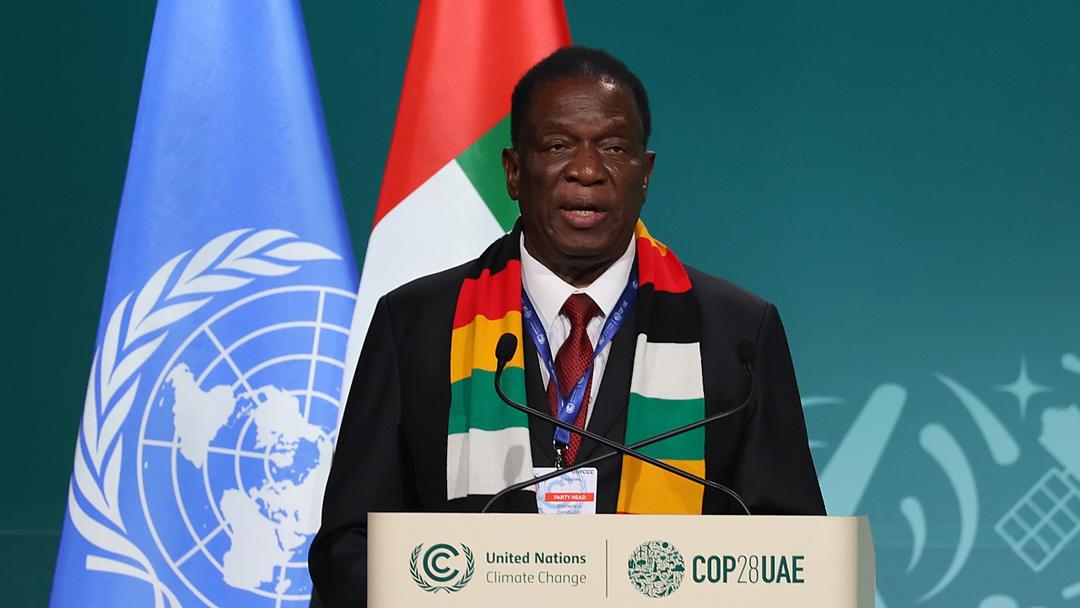
- Zimbabwe's President Emmerson Mnangagwa directed that negotiations be terminated, with officials stating the U.S. proposal was tied to comprehensive access to Zimbabwe's "sensitive health data, including virus samples and epidemiological information" without reciprocal data sharing from the U.S.


Sources Split
LEFT
CENTER
RIGHT
+1

+1
+3

ESTAB
CRIT
CENTER
PRO
ESTAB
The Spin
Pro-government narrative
Zimbabwe rejected a lopsided health deal that demanded sensitive biological data and strategic resources in exchange for aid, without guarantees of access to resulting medical innovations. The arrangement was asymmetrical, requiring extended data sharing while the U.S. offered no reciprocal epidemiological data or equal partnership. Conditioning financial assistance on concessions affecting national security and data sovereignty turns cooperation into unequal exchange that no sovereign nation should accept.
Government-critical narrative
The proposed agreement would have delivered extraordinary benefits to 1.2 million Zimbabweans receiving HIV treatment through U.S.-supported programs and represented the largest potential health investment by any international funder. The co-funding model prioritized sustainability and shared ownership while building on over $1.9 billion in U.S. health support since 2006 that directly enabled Zimbabwe to reach critical UNAIDS goals. Rejecting the agreement is regrettable and impacts vulnerable populations.