UN Declares Slave Trade 'Gravest Crime Against Humanity'
The Spin
Pro-establishment narrative
The U.S. was right to vote against this resolution — no legal system holds people responsible for their ancestors' crimes, and ranking atrocities against each other diminishes every victim of every horror in history. The Arab slave trade took even more Africans than the transatlantic trade yet gets zero mention, exposing this as a political assault on the West rather than genuine justice. Reparations claims undermine the very international institutions Africa depends on.
Establishment-critical narrative
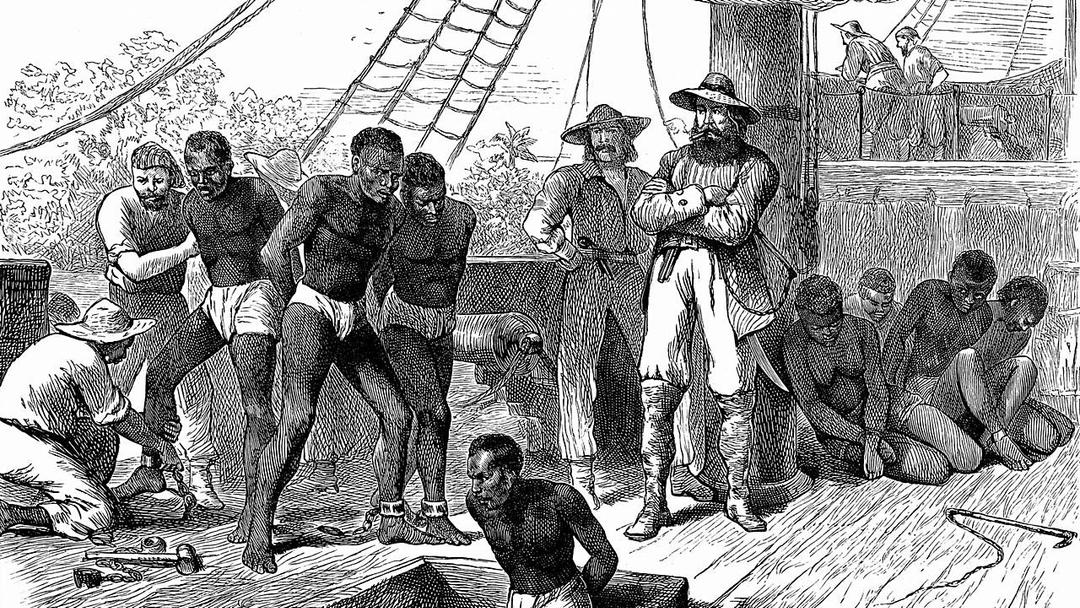
The U.N.'s landmark vote makes clear that the transatlantic slave trade — which stole over 12 million people across generations — demands more than acknowledgment; it demands reparatory justice. Racial inequality and underdevelopment persist directly because of slavery's enduring structural consequences, and 123 nations agreeing on that fact carries enormous moral weight. Western abstentions and opposition cannot erase a historical truth the world has now formally affirmed.