UN: Almost One in Three People Cannot Afford a Healthy Diet
The Spin
Narrative A
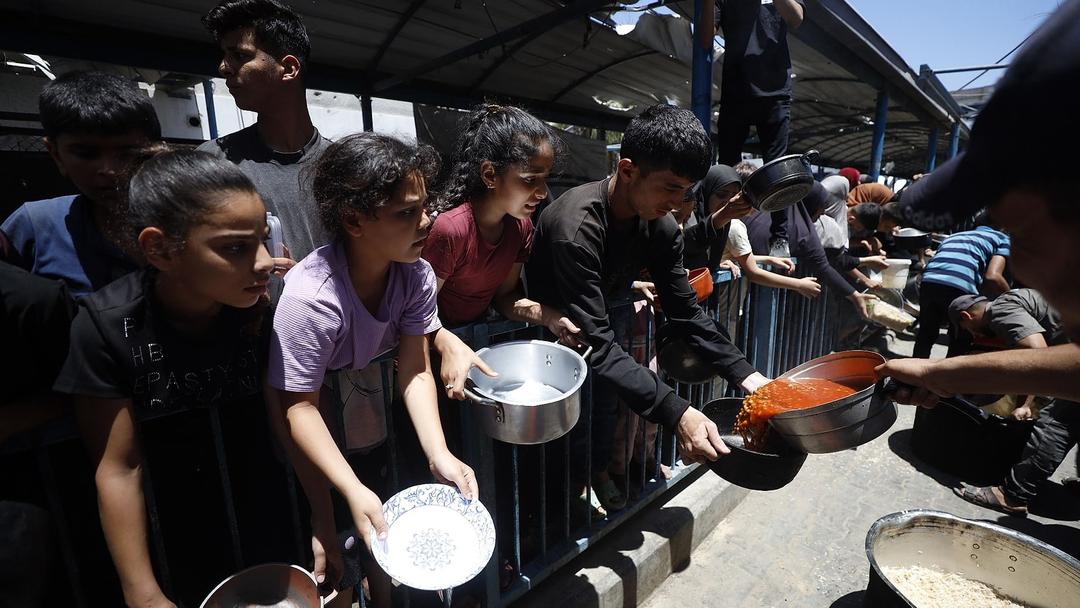
Africa now has more hungry people than any other region — 309 million, or 1 in 5 — and two-thirds can't afford a healthy diet. Slashing foreign aid, including $1.4 billion in emergency nutrition funding, has pushed millions deeper into crisis and shuttered life-saving programs across the continent. Fixing this demands reversing aid cuts, tackling conflict and investing in climate-resilient food systems before the gains made elsewhere collapse entirely.
Narrative B
Rising food prices can create real hardship, but prices alone do not tell the full story of human wellbeing. As incomes, productivity and access to food have improved, people can often afford more despite higher nominal prices. While millions still face hunger and urgent action remains essential, the long-term global trend is encouraging: famine has become rarer, and the share of people experiencing chronic hunger has generally declined over time.
Narrative C
Global dietary recommendations are disconnected from agricultural reality and set people up to fail. Vegetables, nuts and fruit are expensive per calorie, and recommending them at current levels ignores that poor, hard-working people simply can't afford or sustain such diets. Adjusting recommendations to reflect what can actually be grown and afforded locally would do far more good than repeating targets almost nobody meets.
Go Deeper
© 2026 Improve the News Foundation.
All rights reserved.
Version 7.13.0