Ukraine Drone Airlifts Wounded Soldier in 'World First'
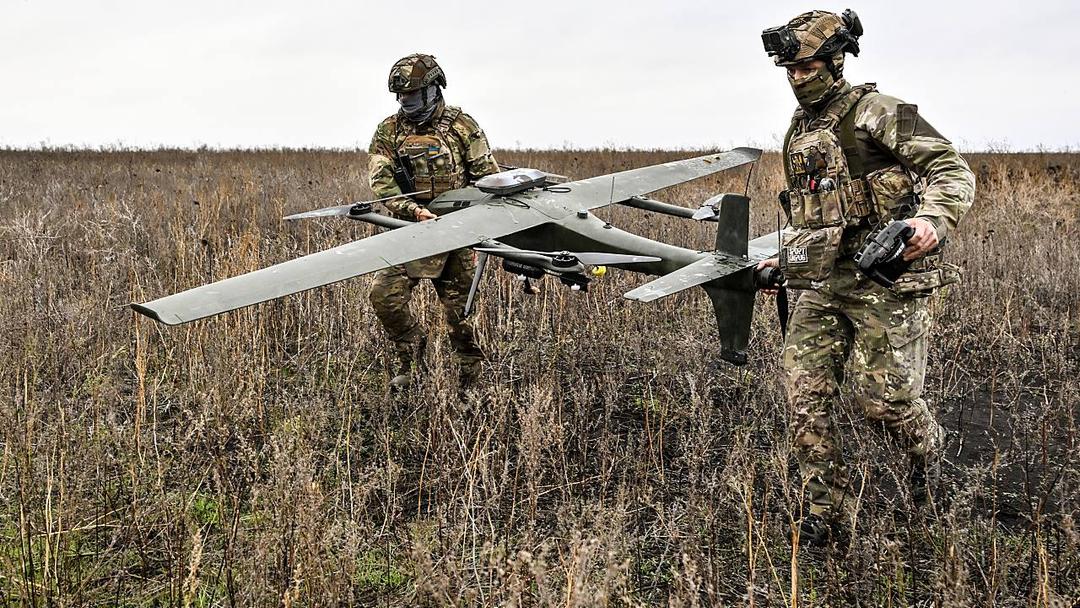
The Facts
- Ukraine's 92nd Separate Assault Brigade said Monday it had evacuated a wounded soldier from the front line using an aerial drone, publishing video of the mission and describing the operation as the first of its kind in the world.
- Landmines and intense enemy drone activity made evacuation by conventional unmanned ground vehicles impossible, the brigade said, so troops adapted a heavy six-rotor drone that had originally been configured as a bomber to lift the infantryman.
- The aircraft was an Ayudag-6 hexacopter from Ukrainian manufacturer Gurzuf Defence, which said the soldier had spent close to a year and a half in a dangerous combat position and that any attempt to reach him carried a deadly risk.


Sources Split
LEFT
CENTER
RIGHT
+1

+1
+1


+3

ESTAB
CRIT
CENTER
PRO
ESTAB
The Spin
Pro-establishment narrative
Battlefield ingenuity like lifting a wounded fighter out of a minefield shows why backing Ukraine is not only important, but the cheapest security bargain around. The old worries about cost and escalation have collapsed, since Ukraine builds its own weapons and Moscow's nuclear bluster never amounts to more than angry statements. Holding the line now spares NATO decades of trouble later.

Establishment-critical narrative
No clever rescue clip or refinery fire changes the fact that Ukraine's cities face a winter of missiles and jet-powered drones that keep getting through. Improvised gadgets are no substitute for real interceptors, and every deep strike inside Russia invites heavier retaliation while pushing global energy prices higher. Grinding attrition, not viral footage, decides this war.

Techno-optimist narrative
Rescue drones are already saving lives, locating missing people in minutes and reaching emergencies faster than ambulances. They're cheaper, safer and more versatile than traditional rescue methods. The technology doesn't need to be perfect to go mainstream. What's holding it back isn't engineering, but bureaucratic inertia and needless restrictions.


Techno-skeptic narrative
Finding someone on a thermal camera isn't the same as rescuing them. Drones still struggle with weather, debris, false positives and unreliable AI, while requiring trained humans to interpret footage and coordinate rescues. Flashy demonstrations obscure the real barriers of cost, regulation and infrastructure. Mainstream autonomous rescue remains a distant promise.
