UK Ends Hereditary Peers' Right to Sit in House of Lords
The Facts
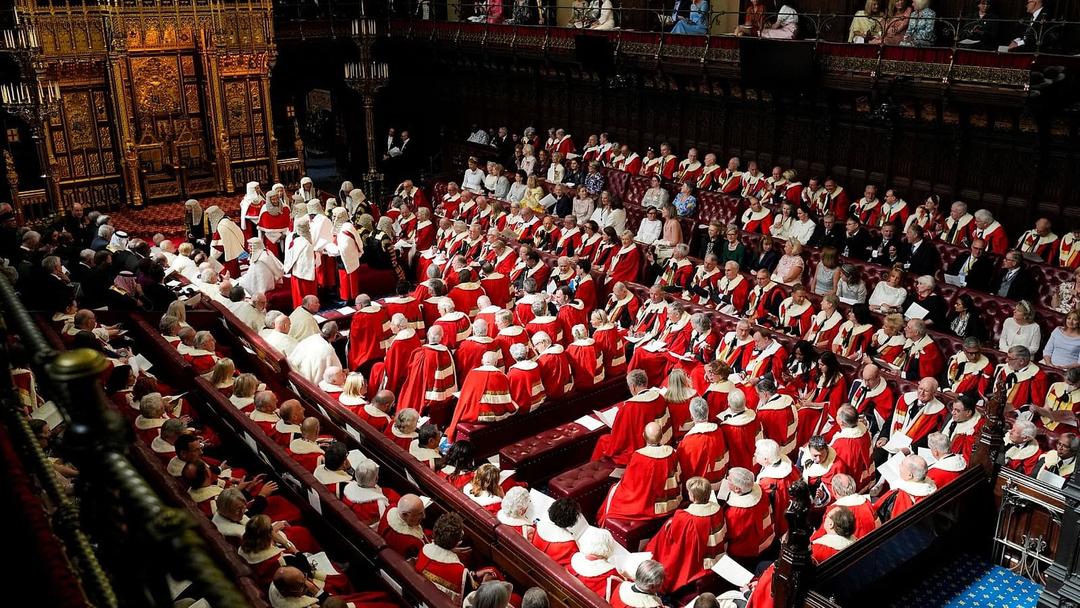
- The United Kingdom House of Lords (Hereditary Peers) Bill was formally passed by Parliament on Tuesday, marking one of the biggest reforms to Parliament in a generation. The legislation will end the right of hereditary peers to sit and vote in the House of Lords.
- Since 1999, up to 92 hereditary peers have been able to sit in the upper house and cast their votes, but the bill effectively reduces this quota to zero. Hereditary peers who have not been made life peers will lose their seats when the current parliamentary session ends.
- A compromise was reached that will see 15 Conservative Party members of the House of Lords, whose positions were passed down by bloodline, continue as life peers. The agreement broke a months-long debate over the legislation, as peers agreed to let it pass without a vote.


Sources Split
LEFT
CENTER
RIGHT
+1
+1
ESTAB
CRIT
CENTER
PRO
ESTAB
The Spin
Left narrative
Hereditary peerages represent an archaic and undemocratic principle that has no place in a modern legislature. Parliament must be a place where merit counts, not where titles handed out centuries ago hold power over the will of the people. Removing the hereditary element completes reforms started 25 years ago and brings the U.K. in line with 21st century democracies.
Right narrative
Expelling hereditary peers breaks a unique, thousand-year link with the past and replaces a limited but genuine electoral system with pure prime ministerial patronage. The hereditary lords provided independent voices and effective advocacy for marginalized interests like farming. What's replacing them is even less democratic: a chamber overwhelmingly chosen by the whims of party leaders.