Trump Announces 10-Day Israel-Lebanon Ceasefire



The Facts
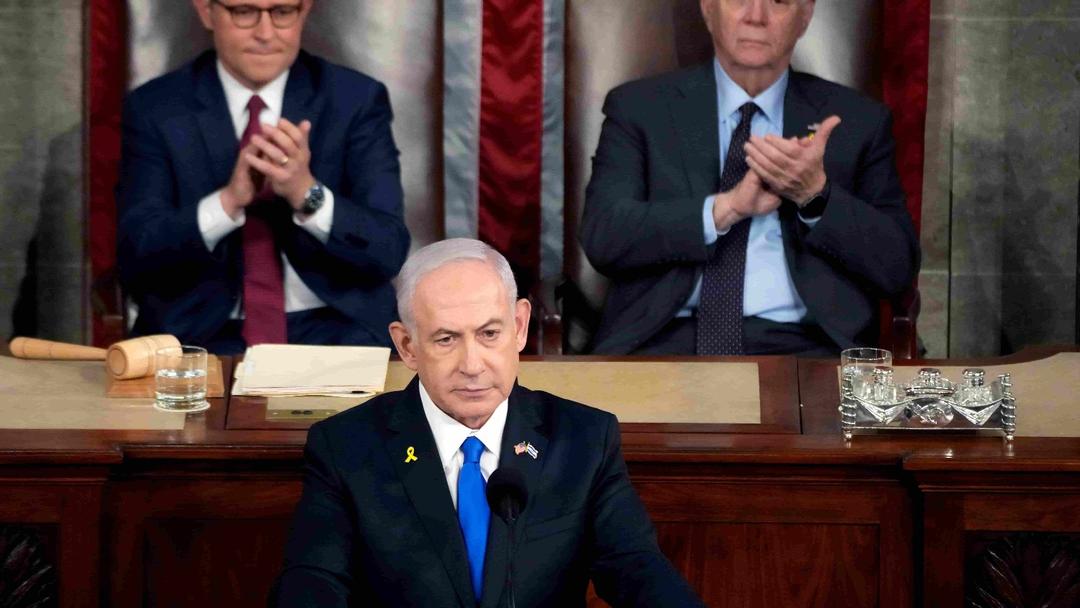
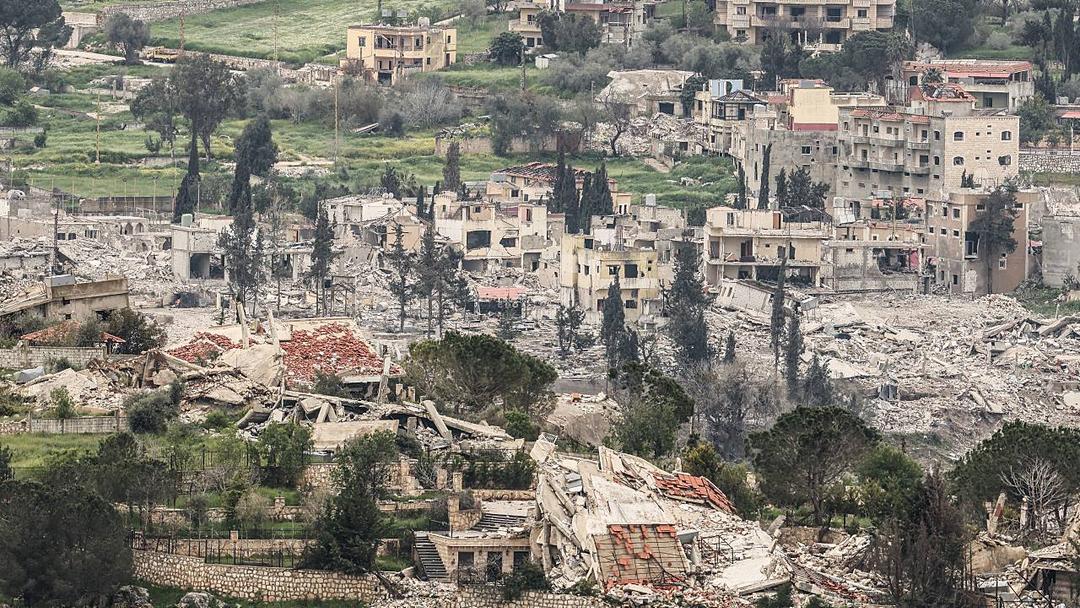
- U.S. President Donald Trump announced on Thursday a 10-day ceasefire between Israel and Lebanon, set to begin at 5 p.m. EST, following "excellent conversations" with Lebanese President Joseph Aoun and Israeli Prime Minister Benjamin Netanyahu.
- In a Truth Social post, he said that the two leaders have agreed to "formally begin" a ceasefire "to achieve PEACE between their Countries," adding, "It has been my Honor to solve 9 Wars across the World, and this will be my 10th, so let's, GET IT DONE!"
- Trump directed Vice President J.D. Vance, Secretary of State Marco Rubio and Joint Chiefs of Staff Chairman Gen. Dan Caine to work with both sides toward a "Lasting PEACE." Israeli and Lebanese envoys had met at the State Department in Washington on Tuesday.


Sources Split
LEFT
CENTER
RIGHT

+3

+2

+1


ESTAB
CRIT
CENTER
PRO
ESTAB
The Spin
Pro-Trump narrative
Trump's brokered ceasefire is a massive diplomatic win — getting Israel and Lebanon to the table for the first time in 34 years is no small feat. This deal reflects real momentum toward lasting peace, backed by the U.S. and its key allies. Dismissing this achievement ignores the genuine suffering of Lebanese civilians and the hard work it took to get here.
Pro-Israel narrative
A 10-day ceasefire hands Hezbollah exactly what it needs — time to regroup, rearm and strike again at Israeli civilians. Lebanon's government has proven it can't or won't disarm Hezbollah, making any talks pointless. Stopping now, just as Israel is inflicting serious losses, repeats the same failed playbook that got everyone here in the first place.

Anti-Trump narrative
Donald Trump announced the Israel-Lebanon ceasefire as a diplomatic step forward, emphasizing renewed prospects for regional stability and dialogue. However, underlying dynamics suggest a more complex context: Benjamin Netanyahu opposes ending the war with Hezbollah, while Iran is said to have demanded a ceasefire first — prompting Washington to shape the narrative as its own initiative. It appears more as an exercise in damage control presented as diplomacy.

Pro-Iran narrative
Iran's steadfast adherence to its principled position — that halting Israeli aggression in Lebanon was essential for any negotiations — ultimately yielded results. By refusing to engage without this condition, Tehran compelled Washington to acknowledge the linkage, reinforcing its credibility and resolve. The eventual shift toward a ceasefire underscored Iran's strategic patience, demonstrating that firm diplomacy and resistance can effectively shape outcomes in complex regional negotiations.