Taliban Court Denies Divorce to Afghan Woman Allegedly Beaten by Husband
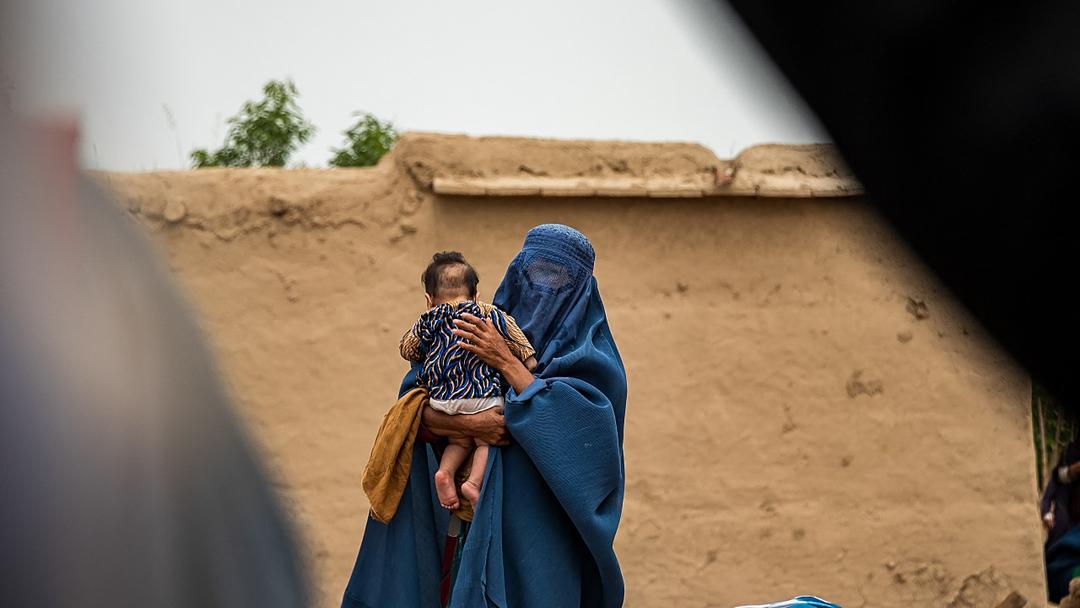
The Facts
- In a Taliban court case reported last week in northern Afghanistan, a judge rejected a divorce request from a woman who said her husband had repeatedly beaten her, including with a phone charger cable, allegedly telling her, "A little anger and a few beatings won't kill you."
- The woman, identified by the pseudonym Farzana, said the judge accused her of fabricating abuse claims and told her to return home, adding, "Islam allows a man to beat his wife if she disobeys him, to discipline her."
- The case follows the Taliban's introduction of a new penal code, signed by Supreme Leader Hibatullah Akhundzada and distributed to courts across Afghanistan, which classifies spousal beatings as "discretionary punishment" rather than a criminal act. The code allows beatings unless they cause "broken bones or open wounds."


Sources Split
LEFT
CENTER
RIGHT

+1
+2
+2
+2

ESTAB
CRIT
CENTER
PRO
ESTAB
The Spin
Narrative A
Farzana's denied divorce exposes the brutal reality for women under Taliban rule. A legal system that treats domestic abuse as a husband’s "discipline" traps women between violence at home and indifference in court. The Taliban's new penal code has codified gender apartheid — punishing women for seeking safety and legitimizing abuse. This isn't religion; it's state-sanctioned brutality. Urgent international pressure and legal reform are needed to restore women's rights.


Narrative B
Farzana's denied divorce has been seized on by Western media to reinforce a familiar, xenophobic narrative of Taliban barbarism, stripped of cultural and legal context. By reducing a complex court case to sensational headlines about "legal wife-beating," coverage ignores long-standing social norms and Islamic legal debates predating the Taliban. The result is less journalism than framing — stories selectively amplified to reinforce stereotypes about Muslim societies.

Narrative C
True Islamic scholarship makes clear that domestic violence has no Qur'anic foundation — the Prophet himself never raised a hand against a woman and repeatedly condemned those who did. The Qur'an's core vision of marriage is tranquility, affection and mercy, not hierarchy and fear. Any reading that grants men a license to abuse their wives, as in the case of Farzana, is a patriarchal distortion, not divine law.
Metaculus Prediction
© 2026 Improve the News Foundation.
All rights reserved.
Version 7.17.1