Sydney Shark Attack Victim Briefly Wakes From Coma
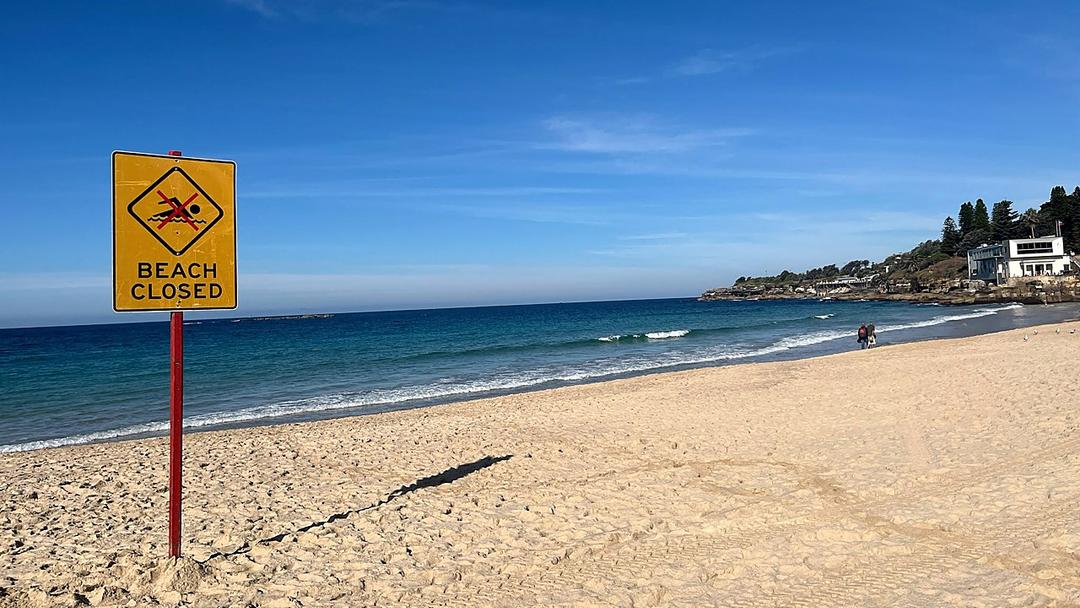

The Facts
- Leah Stewart, a 34-year-old teacher and mother, briefly woke from an induced coma on Tuesday, more than a week after she was attacked by a shark at Sydney's Coogee Beach on June 13, sustaining life-threatening injuries, including severe bites and major blood loss.
- Stewart's first words upon waking were "I love you," spoken to her mother and partner, who had remained by her bedside in the ICU since the attack. Her brother Joshua said her first thoughts were of her one-year-old daughter, August.
- Stewart underwent five days of surgery in the week following the attack, including an arm amputation, with further operations scheduled. Her brother Joshua described her recovery as "a long road ahead" while noting the development as "a positive first step."


Sources Split
LEFT
CENTER
RIGHT
+1
+3
+1


ESTAB
CRIT
CENTER
PRO
ESTAB
The Spin
Narrative A
Above all, Leah Stewart's recovery is nothing short of extraordinary. Waking from an induced coma to say "I love you" after five days of surgery and arm amputation is a testament to her strength. Her family called it a "miracle," and that word fits. With more procedures ahead, this first step gives real hope that a 34-year-old mum and teacher can find her way back to her daughter, August.

Government-critical narrative
Leah Stewart lost an arm and nearly lost her life, yet politicians like Premier Minns still seem more concerned with protecting sharks than protecting families. After a string of attacks and deaths, beachgoers deserve more than drones and promises. Reopen commercial shark fisheries, remove dangerous sharks from popular swimming areas, and put people before sharks before another parent, child, or surfer pays the price.


Pro-government narrative
Shark culls are a feel-good non-solution that marine biologists say would actually make beaches more dangerous by attracting sharks closer to shore. Expanding drone surveillance across more NSW beaches is the smart, science-backed move, and Premier Minns is right to push world-leading drone technology instead of targeting protected migratory species that no cull could meaningfully reduce.
Public Figures
© 2026 Improve the News Foundation.
All rights reserved.
Version 7.17.1