Study: India Has the Highest Space Launch Cost
The Facts
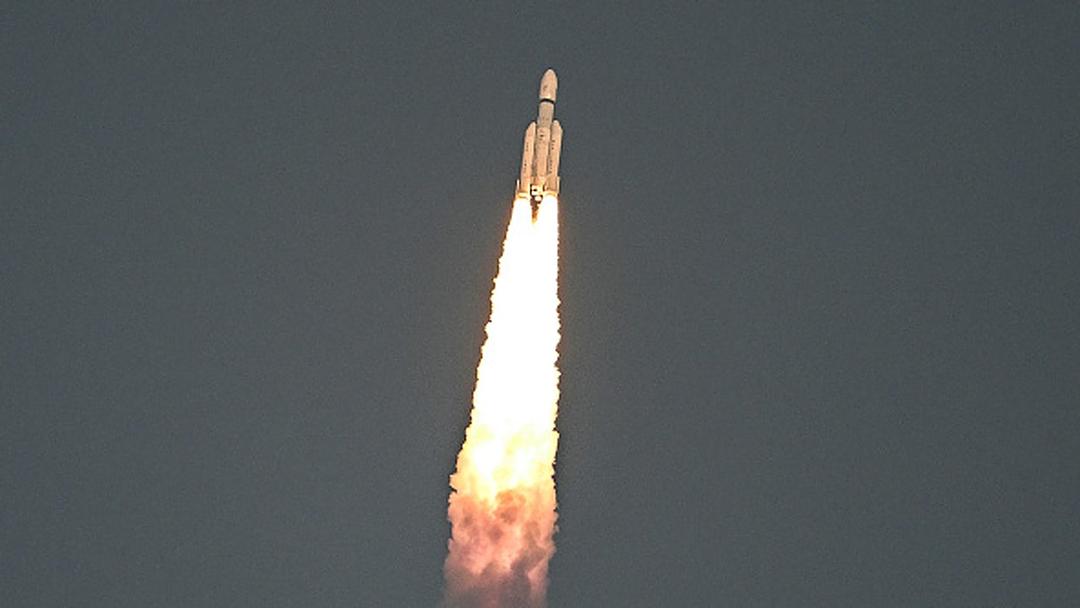
- A peer-reviewed study published in Economics Letters estimated India's cost of launching a kilogram of payload to Low Earth Orbit at $13,302 in 2025 — the highest among major spacefaring nations examined, and more than four times the U.S. figure of $3,225.
- The study, authored by Alessio Terzi of the University of Cambridge and Francesco Nicoli of Politecnico di Torino, analyzed more than 6,740 rocket launches between 1960 and 2025. The global average launch cost was estimated at $3,868 per kilogram.
- ISRO Chairman V. Narayanan rejected the study's conclusions, telling NDTV the paper used "wrong data," while former ISRO Chairman S. Somanath argued that cost per kilogram alone does not capture the full economics of a launch.


Sources Split
LEFT
CENTER
RIGHT
+1
+3
+1
+3
+1
ESTAB
CRIT
CENTER
PRO
ESTAB
The Spin
Narrative A
ISRO is quietly surpassing SpaceX on commercial launches — AST SpaceMobile chose India's LVM3 over Falcon 9, saving 15% on a 6,100 kg payload. ISRO runs on $1.5 billion annually versus NASA's $27 billion, yet still landed near the lunar south pole and reached Mars orbit on the first try. That kind of budget discipline isn't a limitation — it's a competitive advantage that's already winning real contracts.


Narrative B
India's launch costs hit four times SpaceX's. Without reusable rockets, that gap isn't closing anytime soon. SpaceX flew 165 missions in 2025 alone while ISRO averages three or four a year, and volume is exactly what drives costs down. Ambitions to earn $3.5 billion annually from foreign satellites by 2033 look shaky when no Indian rocket, public or private, can match SpaceX on price.


Metaculus Prediction
Go Deeper


© 2026 Improve the News Foundation.
All rights reserved.
Version 7.18.0