Stanford Grows Mice With Half-Human Brains
The Spin
Narrative A
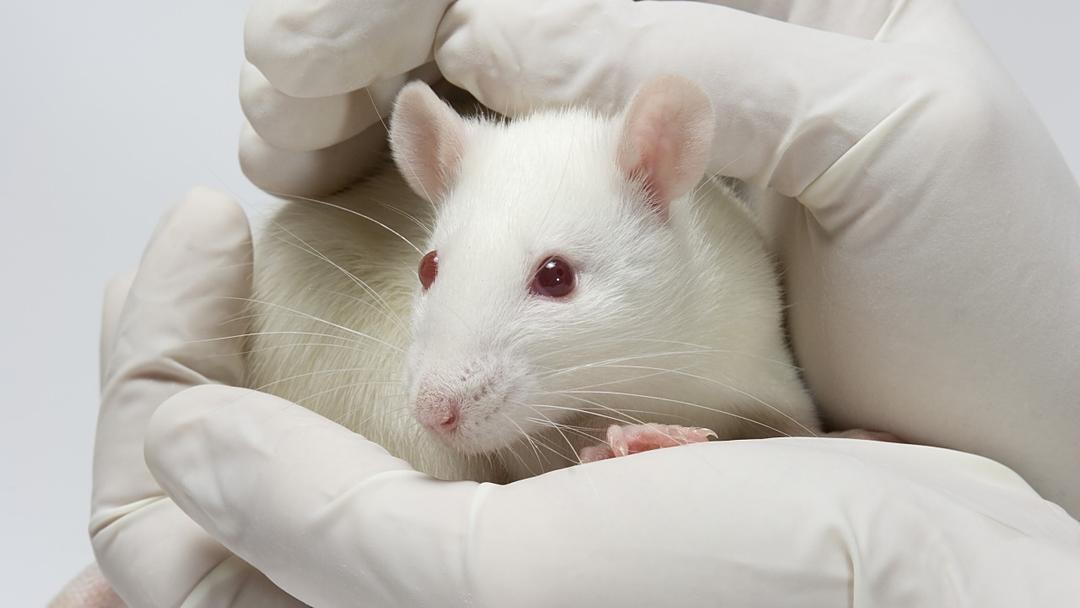
Finally, a model that breaks the wall between lab dishes and real human neurobiology. Human cortical cells grown in mice missing their own cortex expand, wire into the nervous system, reach the spinal cord and even produce specialized neuron types that never show up in a dish. That means real testing grounds for cerebral palsy, dementia and neurodevelopmental disorders — and behavioral tests show no boost to rodent smarts.
Narrative B
Though extraordinary, growing mice with brains that are more than 90% human-derived tissue is a milestone that current oversight systems were never built to handle. Nobody can yet say whether these chimeras carry any human-like capacities of consciousness or cognition, and one-protocol-at-a-time review boards have no view of the field as a whole. Guardrails must be built now, with patients, ethicists and the public as co-designers.
Metaculus Prediction
The Controversies
Go Deeper
© 2026 Improve the News Foundation.
All rights reserved.
Version 7.16.0