Scientists Witness First Real-Time Seafloor Spreading Event
The Spin
Narrative A
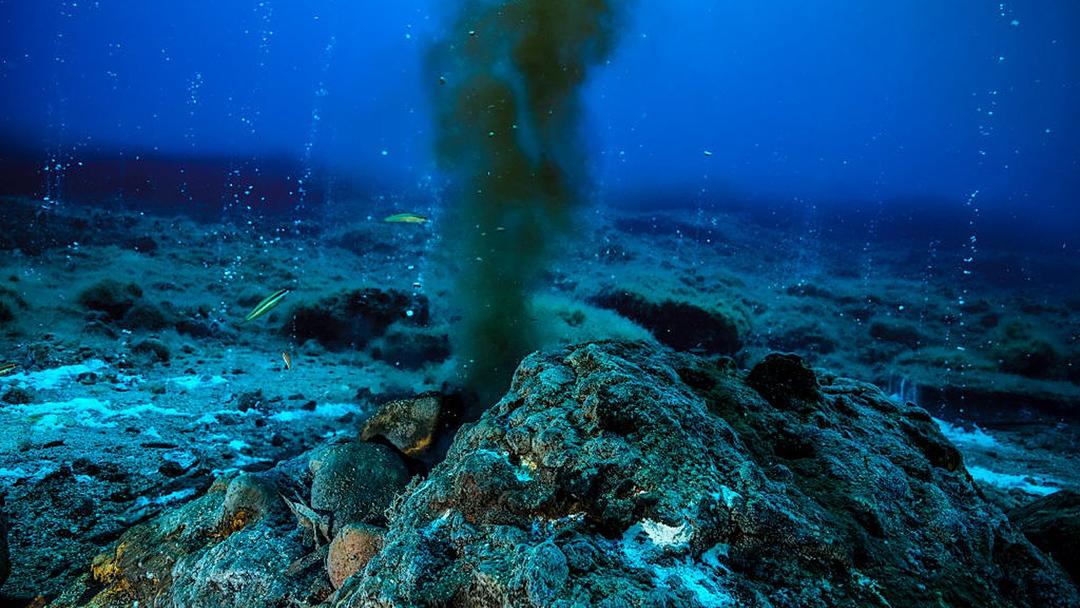
Watching seafloor spreading happen in real time is a major leap forward for understanding how new oceanic crust forms. The first-ever in situ observations at a mid-ocean ridge in the Indian Ocean captured 4 meters of seafloor subsidence, over a meter of horizontal extension and roughly 160 million cubic meters of lava erupting in about 16 days. This direct evidence fills decades-long gaps in knowledge about how spreading segments actually work.
Narrative B
Another revelation here isn't just that scientists caught seafloor spreading live, it's what the data exposed about silent fault motion. The fault shifted roughly two meters, but earthquakes only accounted for 10 to 20 centimeters, meaning the rest happened aseismically and appears tied to magma movement. That direct link between magma and quiet slip reframes how mid-ocean ridge faults accumulate displacement and why they produce fewer earthquakes than expected.
Metaculus Prediction
© 2026 Improve the News Foundation.
All rights reserved.
Version 7.15.0