S. Africa Marks 50 Years Since Soweto Uprising

The Facts
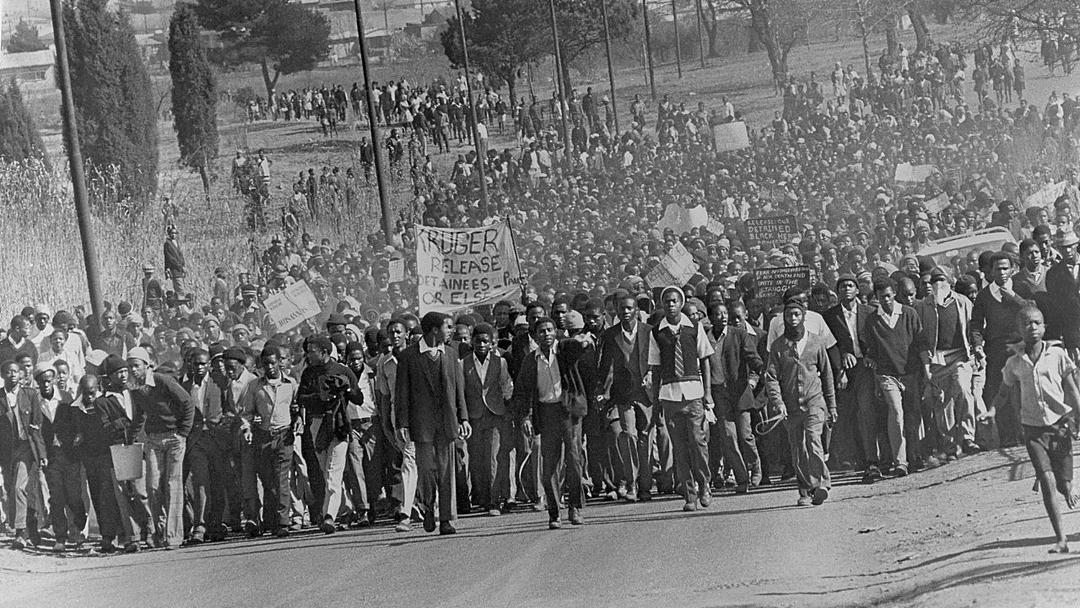
- South Africa on Tuesday marked the 50th anniversary of the Soweto uprising, in which more than 200 students protesting the apartheid education system were shot and killed by police on June 16, 1976. The date is now commemorated annually as Youth Day.
- The students had planned a peaceful march to Orlando Stadium to protest the apartheid government's directive requiring Black schools to teach subjects in Afrikaans. Police blocked their route and opened fire using tear gas and live ammunition.
- Among the first to die was 13-year-old Hector Pieterson. Photographer Sam Nzima's image of Pieterson's body being carried by another student became a defining symbol of the uprising and shocked the world. Within a year, the U.N. Security Council imposed an arms embargo on South Africa.


Sources Split
LEFT
CENTER
RIGHT
+3
+1
+4


ESTAB
CRIT
CENTER
PRO
ESTAB
The Spin
Pro-government narrative
The Soweto Uprising wasn't just a local tragedy — it was a seismic moment that cracked apartheid's global legitimacy wide open. Police gunning down schoolchildren, including 13-year-old Hector Pieterson, forced the world to act, triggering U.N. arms embargoes, Olympic boycotts and economic sanctions. That student march toward Orlando Stadium proved that organized resistance, even from the youngest and most vulnerable, can bring an entrenched system to its knees.

Government-critical narrative
Fifty years after Soweto, South Africa's youth are still fighting — just for different things. Youth unemployment stands at 60.9% among those aged 15 to 24, NSFAS remains plagued by governance failures, and gender-based violence continues to scar communities. The generation of 1976 bled for a better future, yet many of those promises remain unfulfilled. Today’s young South Africans are once again marching for opportunity, dignity and a future they were told would be theirs.
Establishment-critical narrative
Fifty years after Soweto, Western leaders still celebrate the students who challenged apartheid. Less discussed is how long many Western governments treated Pretoria as a strategic partner, sustaining the regime through trade, investment and Cold War calculations while offering only limited criticism. The youth of 1976 were confronting not only apartheid at home, but also an international order that tolerated it for decades despite its democratic rhetoric.
