Rare Nanotyrannus Skeleton Sells for $47.3M at Sotheby's
The Facts
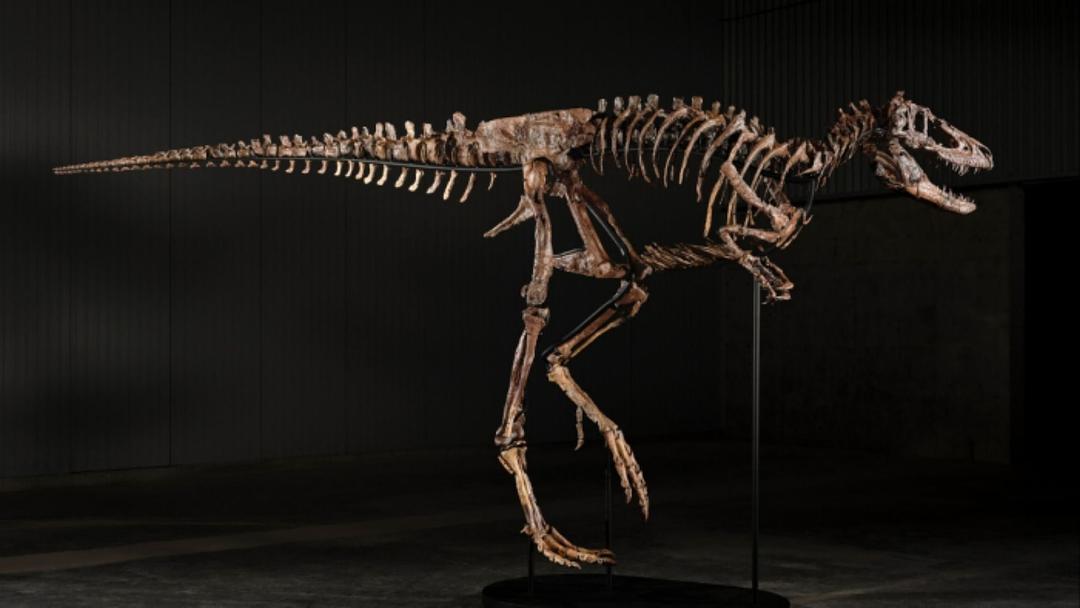
- A rare Nanotyrannus skeleton nicknamed Jodi sold for $47.3 million at Sotheby's in New York on Tuesday, far exceeding the auction house's pre-sale estimate of $6 million to $9 million. Nanotyrannus is a smaller relative of the Tyrannosaurus rex.
- Six prospective buyers competed online and by phone during the roughly 12-minute live auction. The winning bidder, who secured the skeleton by telephone, has chosen to remain anonymous and has not been identified publicly.
- The sale makes Jodi the second-most valuable dinosaur fossil ever sold at auction, behind Gus, a Tyrannosaurus rex that fetched $50.1 million at Sotheby's in July. A Stegosaurus named Apex sold for $44.6 million in 2024.


Sources Split
LEFT
CENTER
RIGHT
+1


+1
ESTAB
CRIT
CENTER
PRO
ESTAB
The Spin
Narrative A
Fossils have earned a spot alongside fine art and rare cars as a serious asset class, and the bidding war proves it. Blowing past the high estimate by more than five times shows real buyers, real demand and real competition. Private money chasing these finds funds more digging and pulls additional rare specimens out of the dirt before erosion destroys them.

Narrative B
Letting a one-of-three skeleton vanish into a private vault robs science of a specimen that just rewrote the T. rex family tree. No museum or university can compete with eight-figure bids, so the public loses twice — on research and on the wonder these bones spark in kids. Rare fossils belong on public display, open to study, rather than locked away in storage.
© 2026 Improve the News Foundation.
All rights reserved.
Version 7.18.3