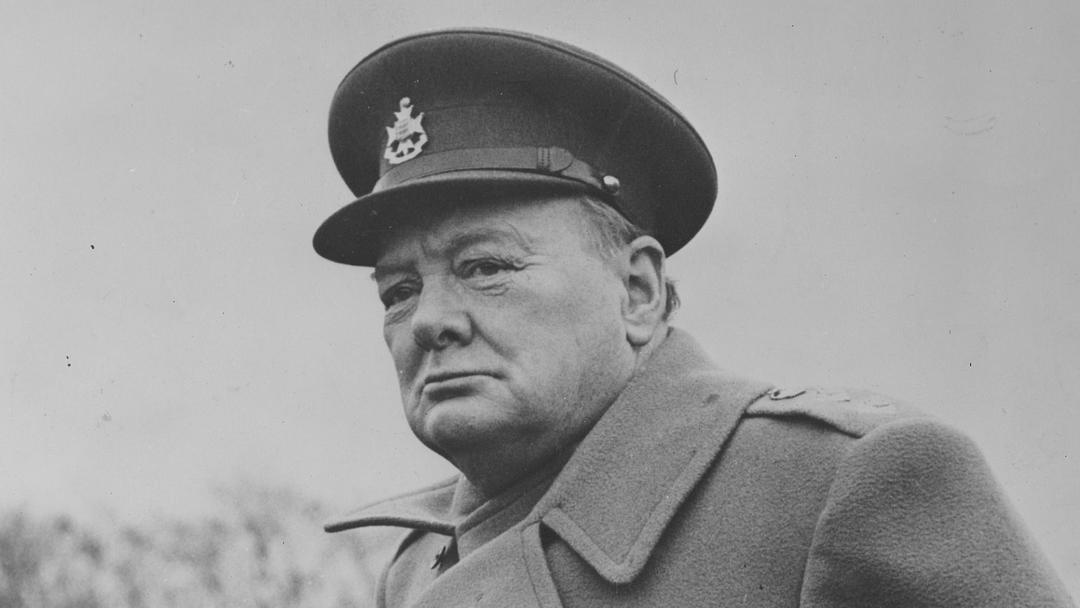
NPG Art Claims Churchill Deliberately Starved Indians
The Spin
Left narrative
Churchill's role in the Bengal famine wasn't just the result of a difficult wartime climate, it was deliberate cruelty rooted in racism. He diverted food from starving Bengalis to European stockpiles, rejected offers of American and Canadian aid, and blamed the famine on Indians "breeding like rabbits." His own Secretary of State for India said he saw little difference between Churchill's outlook and Hitler's.
Right narrative
The National Portrait Gallery's claim that Churchill deliberately starved Indians is flatly wrong. His War Cabinet shipped roughly a million tons of grain to India between August 1943 and December 1944, all while battling Japanese submarines, a crippling shipping crisis and Roosevelt's refusal to help. Wartime decisions were brutal, but calling them genocide or intentional ignores the documented record.
Establishment-critical narrative
Public institutions are increasingly rushing to "decolonize" history by turning contested interpretations into settled facts. Churchill's record during the Bengal famine remains fiercely debated, yet complex wartime decisions are reduced to simple moral verdicts. History is rarely black and white, and museums should present nuance rather than retrofit the past to modern political fashions.