Nobel Medicine Prize Honors Brain's Light Switch
The Facts
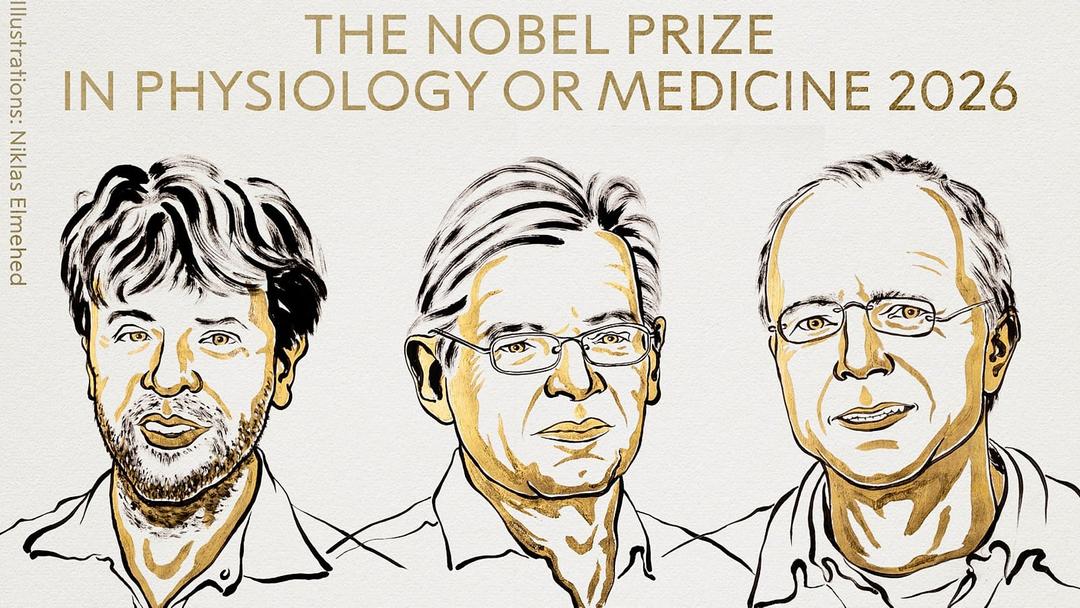
- The 2026 Nobel Prize in Physiology or Medicine was awarded Monday to Karl Deisseroth, Peter Hegemann and Georg Nagel for discoveries concerning light-gated ion channels and optogenetics, a method that switches nerve cells on or off in the living brain.
- Deisseroth, 54, works at Stanford University and the Howard Hughes Medical Institute; Hegemann, 71, is based at Humboldt University of Berlin; and Nagel, 73, is at the University of Würzburg in Germany.
- Hegemann and Nagel discovered channelrhodopsin, a protein in the alga Chlamydomonas that opens in response to blue light and lets charged ions flow into cells. Deisseroth then inserted the gene into rodent nerve cells, allowing them to fire with light.


Sources Split
LEFT
CENTER
RIGHT
+2
+2
+1
+1
ESTAB
CRIT
CENTER
PRO
ESTAB
The Spin
Narrative A
The Nobel Prize in Medicine keeps rewarding tidy eureka stories while the people who built entire fields get erased. A three-winner cap and a refusal to honor the dead turn the world's most famous science award into a lottery of timing and personality, not merit. Foundational work on heredity, memory, stem cells, cell signaling and glia deserved gold medals and got silence instead.

Narrative B
Honoring the researchers who gave science a light switch for the brain highlights what the medicine prize exists to do. Sustained public investment in basic research pays off, and celebrating it loudly encourages the next generation to chase hard problems. Recognition like this puts real hope behind treatments for dementia, depression and addiction rather than relitigating old snubs.


© 2026 Improve the News Foundation.
All rights reserved.
Version 7.17.1