Nigeria's Military Frees 360 Boko Haram Hostages
The Facts
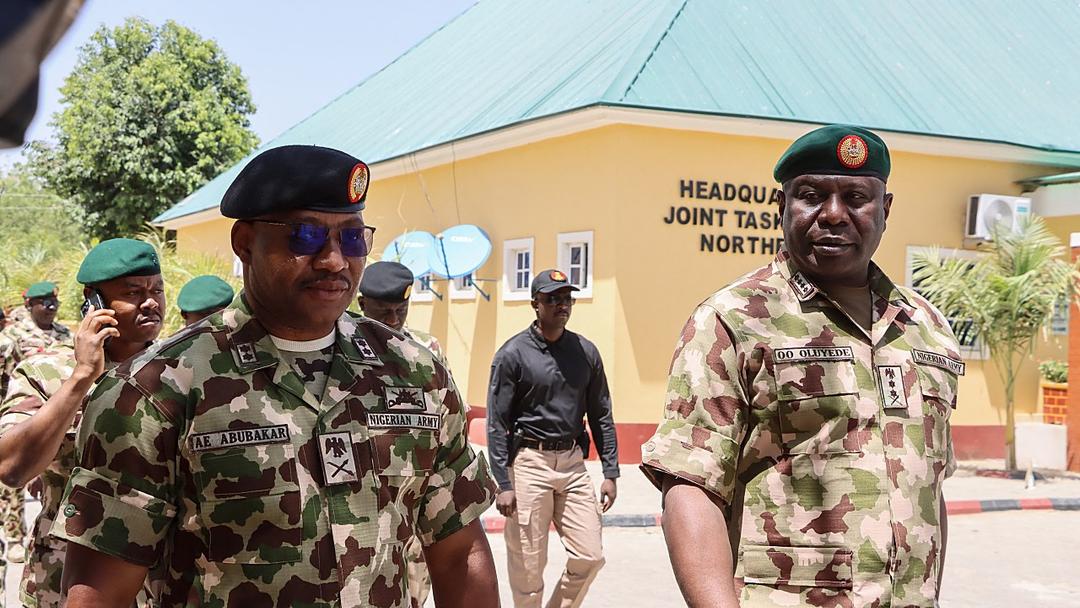
- Nigeria's military said on Sunday that it freed 360 people held by Boko Haram in the Mandara mountains of Borno State over the weekend following a multi-axis operation conducted under cover of darkness, which the army described as one of its most significant hostage rescue operations in the northeast.
- The Borno South Youth Alliance put the number of freed captives at 416, saying its advocacy and engagement with militants secured their unconditional release on June 6. The military's account and the youth group's account of how the release was secured remain disputed.
- Two infants died from exhaustion during captivity, according to army spokesperson Haruna Sani. The remaining hostages were evacuated for medical care and humanitarian support after a joint task force, including special forces, drove the militants from their positions, the military said.


Sources Split
LEFT
CENTER
RIGHT
+1
+1
+3
+1
+1
ESTAB
CRIT
CENTER
PRO
ESTAB
The Spin
Pro-government narrative
Nigeria's military pulled off a genuinely impressive intelligence-led night raid, freeing 360 Boko Haram hostages through weeks of surveillance, drone reconnaissance and psychological operations that shattered insurgent command before a single shot was fired. U.S. MQ-9 Reaper drones and 200 American trainers are now backing Nigerian forces, and a joint operation already killed 175 ISWAP fighters. This is what sustained, coordinated pressure looks like — and it's working.

Government-critical narrative
Freeing 360 hostages is a tactical victory, but it cannot hide a strategic failure. Boko Haram has built a thriving kidnapping economy because the Nigerian state no longer fully controls its own territory, while terrorism deaths continue to rise. With ISWAP and Boko Haram responsible for 82.8% of terrorism deaths in 2025, talk of negotiating with jihadists looks less like pragmatism and more like an admission that the state is losing its monopoly on violence.


Establishment-critical narrative
The rescue of 360 hostages should be celebrated, but it also exposes a deeper hypocrisy in the global conversation about human rights. Mass kidnappings, murdered children and years of jihadist terror in Nigeria rarely generate the sustained outrage, protests or diplomatic urgency seen in other conflicts, reinforcing the perception that some victims simply matter less than others. Selective compassion is not moral leadership — it is a hierarchy of human suffering.