New York City-Owned Grocery Plan Faces Legal Battle

The Facts
- The Multicultural Business Coalition filed two lawsuits in New York State Supreme Court on Monday seeking to block Mayor Zohran Mamdani's plan to open five city-owned grocery stores, one in each borough, by 2029.
- One lawsuit alleges the plan violates state civil rights laws and the equal protection clause of the State Constitution, while a second argues the city lacks the authority to create the stores.
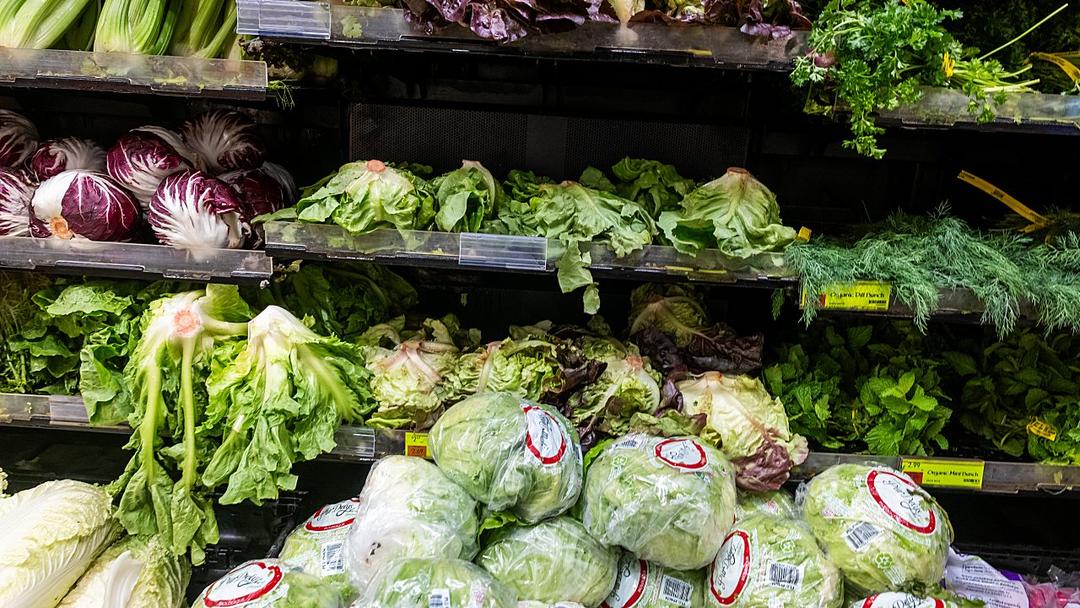
- The city has allocated $70 million to build the stores, which will be operated by private contractors and are required to offer a core basket of staples — including produce, meat, milk, cheese and bread — at 30% below typical retail prices.


Sources Split
LEFT
CENTER
RIGHT


+1
ESTAB
CRIT
CENTER
PRO
ESTAB
The Spin
Right narrative
Government-run grocery stores are a direct threat to the immigrant-owned bodegas and small businesses that built New York City's neighborhoods. Selling food at a 30% loss to undercut private competitors is using taxpayer money to destroy minority-owned businesses without even bothering to study the economic damage first. If this plan moves forward unchallenged, decades of immigrant entrepreneurship get wiped out by a mayor who never once sat down with the communities he claims to champion.
Left narrative
When private grocers abandon low-income neighborhoods and over 3 million New Yorkers lack reliable access to fresh food, waiting on the market to fix itself isn't a strategy. City-run grocery stores also aren't some radical experiment, as military commissaries and state-run stores already prove public provisioning works. Five stores in a city of 8.5 million people isn't a government takeover, but rather basic infrastructure filling a gap that profit-driven chains created and refuse to fix.

Narrative C
New Yorkers backed Mamdani not for economic genius but for willingness to try beyond the status quo. Mayors hold broad power to curb corrupt practices from government or private actors. His grocery stores may not succeed, yet that's not his sole approach. He's also cutting red tape on small businesses and can challenge private price-floor deals between suppliers and large grocery stores. This doesn't have to be a divisive issue, and Mamdani should have the freedom to implement what works and scrap what doesn't.