Neanderthal-Human Mating Was Mostly Male-Female, DNA Shows
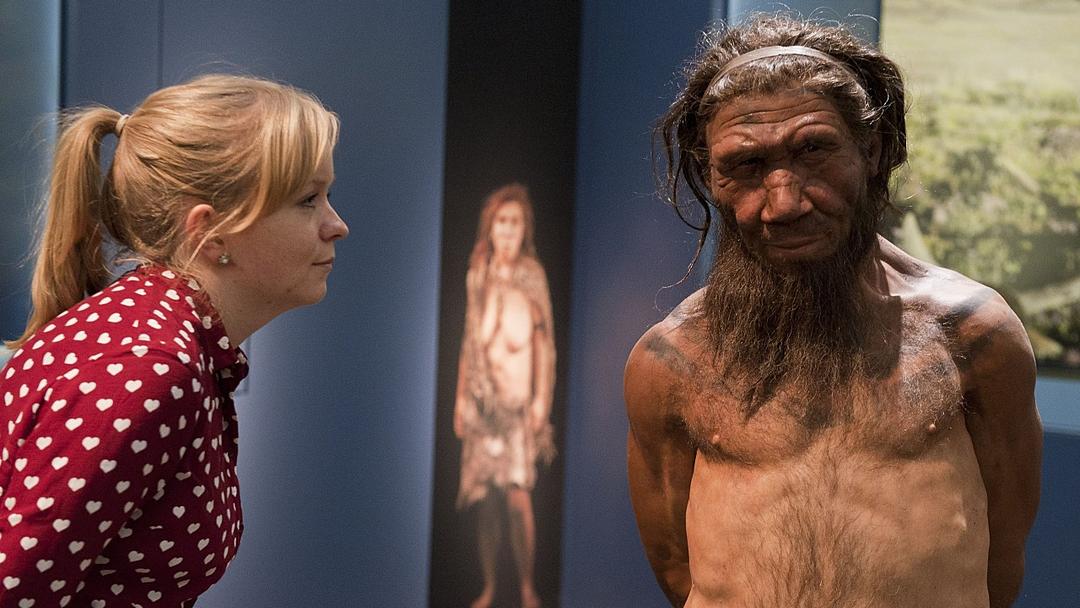
The Facts
- Researchers at the University of Pennsylvania analyzed Neanderthal and modern human genomes and found that modern human X chromosomes contain significantly less Neanderthal DNA than other chromosomes, whereas Neanderthal X chromosomes showed a 62% relative excess of modern human ancestry.
- The genetic analysis suggests that interbreeding between Neanderthals and anatomically modern humans was primarily between male Neanderthals and female Homo sapiens, according to the study published in the journal Science on Thursday.
- Scientists had previously assumed that Neanderthal DNA deserts on the human X chromosome existed because certain Neanderthal genes were biologically incompatible with humans and were eliminated by natural selection, but the new research challenges this assumption.


Sources Split
LEFT
CENTER
RIGHT
+2
+2
+1
+3
ESTAB
CRIT
CENTER
PRO
ESTAB
The Spin
Narrative A
Ancient DNA shows a striking sex-biased pattern: male Neanderthals consistently mated with female Homo sapiens, leaving measurable signatures on the X chromosome. This discovery challenges the traditional clinical view that gene flow was purely biological, revealing that social behaviors, mate preferences and cultural strategies influenced which genes persisted, leaving a lasting imprint of human choices on our DNA.

Narrative B
Genomes may reveal a clear sex bias, but they cannot explain why male Neanderthals paired with female Homo sapiens. Genetics alone can’t determine whether this reflects mutual attraction, social strategy or coercion. Archaeological evidence is sparse, and evolutionary theory suggests female choice was at least as plausible. What remains most compelling is the human question behind the genome — who chose whom, and what shaped these encounters?


Metaculus Prediction
© 2026 Improve the News Foundation.
All rights reserved.
Version 7.18.2