Minnesota Fraud Scandal



Overview
- During COVID-19, federal emergency measures relaxed oversight across social programs, which authorities say enabled large-scale fraud. Minnesota became the most visible test case as alleged fraud spread across multiple federally funded programs. The largest involved Feeding Our Future, a nonprofit whose founder Aimee Bock was convicted in March 2025 of stealing over $250 million via fabricated child-nutrition claims.
- The fraud was not limited to nutrition programs. Minnesota's Medicaid-funded Housing Stabilization Services (HSS) also grew from an estimated $2.6 million annually to over $100 million by 2024, with the Department of Justice (DOJ) charging eight in September 2025 and more in December, including in "fraud tourism" cases.
- Public attention widened further when a viral Dec. 26, 2025, video from YouTuber Nick Shirley alleged daycare fraud, prompting the U.S. Department of Health and Human Services (HHS) to freeze federal child care payments to Minnesota, and to require enhanced verification nationwide. Minnesota inspectors later said the centers were operating as expected, and licensing reviews found active licenses and recent inspections.


Sources Split
LEFT
CENTER
RIGHT
+5
+1


+2

+1
+2

+2


ESTAB
CRIT
CENTER
PRO
ESTAB
The Spin
Right narrative
Minnesota has showcased how progressive government now mirrors John Maynard Keynes's hole-digging parable: dysfunction is created, then endlessly funded. In Minnesota, the welfare economy rewarded sham nonprofits, fake services and inflated payrolls while claiming success through job growth. Immigration compounds the problem, expanding demand for benefits without accountability.
Left narrative
This demands accountability, but it also reflects years-long oversight failures in sprawling safety-net systems, not proof that social programs or immigrants are the problem. Prosecutors built cases over time, often under bipartisan rules weakened during COVID. Turning a viral video into funding freezes and immigration crackdowns politicizes enforcement, risks harming compliant providers and families, and racializes a non-racial issue.


Establishment-critical narrative
Minnesota looks less like a partisan scandal than the usual American machine: Washington builds giant welfare and immigration pipelines, skimmed by NGOs, contractors, and connected insiders, then acts surprised when billions vanish. Somali immigration became the perfect flashpoint — real fraud mixed with demographic anxiety — while Trump’s response adds raids, chaos, and theater instead of durable controls.

Somali Immigration
Somalia's modern displacement — which resulted in emigration to the U.S. that has become a key focus in the Minnesota fraud controversy — began following the collapse of the Siad Barre government in 1991.
This led to a prolonged civil war, clan-based conflict and the breakdown of national institutions. With no functioning central state, violence between militias, recurring droughts and periodic famine drove population movements over decades rather than occurring as a single crisis.

U.N. agencies and international relief organizations estimate that more than 1 million Somalis fled the country during the 1990s and early 2000s, while roughly 1.5 million were internally displaced at various points. These figures fluctuated as fighting intensified or subsided, and later emergencies, including the 2011 famine and subsequent drought cycles, renewed displacement and extended refugee status for many families.
The U.S. refugee admissions program opened a pathway for Somalis beginning in 1992, prioritizing individuals who met persecution criteria and completed overseas screening. Admissions varied over time due to shifts in U.S. refugee policy, security vetting standards and annual caps, with many arrivals having spent years or decades in refugee camps in Kenya and Ethiopia before resettlement.
Why Minnesota?
Minnesota became a primary destination due to a combination of economic opportunity, institutional capacity and social networks rather than centralized placement decisions. Early arrivals in the early 1990s found work in meatpacking plants in southwestern Minnesota, particularly in Marshall, where jobs required limited English proficiency and offered rapid entry into the labor market.
Refugee resettlement agencies, including Lutheran Social Services, Catholic Charities and the International Institute, expanded local capacity to provide housing assistance, job placement and language services. This infrastructure strengthened Minnesota's role in both initial resettlement and later secondary migration.
As a core community formed, additional Somali refugees relocated from other states, including New York, Texas and California, citing lower housing costs, access to services and family or clan connections. Some community members describe "martisoor," or hospitality, as a cultural factor encouraging chain migration. Some policy analysts have cited welfare availability and nonprofit density as additional pull factors.
Community Formation
By the mid-1990s, the Cedar-Riverside neighborhood of Minneapolis became a central hub, anchored by affordable high-rise housing and proximity to social services. The Confederation of Somali Community was established in 1994, serving as an umbrella organization for civic engagement, cultural preservation and service coordination.
Religious institutions, grocery stores, restaurants and Somali-language media followed, creating a local ecosystem that supported new arrivals and reinforced neighborhood stability. Cedar-Riverside developed into both a symbolic and functional center for the broader regional community.

Later migration waves included refugees, students, professionals and family members admitted through reunification programs. These cohorts diversified the community’s socioeconomic profile and contributed to the growth of Somali-owned businesses, professional associations and advocacy organizations, while also expanding settlement beyond the original urban core.
Demographics and Scale
Minnesota today hosts the largest Somali population in the U.S., with estimates ranging from approximately 80,000 to more than 100,000 people. Most reside in the Minneapolis–St. Paul metropolitan area, where estimates place the population at roughly 84,000, though counts vary based on census self-identification, school enrollment data and community surveys.
A majority of Somali Minnesotans are U.S. citizens by birth or naturalization. Recent demographic profiles suggest roughly 58% are U.S.-born, reflecting a young age structure and higher fertility rates in earlier decades. Households tend to be larger than state averages, and multilingualism is common, with Somali widely spoken at home alongside English. English proficiency has improved over time, particularly among younger generations educated in U.S. schools, though adult language acquisition remains uneven.
Integration and Challenges
Economic outcomes within the community are mixed. State profiles and interviews cite upward mobility in trucking, health care, retail, food service and small business ownership, alongside growing participation in public service and elected office.
At the same time, poverty rates remain higher than state averages, and many households face housing cost burdens and employment barriers. Challenges include language gaps, credential transferability issues and discrimination in labor and housing markets.
Security and integration debates intensified after 9/11, with federal investigations and media coverage highlighting a small number of terrorism-related cases. Federal officials stated that heightened scrutiny was necessary for national security. Some Somali community leaders said that broad suspicion contributed to stigma and reduced trust, prompting expanded youth engagement and civic initiatives.


The Spin
Democratic narrative
Somali Minnesotans fled war and rebuilt their lives while strengthening Minnesota in the process. Today they anchor neighborhoods, start businesses, staff critical industries and raise a young workforce that fuels long-term growth. Their economic contributions, tax payments and civic engagement show that welcoming refugees is not charity but an investment that has paid off for the state as a whole.


Republican narrative
Somali immigration to Minnesota reflects a failure to prioritize assimilation and accountability. Large-scale refugee resettlement — something that's not common in the U.S. — strains public services and welfare budgets, with the costs often outweighing any benefits. Generous welfare without strict work and integration expectations are draining economies like Minnesota's, weakening social cohesion and encouraging exploitation.


US Welfare Fraud
Federal estimates show that improper payments across U.S. government programs totaled $162 billion in the 2024 financial year.
These figures include overpayments, underpayments and documentation errors and are not equivalent to proven fraud. Using broader methodologies, the Government Accountability Office (GAO) has estimated that fraud and improper payments combined may reach into the hundreds of billions of dollars annually across federal agencies. These estimates capture systemic exposure across programs, but aggregate different types of errors, ranging from administrative mistakes to intentional misrepresentation.
Oversight officials and policy analysts state that improper payment figures indicate control weaknesses rather than adjudicated wrongdoing. Some losses are later recovered through audits or repayments, while others persist due to fragmented data systems, limited verification tools and uneven oversight capacity. Disagreement remains over how much of the total reflects fraud versus administrative error. Government oversight bodies have stated that stronger internal controls are needed to reduce improper payments.
Criminal Case Profile
Federal sentencing data indicate that 937 defendants were convicted of government benefits fraud in FY2024, representing a 242% increase from FY2020. The average sentence was approximately 16 months, with most offenders having limited or no prior criminal history. These cases span multiple programs and reflect only criminal prosecutions that reached conviction.
Justice Department (DOJ) officials say that criminal case counts represent a narrow subset of total losses. Many improper payments are addressed through civil enforcement, administrative recovery or repayment agreements, while others are never detected. Enforcement data therefore provide insight into prosecutorial priorities and investigative capacity rather than a comprehensive measure of fraud prevalence.
SNAP: Perception vs Reality
Supplemental Nutrition Assistance Program (SNAP) trafficking and fraud rates are estimated by federal reviews at approximately 1–2% of total benefits, with most violations involving retailers rather than households. Payment error rates rose during the COVID-19 period due to administrative strain. Household-level fraud accounts for a small share of total program spending relative to the size of the caseload.
Public opinion surveys indicate that a majority of Americans believe SNAP fraud is widespread, sparking debate over whether or not minimal fraud shows a need for stronger oversight or proves social programs' success.
COVID-19 and UI Fraud
Pandemic-era relief programs, particularly unemployment insurance (UI), experienced elevated levels of fraud and improper payments. Emergency measures relaxed eligibility requirements and accelerated benefit delivery, which audits found reduced verification controls.
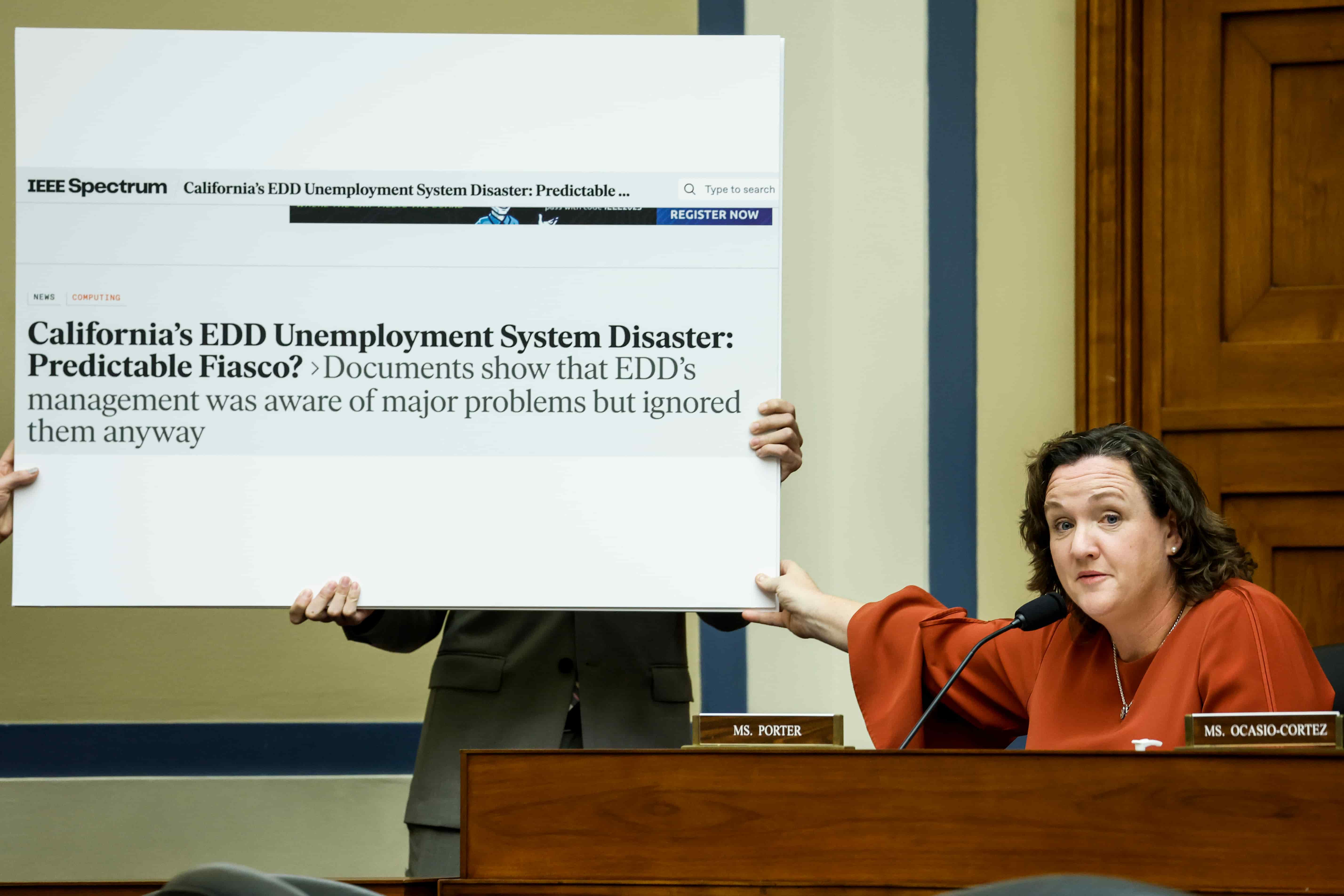
The DOJ's COVID-19 Fraud Enforcement Task Force reported charging more than 3,500 defendants, seizing or forfeiting over $1.4 billion and pursuing hundreds of civil actions by 2024. Officials state that enforcement is ongoing, and have cited statute-of-limitations extensions and expanded data analytics as tools to recover additional funds and disrupt organized fraud operations.
Medicaid/Medicare and Provider Schemes
Health care programs account for the largest share of improper payments by dollar value. Medicaid and Medicare enforcement actions routinely involve provider overbilling, kickbacks, phantom services and eligibility misreporting, particularly in long-term care and home-based services. Federal and state audits consistently identify documentation deficiencies and billing irregularities even in the absence of criminal intent.
Feeding Our Future
Feeding Our Future, founded in 2016, became the focal point of a pandemic-era fraud scheme that federal authorities allege diverted more than $250 million from child nutrition programs.
Many defendants charged in the case were Somali American or of Somali origin, reflecting the demographics of neighborhoods where the nonprofit operated and where a significant share of meal sites were located. Prosecutors and court filings stated that the investigation targeted specific organizations and individuals rather than the Somali community as a whole. The concentration of cases drew national attention to Minnesota's Somali population.
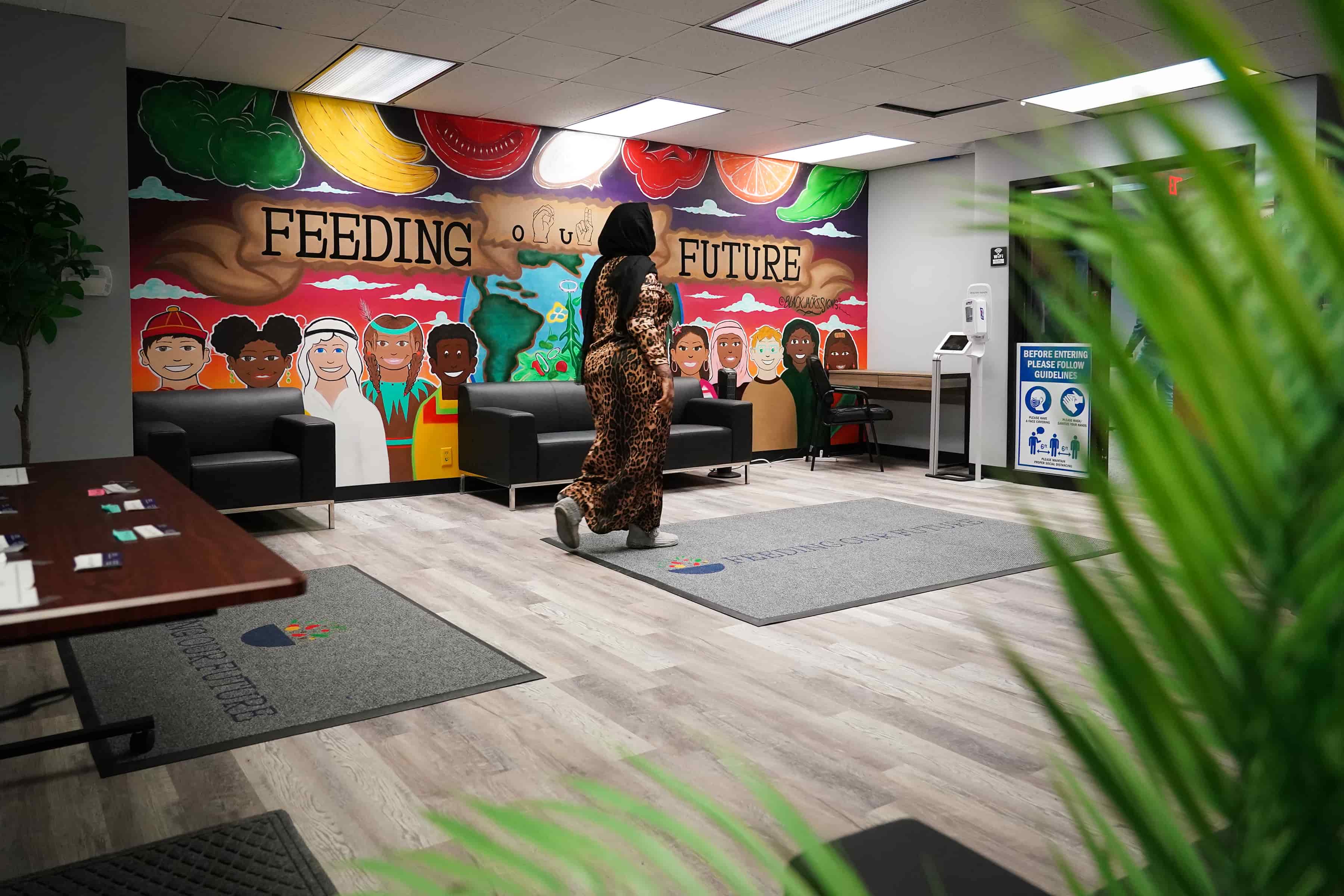
Court records allege that Feeding Our Future and affiliated entities created sham meal sites across Minnesota, submitted fabricated attendance rosters and invoices, and claimed reimbursement for meals purportedly served to children who did not exist or were not present. The nonprofit served as a sponsor within the Federal Child Nutrition Program, a role that allowed it to approve sites and pass through federal reimbursements.
During the COVID-19 pandemic, USDA waivers temporarily eased site-approval rules and documentation requirements, expanding eligibility to include for-profit restaurants and off-site food distribution. Investigators later said those changes were exploited by some sponsors and vendors, though oversight authority formally rested with both federal program rules and state administering agencies.
Prosecutions and Verdicts
Criminal cases advanced through a mix of jury trials and plea agreements from 2022 through 2025. In March 2025, a federal jury convicted Aimee Bock, Feeding Our Future's founder and executive director, and Salim Said, a restaurant operator affiliated with sponsored sites, on multiple felony counts including wire fraud, bribery and conspiracy.
By late 2025, more than 50 defendants had entered guilty pleas, while additional cases remained pending. DOJ officials stated that defendants came from varied backgrounds but acknowledged that many were connected through shared community, business or family networks common within immigrant communities, including Somali Minnesotans.
Several Somali organizations cooperated with investigators or issued statements condemning fraud, and warned that broad public framing could stigmatize law-abiding residents and business owners.
Modus Operandi
According to indictments and FBI affidavits, Feeding Our Future approved hundreds of meal sites that rapidly claimed to be serving thousands of children per day, often within weeks of opening. Investigators alleged that many sites relied on spreadsheet-generated names, randomly assigned ages and repetitive entries to substantiate reimbursement claims.
Funds flowed from federal reimbursements through the nonprofit sponsor to restaurants and vendor entities, with prosecutors alleging that bribes and kickbacks were used to secure approvals and continued payments. These payments were often described as consulting fees or administrative expenses and routed through shell companies.
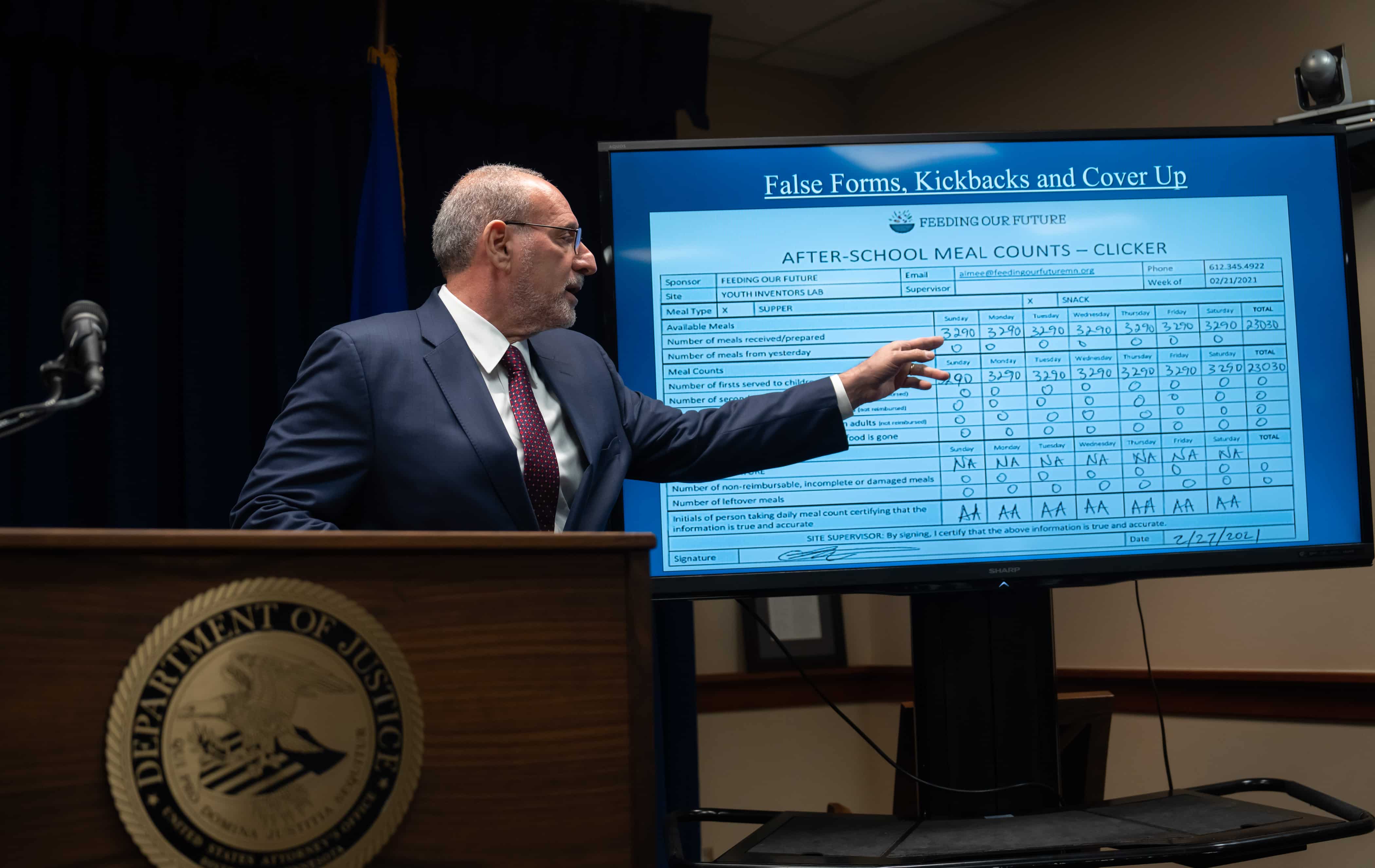
Court evidence highlighted sharp revenue increases at certain sites after enrollment. In one example cited at trial, Safari Restaurant, previously reporting approximately $600,000 in annual revenue, claimed to be serving thousands of meals per day shortly after joining the program and reported millions of meals served over the life of the scheme.
Asset Recovery and Forfeitures
Federal authorities have seized and sought forfeiture of assets allegedly purchased with fraud proceeds, including luxury vehicles, electronics and jewelry. Real estate holdings tied to defendants were identified in Minnesota and other U.S. states, as well as overseas properties.
Investigators also traced funds to international transfers and accounts, including transactions involving countries with large Somali diasporas. Officials said such transfers complicated recovery efforts but noted that international remittances are common within immigrant communities and not inherently illegal absent fraudulent origin.
By late 2025, authorities stated that a portion of total alleged losses had been recovered. Asset forfeiture proceedings continue separately from sentencing and may extend for years.
Broader Implications
The Feeding Our Future case prompted widespread reviews of pandemic-era waivers that relaxed oversight and documentation in nutrition programs. Federal and state agencies cited the case in reassessments of sponsor approval processes, payment verification and audit triggers.
Somali community leaders reported increased public scrutiny and fear of collective blame following national coverage of the case. At the same time, several Somali-led organizations called for stronger internal governance, transparency and compliance training to prevent future abuse and protect community institutions.
Officials emphasized that subsequent investigations into housing, health care and social services are legally distinct from the nutrition case.
Housing Fraud
Minnesota's Housing Stabilization Services (HSS), launched with federal Medicaid support, was intended to help people with disabilities and seniors find and keep housing.
The program covered services such as housing consultation, transition assistance and housing sustaining support and was administered by DHS with federal Medicaid matching funds. It was designed to address housing instability among vulnerable populations, including individuals leaving institutional care, people with disabilities and seniors at risk of homelessness, by reimbursing non-medical, support-oriented services delivered by enrolled providers.

Spending grew rapidly after launch. Program costs increased from an estimated $2.6 million annually prior to full implementation to more than $100 million by 2024, driven by swift provider enrollment, expanded billing volume and limited contemporaneous documentation requirements. Oversight reviews later noted that many providers operated in urban areas with high concentrations of Medicaid recipients and immigrant populations, where housing instability and language-access needs were already elevated.
Fraud Discovery and Charges
In 2025, state and federal investigators identified what authorities described as "credible allegations of fraud" within HSS, prompting payment withholds and heightened review. By late 2025, DHS moved to terminate the program entirely while federal prosecutors announced criminal charges against multiple individuals and entities tied to HSS billing.
Charging documents allege that some providers submitted claims for services that were not rendered or were materially inflated. Prosecutors described coordinated activity among certain defendants, including the use of shell entities and related businesses to receive and move funds, with several charged providers reportedly operating in immigrant-dense neighborhoods, reflecting where HSS services were most heavily utilized rather than a targeting of any specific community.
Court filings also referenced instances of "fraud tourism," in which individuals allegedly traveled from out of state to enroll as providers or participants in HSS, then billed large volumes of services over short periods. Authorities said proceeds were sometimes laundered through other businesses or personal accounts, though cases remain at different procedural stages.
Mechanics and Vulnerabilities
HSS allegedly allowed billing for services that were difficult to independently verify, such as housing coaching, paperwork assistance and follow-up support. Investigators alleged that some providers recruited beneficiaries from treatment centers, shelters and supportive housing facilities, then billed at high service intensities regardless of actual contact.
Prosecutors stated that service notes were sometimes fabricated or reused across clients, with identical language supporting repeated claims. Billing data showed sustained maximum reimbursement levels without corresponding individualized documentation.
Officials described HSS as vulnerable due to low barriers to provider entry, limited upfront screening and reliance on post-payment audits. Advocates for immigrant-serving nonprofits later argued that many small providers lacked administrative capacity and compliance training, while enforcement agencies countered that minimal documentation requirements created opportunities for abuse regardless of provider background.
Enforcement and Oversight Actions
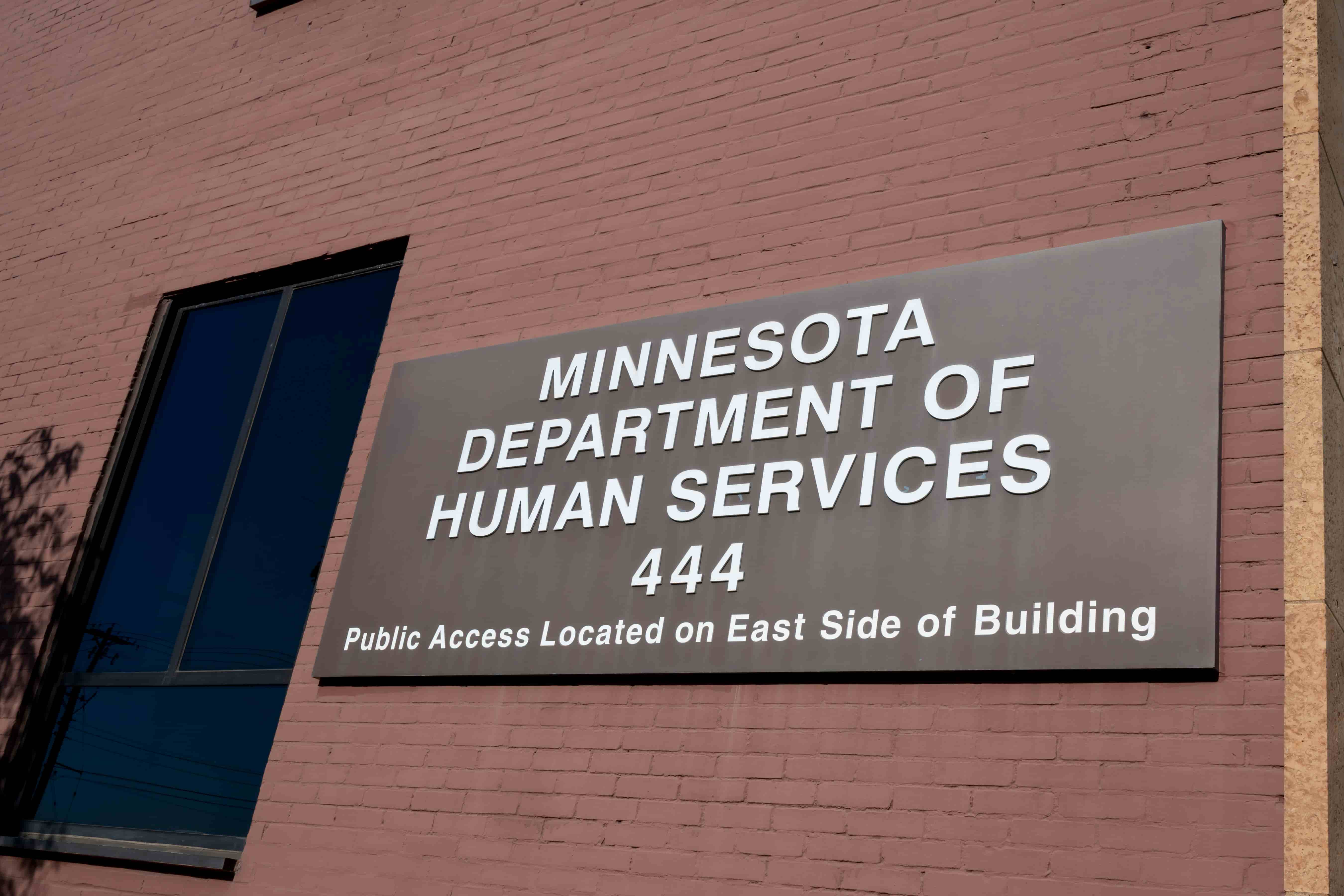
DHS halted payments to dozens of providers as investigations expanded and later shut down the HSS program entirely. State officials said termination was necessary to stop further losses while redesign efforts were considered, including tighter enrollment criteria, stronger identity verification and revised billing rules.
Separately, the U.S. Department of Housing and Urban Development (HUD) opened a civil rights investigation into whether housing policies and enforcement actions in Minneapolis and Minnesota relied on racial classifications or produced unlawful disparate impacts. HUD officials emphasized that the inquiry was distinct from criminal fraud cases and focused on compliance with federal fair housing and civil rights law rather than Medicaid billing.
State and local officials said fraud enforcement actions were driven by billing patterns and evidentiary findings, not race or community affiliation. Policymakers and advocates noted that the overlapping probes underscored tensions between program integrity enforcement and civil rights compliance in systems serving racially and ethnically concentrated populations, shaping future oversight and redesign discussions.
Broader Context
Investigators noted overlaps with other Medicaid-funded services under review (e.g., autism therapy and Integrated Community Supports), indicating potential cross-program schemes.
Child Care Scandal
On Dec. 26, 2025, YouTube creator Nick Shirley posted a 43-minute video alleging massive fraud at Somali-run day care centers.
The video focused on several facilities, including one labeled "Quality Learing Center," instead of "Learning Center," and asserted that providers billed for child care services that were not delivered. Shirley cited locked doors during attempted visits, limited visible activity and the misspelled sign as indicators of potential fraud, presenting these observations as evidence of systemic abuse rather than isolated irregularities.
The video was amplified by political figures, media outlets and online commentators, drawing millions of views within days. Some coverage linked the allegations to prior Minnesota fraud cases and characterized the claims as part of a broader pattern, with public officials and federal agencies responding before formal investigative findings were completed.
Claims of Widespread Fraud
Fans of the video argued that visible inconsistencies at multiple centers suggested large-scale billing abuse rather than administrative error. Commentators and advocacy groups critical of public assistance programs cited the rapid growth of child care funding, limited real-time verification and Minnesota's recent history of fraud cases as indicators that child care subsidies were vulnerable to exploitation.
Several outlets and policy organizations agreed that locked facilities during operating hours, combined with unusually high reimbursement volumes in some neighborhoods, pointed to inflated attendance claims. They contended that on-site inspections alone were insufficient to detect fraud and that financial audits were necessary to uncover patterns similar to those seen in pandemic-era nutrition and housing programs.
Some lawmakers and federal officials said the allegations justified aggressive preventive action, including funding freezes and expanded enforcement presence. They argued that prior Minnesota cases demonstrated that early warning signs were often dismissed as cultural misunderstandings or paperwork issues before later being confirmed as fraud through prosecutions.
Critics of the state's response also pointed to aggregate child care subsidy growth in Minnesota over recent years, noting that total expenditures and provider participation expanded rapidly following pandemic-era policy changes. They argued that similar growth trajectories in prior programs preceded later fraud findings, and that the absence of immediate audit results should not be interpreted as evidence that fraud did not occur.
State Inspections and Evidence
In response, Minnesota's Department of Children, Youth and Families conducted on-site inspections of centers named in the video. State officials reported that the facilities were operating as expected at the time of inspection, with children present at all but one location, which inspectors said had not yet opened for the day.
Licensing records reviewed by media outlets showed that most targeted centers held active licenses and had undergone recent inspections. Some facilities had compliance citations, which officials stated involved administrative or safety issues rather than billing fraud.
State regulators stated that inspections covered multiple centers identified in the video and that most were licensed and operational. Officials added that attendance-based billing systems rely on daily check-in records and subsidy databases not visible during site visits, meaning on-site visits do not by themselves determine whether billing fraud occurred absent financial audits.
Federal Actions
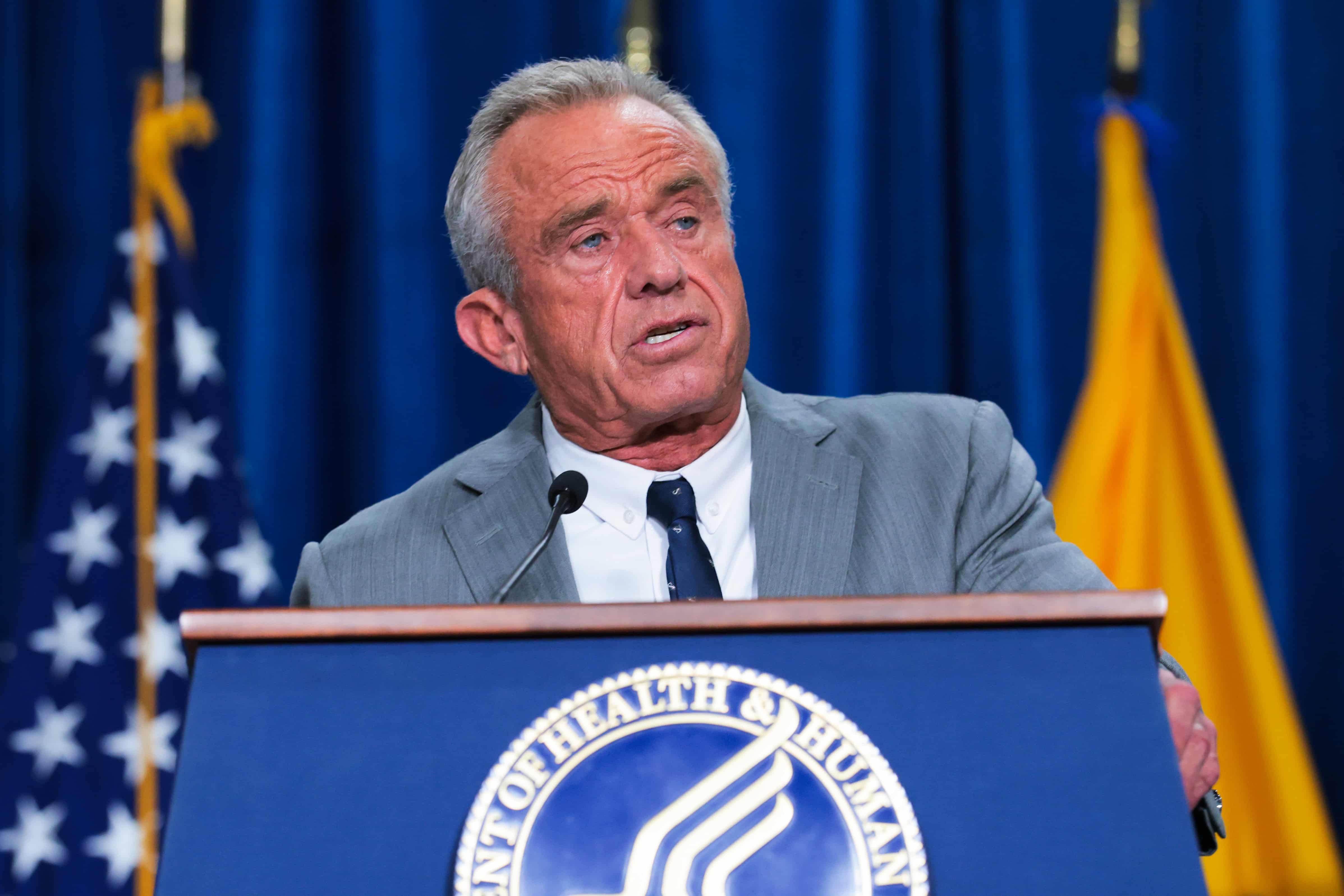
The U.S. Department of Health and Human Services (HHS) froze all federal child care payments to Minnesota pending additional verification, affecting roughly $185 million in annual funding and requiring audits and expanded documentation before funds could resume. Federal officials stated that the freeze reflected the size of the state's subsidy program and federal exposure and was not a determination regarding specific providers named in the video.
Federal officials described the move as precautionary, citing heightened concern following multiple Minnesota fraud cases. DHS and ICE increased personnel presence in the Twin Cities, citing broader fraud enforcement priorities rather than specific child care charges.
Congressional Testimony
In late January, Shirley testified before the House Judiciary Committee, where he said his investigation began after receiving tips from local sources and that he observed what he described as "plain-sight red flags." He described allegedly inactive or "ghost" day care centers that nonetheless received large public payments.
Shirley urged Congress to view Minnesota as part of a broader national problem, stating that weak verification and rapid funding growth invite abuse across states. Republicans treated his testimony as evidence of systemic neglect, while the opposition noted that his claims relied on visual observations and whistleblower accounts rather than completed audits or criminal findings.
Community and Legal Context
Local reporting documented threats, a day care break-in and heightened fear among providers and parents after the video circulated. Some child care workers reported individuals attempting to film facilities without authorization, raising safety and privacy concerns.
Legal analysts and state officials stressed the need to distinguish allegations, compliance issues and criminal fraud. As investigations continued, coverage increasingly emphasized the unresolved nature of the claims and the importance of evidentiary findings, even as political and social consequences unfolded in real time.
Other Programs Scrutinized
Beyond HSS, Minnesota agencies expanded scrutiny to adult day services and Integrated Community Supports (ICS), both Medicaid-funded programs serving people with disabilities and seniors.
State data showed adult day service capacity increased by roughly 43% between 2020 and 2025, while participant counts rose by about 7%, prompting concerns that enrollment growth outpaced demonstrated need. In response, Minnesota imposed a two-year moratorium on new adult day care licenses from February 2026 through January 2028, citing the need to redirect oversight resources toward existing providers.
ICS investigations led DHS to impose payment withholds on numerous providers after identifying what officials described as "credible allegations of fraud," including billing for services not provided or not provided at the intensity claimed. Authorities said the program’s design, which allows billing for up to 24 hours per day of individualized support, created heightened exposure in the absence of real-time verification.
Autism Therapy (EIDBI)
Federal prosecutors also charged multiple defendants connected to autism therapy services under EIDBI, alleging schemes involving unqualified staff, inflated claims and kickbacks paid to parents to enroll children. In 2025, one defendant pleaded guilty to wire fraud, while other cases alleged losses exceeding $6 million and, in one instance, more than $14 million.
Charging documents alleged that some providers employed teenagers or relatives with no formal autism training as behavioral technicians while billing Medicaid for intensive Applied Behavior Analysis services. Prosecutors further alleged that fraudulent documentation was used to secure authorizations, maximize billable hours and justify reimbursements.
Investigators also alleged that some proceeds were transferred overseas, including to accounts and property purchases abroad. State oversight entities cited rapid growth in EIDBI outlays and flagged the program as high risk due to reliance on provider self-attestation and narrative documentation.
Integrated Community Supports: Allegations and Oversight
ICS became a focal point after federal agents executed search warrants and unsealed affidavits alleging extensive billing misconduct by certain providers. Claims included billing Medicaid for daily services over long periods despite limited or no contact with beneficiaries, duplicated time entries and falsified service notes.
In one widely cited case, prosecutors alleged a provider billed more than $1 million for services to a small number of clients, including claims for near-daily care over more than a year. Affidavits described instances in which family members or beneficiaries disputed that services were provided at the levels billed, though such claims remain subject to adjudication.
Officials emphasized that allegations against individual providers do not establish systemic fraud across the program. At the same time, DHS data showed ICS spending grew from approximately $4.6 million in 2021 to more than $170 million in 2024, with cumulative payments exceeding $400 million, intensifying enforcement focus.
Cumulative Exposure
As investigations progressed, prosecutors and state officials reported overlapping individuals, shared recruitment methods and movement of schemes across Medicaid-funded services. By late 2025, criminal cases across nutrition, housing, autism therapy, adult day and ICS programs involved nearly 90 defendants charged or convicted.
Enforcement actions included search warrants, provider license suspensions, payment withholds and asset seizures. Officials described the pattern as scheme migration toward programs with rapid growth, low entry barriers and limited prepayment review.
Defense attorneys and some advocates cautioned that rapid expansion of enforcement risked conflating allegations with findings. They emphasized that information and indictments are allegations, and defendants are presumed innocent unless convicted.
Policy Response
State and federal authorities implemented licensing moratoria, payment suspensions, enhanced provider screening and prepayment review across programs deemed high risk. DHS expanded cross-program analytics to identify shared addresses, bank accounts and billing anomalies, while the Attorney General’s office and federal agencies coordinated investigations, search warrants and asset recovery.
Officials said the objective was to shift from reactive enforcement to prevention by strengthening upfront provider vetting and concentrating oversight where return on investment was highest. They emphasized that the approach aimed to protect beneficiaries and compliant providers while reducing opportunities for large-scale fraud.
Republican Response
Following renewed attention to fraud allegations in Minnesota, the Trump administration intensified immigration enforcement activity in the state.
DHS announced in December 2025 a surge operation in the Minneapolis–St. Paul area involving ICE, CBP and Homeland Security Investigations, with reports of up to roughly 2,000 federal personnel over a 30-day period.
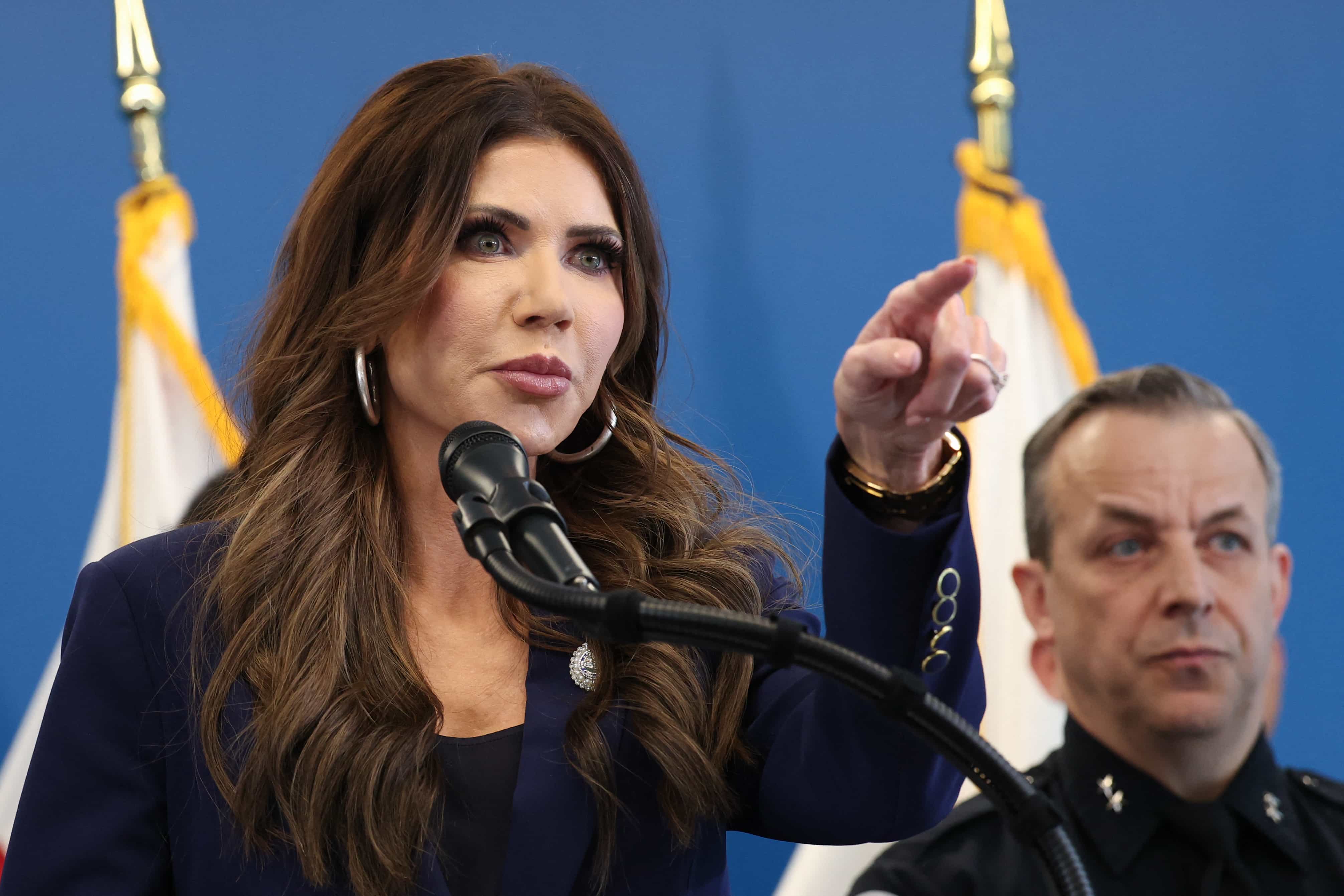
Federal officials said the operation focused on individuals with outstanding removal orders, criminal histories or alleged links to fraud investigations. DHS releases highlighted arrests and ongoing investigations, while administration officials framed the surge as part of a broader effort to disrupt fraud networks and associated money laundering.
State and local officials acknowledged the scale of the operation, but emphasized that most Somali Minnesotans are U.S. citizens or lawful residents.
Funding and Program Actions
Republican-led federal agencies took parallel actions targeting program funding and oversight. HHS froze Minnesota's federal child care payments, pending verification and audits after the viral video, describing the move as a "defend the spend" approach to the Administration for Children and Families payments.
The administration in December announced expanded reviews of Medicaid billing in programs it described as high risk, including child care, housing-related services and disability supports. Treasury and DOJ statements referenced efforts to trace fraud proceeds, including concerns about overseas transfers and coordination with financial institutions.
Following months of federal scrutiny, Vice President J.D. Vance announced that HHS would withhold more than $259 million in federal Medicaid matching funds for Minnesota, giving the state 60 days to "[take] its obligations seriously to stop the fraud."
Political Rhetoric
Trump repeatedly cited Minnesota as an example of what he called Democratic mismanagement, using sharp language to describe Somali immigrants and labeling the state a "hub" of fraud and money laundering activity. Republican lawmakers echoed the framing in hearings and media appearances, linking fraud cases to immigration, welfare policy and state governance.
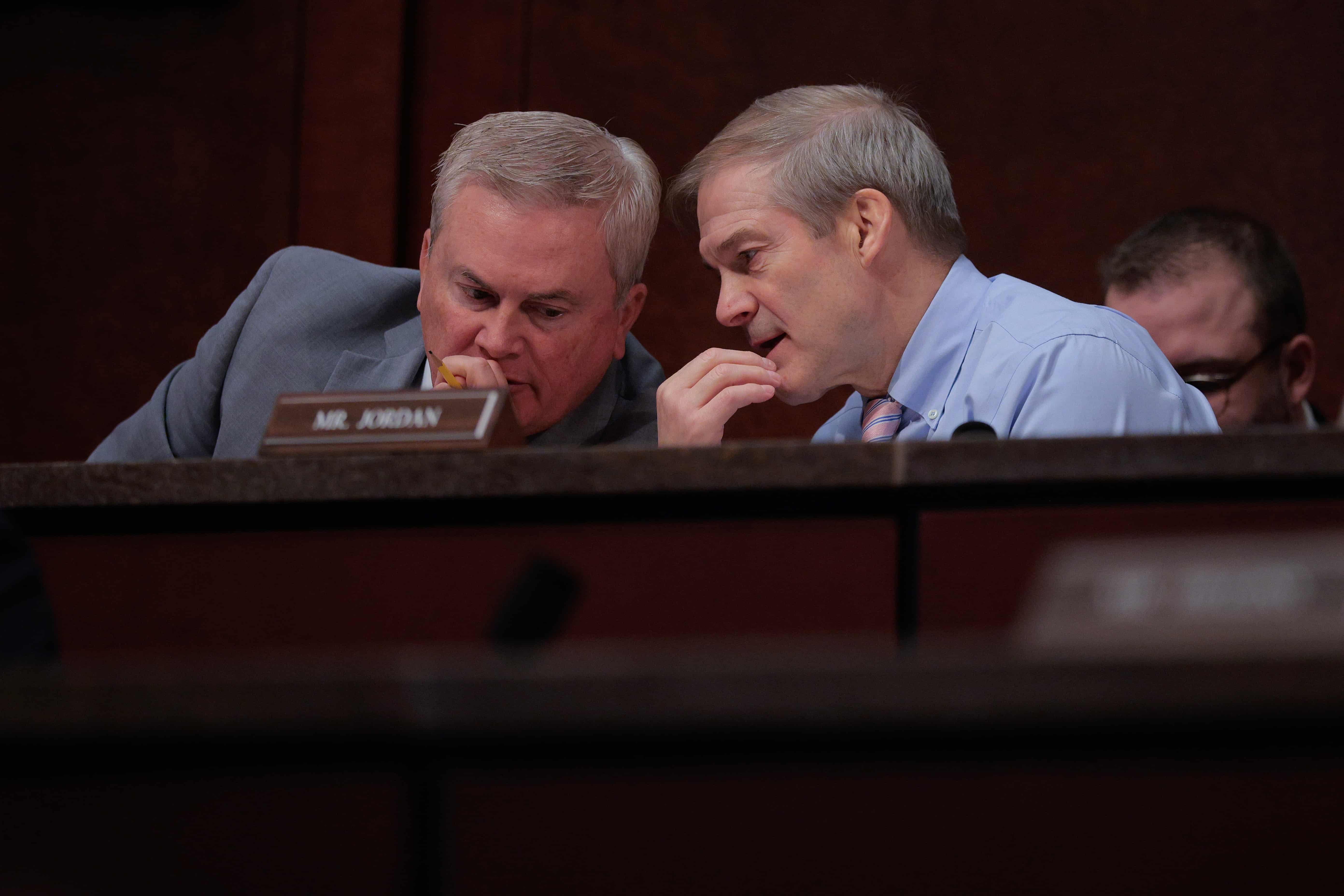
House Republicans, including Oversight Committee leadership, expanded inquiries into Minnesota agencies and officials, citing whistleblower accounts, delayed enforcement and program growth. Hearings featured testimony and commentary asserting that fraud warnings were ignored and that political considerations constrained earlier action.
Congressional Depositions
During a March 2026 hearing, Governor Walz and Attorney General Keith Ellison testified under oath about their knowledge of fraud investigations involving state-administered programs funded by federal dollars. Republican committee members argued the scale of fraud in Minnesota programs had grown significantly, questioning whether state officials had acted quickly enough after investigators raised concerns.
Committee Chair James Comer and other Republicans said whistleblower accounts suggested warnings about fraud were ignored or downplayed by state agencies. Republican members argued the hearing was necessary to determine when state leaders first became aware of the allegations and whether oversight failures allowed fraudulent claims to continue.
Walz and Ellison testified that state officials had worked with federal authorities and pursued prosecutions against those responsible. Walz acknowledged that fraud had occurred but argued Minnesota's programs still largely achieved their intended purposes and were not unique in facing fraud risks. Both officials also criticized the Trump administration's immigration enforcement surge in the state, arguing it diverted law enforcement resources and made it harder to investigate and prosecute fraud cases effectively.
Incidents and Oversight
The enforcement surge coincided with several high-profile incidents, including a fatal shooting involving ICE personnel that drew local and national scrutiny. Federal officials said the FBI would investigate the incident, while city and state leaders called for transparency and accountability.
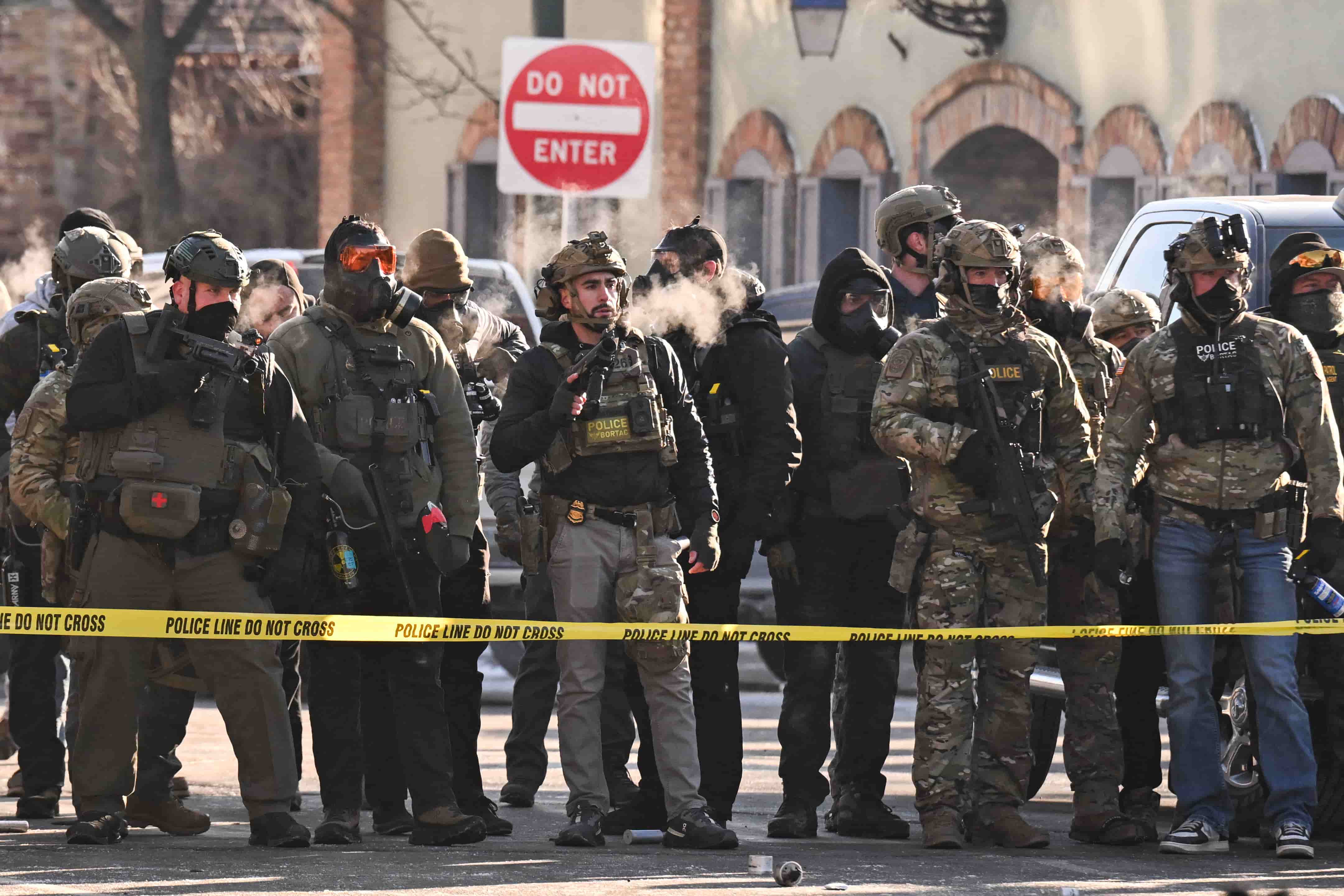
Protests and clashes around arrests were reported during the operation, prompting debates over the scope and conduct of federal enforcement. Congressional oversight expanded alongside these events, with Republicans citing the incidents as evidence of entrenched problems and Democrats calling for clearer limits and safeguards.
In early February, the Trump administration removed 700 agents from the state, with Trump sending border czar Tom Homan to Minnesota, where he helped scale back the number of agents and established a more "targeted" operation.
Renée Good Shooting
Renée Nicole Good, a 37-year-old Minneapolis resident, was fatally shot on Jan. 7 during an Immigration and Customs Enforcement (ICE) operation following an encounter between federal agents and local residents. Federal officials said the ICE agent involved, Jonathan Ross, acted in self-defense after believing Good was attempting to strike him with her vehicle. Video footage and witness accounts have produced conflicting interpretations of whether the agent was struck and whether Good posed an imminent threat.
After the shooting, career federal prosecutors in Minnesota expected a civil rights investigation into the agent's use of force and sought a warrant to search Good's vehicle. Reporting later indicated that senior DOJ and FBI officials halted that approach and urged alternative investigations focused on possible crimes by Good or her partner, citing concerns about contradicting the administration's public statements. Several prosecutors objected, calling the shift legally questionable, and six resigned in protest. State investigators were excluded, and officials have not publicly clarified what investigative steps are ongoing.
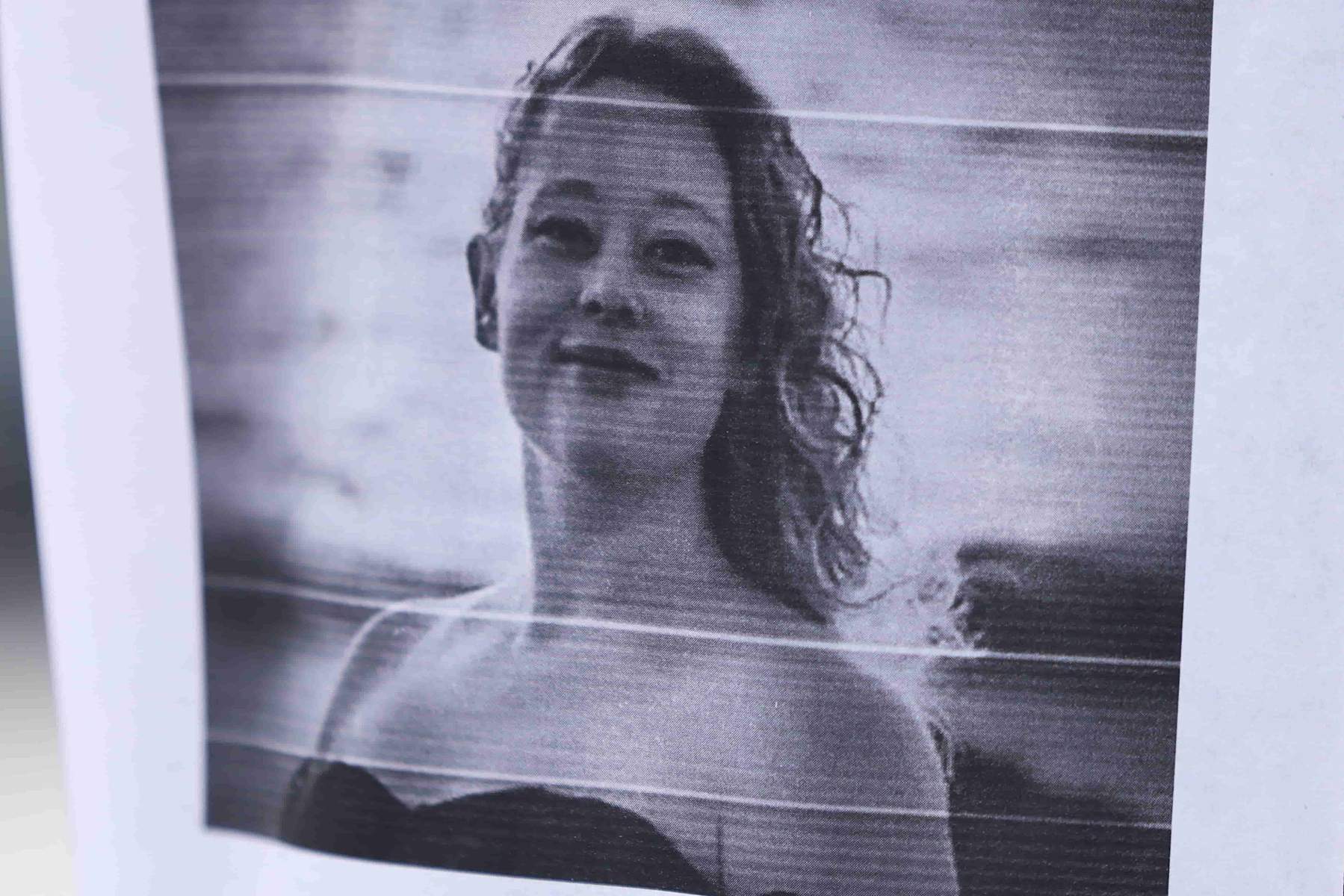
Alex Pretti Shooting
Alex Jeffrey Pretti, 37, was shot and killed on Jan. 24, 2026, in Minneapolis during a confrontation with federal immigration personnel. Federal authorities said he approached agents while armed and that an officer fired in self-defense, while Gov. Tim Walz and Minneapolis Police Chief Brian O'Hara disputed that account and said Pretti was a U.S. citizen with no criminal record and a valid permit to carry. The Hennepin County medical examiner ruled the death a homicide caused by multiple gunshot wounds inflicted by law enforcement.
Video accounts described by The New York Times show agents pushing civilians, using pepper spray and restraining Pretti on the ground before an agent removed a handgun from near his hip and two officers fired about 10 shots within seconds. Reporting also noted earlier confrontations between Pretti and immigration agents in January. Minnesota's Bureau of Criminal Apprehension said it opened an independent investigation and has sought cooperation with federal authorities, while state officials have said access to evidence has been limited and DHS has said the inquiry is ongoing.
Pre- and Post-Shootings Protest Environment
Protests and confrontations escalated in Minneapolis in the weeks before the shootings of Renee Good and Alex Pretti as federal immigration enforcement intensified. Residents and activists repeatedly confronted ICE and Border Patrol agents during operations, attempting to block vehicles, film arrests or intervene in detentions. Reporting described a pattern of tense street encounters, with federal agents documenting protesters and anticipating further clashes as opposition to the crackdown grew.
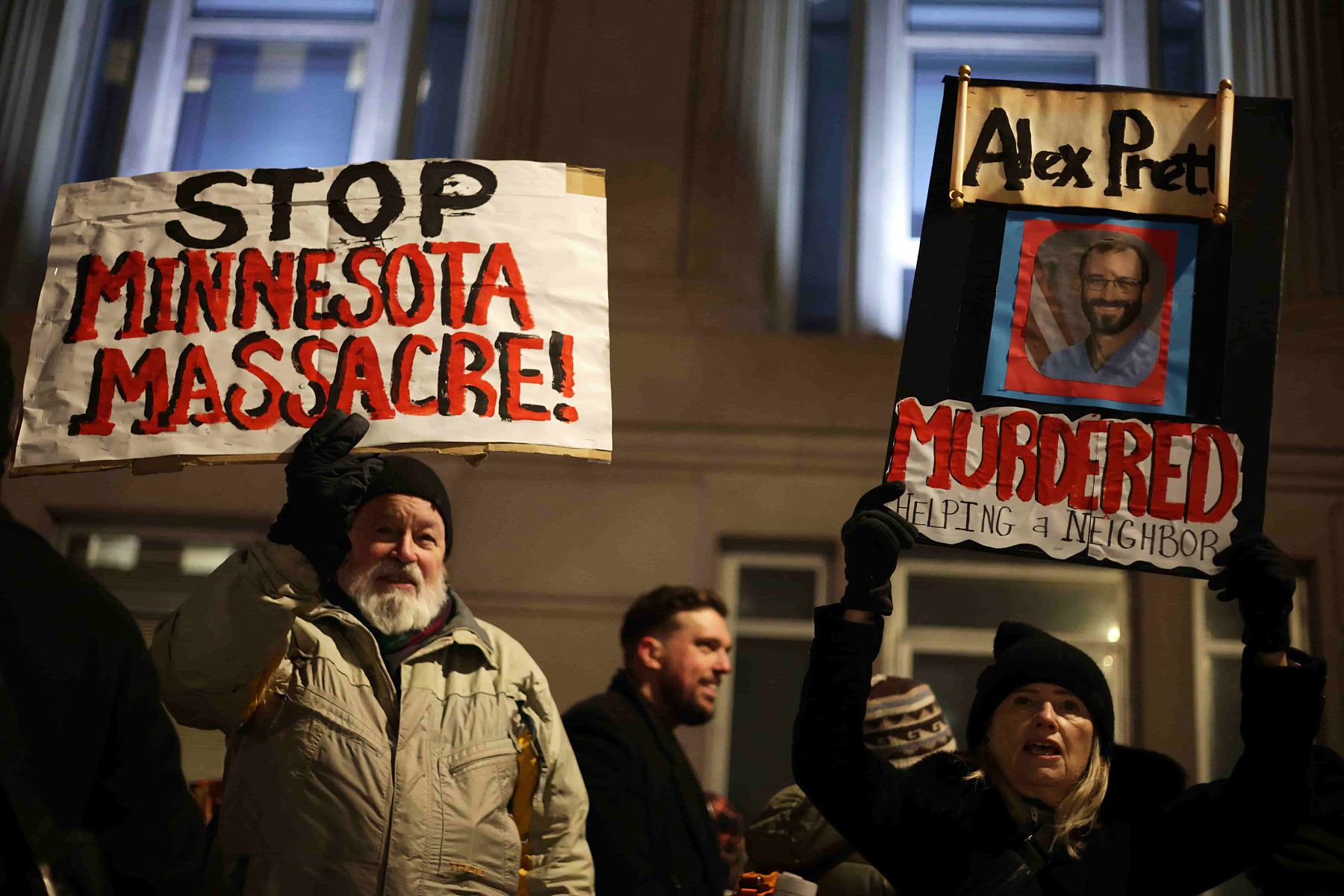
After the shootings, demonstrations widened and drew larger crowds at the shooting sites and in downtown Minneapolis. Protesters called for independent investigations, criticized federal use of force and demanded ICE leave the state, while state and local officials raised concerns about transparency and access to evidence.
Republican officials maintained that intensified enforcement, funding freezes and investigations were necessary to restore integrity to federal programs. Oversight hearings and interagency reviews continue as part of a broader Republican effort to frame Minnesota as a test case for stricter fraud and immigration enforcement nationwide.
Democrat Response
Governor Tim Walz, in office since 2019, has framed fraud revelations as occurring on his watch but cites actions his government has taken to tighten oversight and enforcement.
He has framed the issue as a failure of systems rather than ideology, arguing that programs designed to help vulnerable populations were exploited by specific actors.
On Jan. 5, 2026, Walz announced he would not seek reelection, saying the scale of the crisis required his full attention and that campaigning would distract from governing. He rejected calls to resign, criticized what he described as partisan exploitation of the scandal and said his focus would remain on stabilizing programs, supporting prosecutions and implementing reforms.
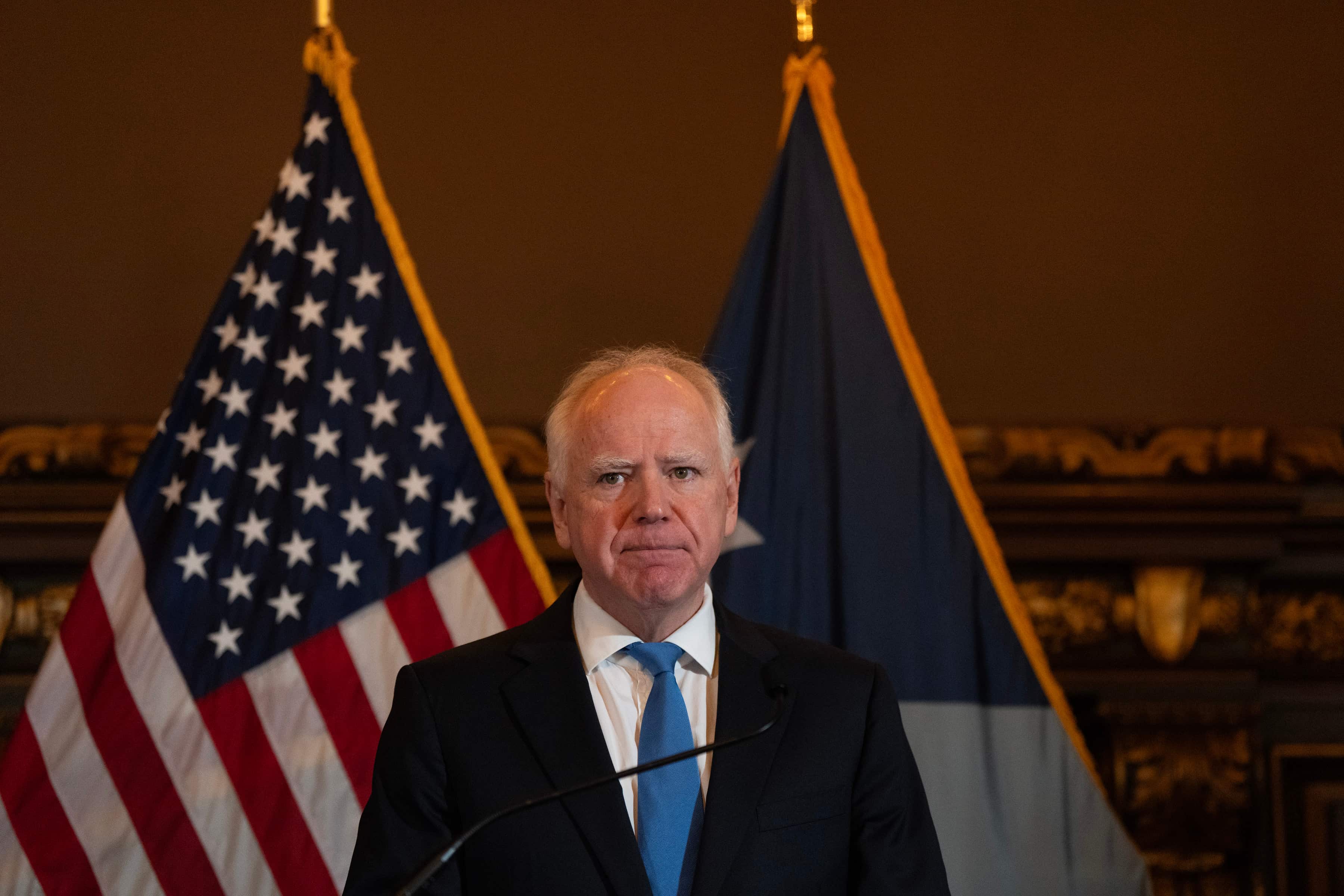
Walz has also drawn a distinction between accountability and collective blame, repeatedly condemning rhetoric that targets Somali Minnesotans or immigrants broadly. At the same time, he has acknowledged the volume of charges and the need for stronger safeguards, describing fraud prevention as essential to preserving public trust in social services.
Democratic Oversight and Accountability
Democratic leaders in Minnesota and Washington have generally offered a dual message of enforcement and reform. State officials pointed to licensing moratoria, program shutdowns, payment withholds and expanded audits as evidence that agencies acted once risks were identified. Walz appointed a statewide program-integrity lead with law enforcement experience and ordered outside reviews of Medicaid billing and other high-risk programs.
At the federal level, Democratic lawmakers have supported continued prosecutions while cautioning against drawing conclusions before audits and court proceedings are complete. Some emphasized that several programs predated Walz's tenure and that pandemic-era federal waivers, approved under bipartisan emergency conditions, reduced safeguards nationwide.
Some Democrats were critical, stating that state agencies were slow to act on early warnings and that whistleblowers felt ignored or chilled.
Response to Federal and Republican Pressure
Democratic officials strongly criticized actions by the Trump administration and congressional Republicans, particularly the freezing of federal child care funds. Walz and other Democrats characterized the move as disproportionate and politically motivated, arguing that it punished compliant providers and families before investigations were complete.
State and national Democrats also pushed back on what they described as misinformation and influencer-driven narratives. Several lawmakers argued that inspections, audits and prosecutions should guide policy, not viral content, and warned that broad funding freezes risked destabilizing essential services for working families.
At the same time, Democrats acknowledged that Minnesota's recent fraud cases have given Republicans a potent political narrative. Party leaders have sought to separate governance failures from partisan identity, stressing that fraud prevention is necessary to defend both taxpayers and the legitimacy of social programs.
Rhetoric and Community Impact
Democratic leaders have repeatedly condemned rhetoric they say stigmatizes Somali Minnesotans or immigrants, warning that collective blame undermines cooperation with regulators and law enforcement. They have emphasized that the vast majority of providers and beneficiaries comply with the law and that prosecutions target individuals, not communities.

Reporting indicates internal debate among Democrats over whether concerns about accusations of bias discouraged earlier enforcement.
Politically, the scandal reshaped Minnesota's 2026 landscape. Walz's decision not to run triggered a competitive Democratic field, including U.S. Senator Amy Klobuchar, with party leaders seeking to defend the state's record while promising tougher oversight. National Democratic organizations expressed confidence in retaining the governorship, even as they acknowledged voter frustration over governance failures.
Next Steps
Democratic officials have outlined continued audits, prepayment reviews, program redesigns and coordination with federal partners as investigations proceed. Legislative hearings, court cases and inspector general reports are expected to extend into 2026, shaping both policy reforms and electoral debates.
Community Impact
Following the viral video and subsequent enforcement surge, child care providers, nonprofit staff and community advocates reported an increase in harassment.
Several providers said callers accused them of fraud and demanded access to records or premises, prompting concerns about safety and disruption.
One south Minneapolis daycare reported a break-in in which a wall was breached and enrollment records were taken. Police categorized the incident as a burglary rather than a hate crime. Advocates cited the timing of the incident amid heightened scrutiny as evidence of spillover effects from the public allegations.
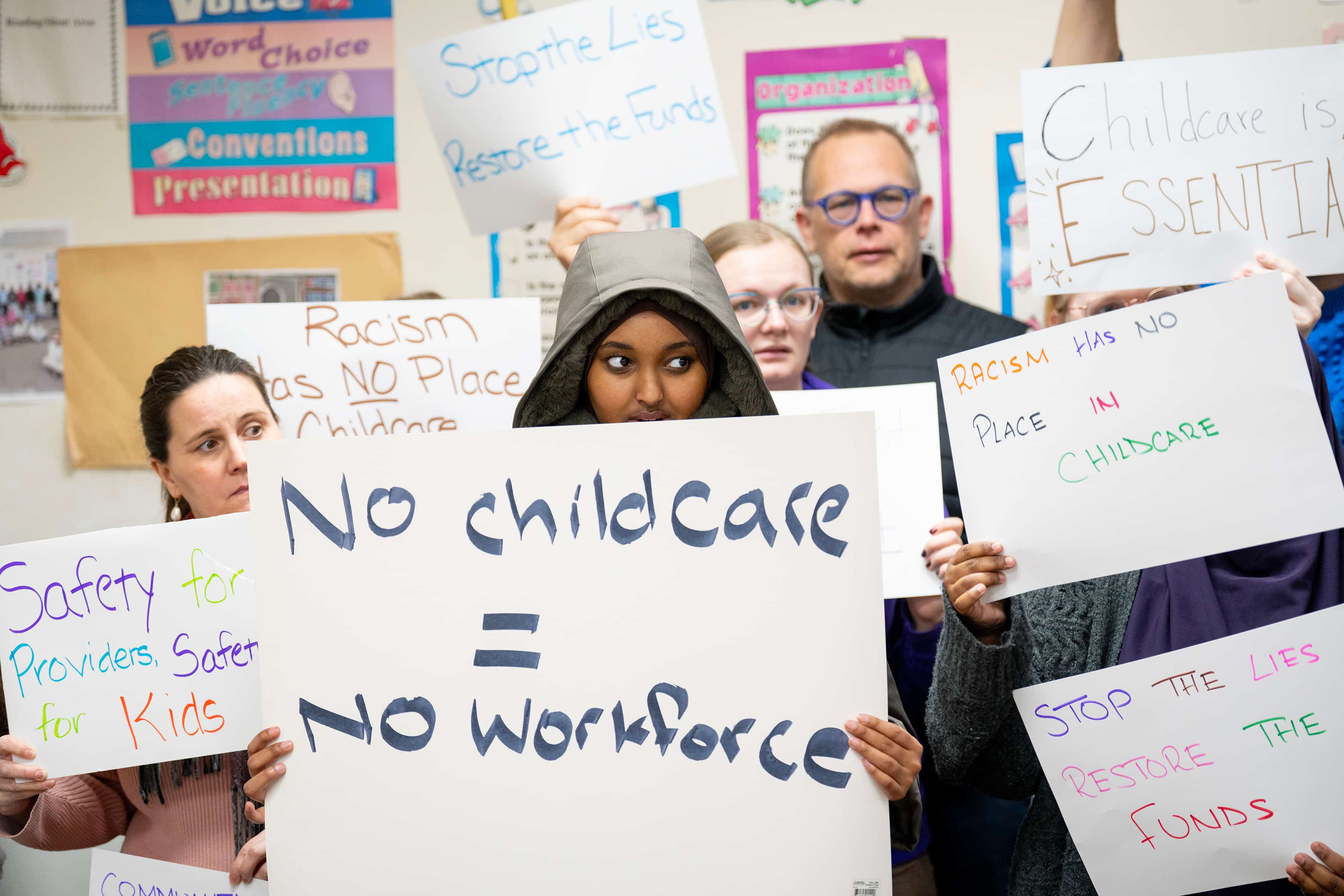
Conservative commentators and anti-fraud advocates acknowledged the reports, but cautioned against assuming motive. Others speculated as to why a burglar would only steal administrative records and suggested it was an inside job to hide records of fraud. They pointed to alleged physical evidence, including that the wall was broken into from the inside.
Business Slowdowns and Fear
Somali-owned restaurants, cafes and small businesses reported sharp declines in customer traffic following the video and enforcement actions. Business owners cited threatening messages, online accusations and customer apprehension about being associated with fraud investigations.
Right-leaning outlets and commentators framed the downturn as a predictable market response to widespread allegations of misconduct, arguing that consumer skepticism was a rational reaction until audits and prosecutions clarified which businesses were compliant. Some emphasized that public trust, once eroded by fraud cases, is slow to recover.
Other coverage emphasized that most Somali Minnesotans are U.S. citizens or lawful residents and that Somali-owned businesses play a significant role in the local economy. Critics of enforcement acknowledged these facts but argued that citizenship status does not shield individuals or businesses from scrutiny when public funds are involved.
Anti-Fraud, Immigration and Public Opinion
Polling during the enforcement surge reflected strong public concern about immigration enforcement and fraud. A Rasmussen Reports survey found that 79% of likely voters said it was important to deport illegal immigrants who commit crimes, including majorities of Republicans, independents and Democrats, and other polls have shown roughly two-thirds of Americans support deporting immigrants who are in the country illegally.
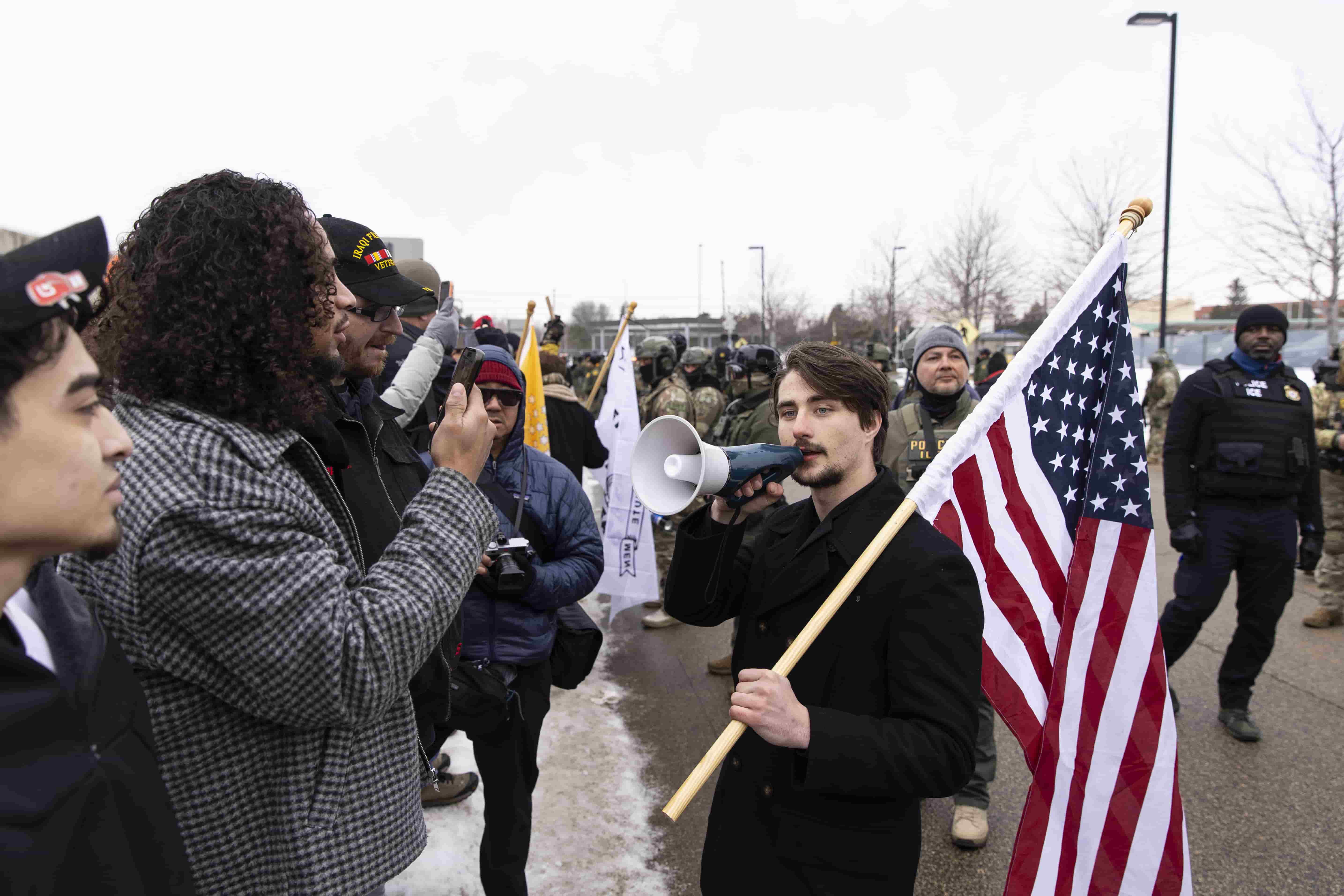
At the same time, other surveys showed mixed views on specific enforcement tactics. In the wake of the fatal ICE shootings during the Minnesota surge, majorities in some polls described the incidents as unjustified or inappropriate, even among respondents who broadly support immigration enforcement, suggesting that many voters separate backing for enforcement in principle from concern about particular methods or conduct.
Civil Society Responses
Civil rights organizations, faith groups and immigrant advocates rejected claims that fraud justified broad suspicion of Somali Minnesotans. Groups such as CAIR-Minnesota urged investigations into threats and vandalism and emphasized that criminal cases target individuals, not communities.
Local officials echoed those concerns while stressing that fraud reporting should occur through inspectors general, licensing agencies or law enforcement. They warned that vigilantism, harassment and unverified accusations could compromise investigations and public safety.
Confusion and Funding Impacts
The statewide freeze on federal child care payments intensified debate. Providers warned of cashflow disruptions, delayed payroll and potential closures, particularly for centers serving low-income families reliant on the Child Care Assistance Program.
Republican officials and anti-fraud advocates argued that short-term disruption was preferable to continued losses, framing the freeze as a necessary safeguard while audits were completed. They said protecting taxpayer funds must take precedence over program continuity if fraud risks are unresolved.
Parents reported concerns about losing access to affordable child care, with some saying they might reduce work hours, leave jobs or pause education plans if subsidies were not restored. Providers said staff time increasingly shifted from caregiving to handling inquiries, documentation requests and media attention.
Alternate Theories and Questions
Besides individual cases of greed or government failures, the controversy prompted wider, more unconventional theories around who was behind the alleged fraud and why.
Terrorism
Some advocacy groups, opinion writers and online commentators have raised concerns that fraud proceeds may have been diverted to extremist or terrorist organizations, including al-Shabaab, which is based in Somalia.
These claims referenced overseas wire transfers, cash movements and real estate purchases abroad cited in charging documents as indicators of potential national security risk.

Sources advancing this theory argued that Somalia-linked financial networks have historically been used to move funds across borders and that large-scale fraud creates opportunities for misuse beyond personal enrichment. They contend that the absence of terrorism charges does not preclude the possibility of such activity.
Federal indictments and DOJ announcements cited in the sources do not charge defendants with terrorism-related offenses. Reporting emphasizes that no public filings have established a direct link between Minnesota fraud cases and terrorist financing, and officials have not publicly endorsed these claims.
Foreign Governments, Intelligence Claims and Somaliland
A set of online commentators and social media figures have advanced theories suggesting foreign government involvement in identifying or tracing the fraud schemes. These claims, circulated primarily on YouTube, X and other alternative platforms, assert that Israeli intelligence services, including Mossad, may have been among the first to detect financial irregularities linked to Somali-run operations in Minnesota.
According to these commentators, Israeli media figures allegedly reported that intelligence tracing of money flows preceded U.S. enforcement actions. Some accounts further speculate that these efforts were connected to Israel's growing interest in Somaliland, which Israel recently recognized or signaled support for in separate geopolitical contexts. These claims are presented as circumstantial.
A subset of this commentary goes further, alleging that Israel's interest in Somaliland relates to proposals or discussions about resettling Palestinians or establishing a security presence there. Proponents of this theory argue that uncovering fraud tied to Somali-linked networks may have aligned with broader regional intelligence priorities.

NGO and Nonprofit System Capture
Another theory advanced in conservative policy commentary, but also liberal outlets like The Atlantic, focuses on nonprofit and NGO structures rather than ethnicity or foreign influence. These sources argue that nonprofit sponsorship models, fiscal intermediaries and administrative fee arrangements created systemic vulnerabilities that enabled large-scale fraud.
Commentators claim that weak oversight of nonprofits allowed shell entities to operate under charitable umbrellas with minimal verification of services provided. Some describe the scandal as evidence that NGO-driven welfare delivery has outpaced regulatory capacity.
While the nonprofit Feeding Our Future gained much of the scrutiny, others have also been alleged to play a role in widespread fraud: Stigma-Free International, which was referenced in federal reporting in connection with individuals charged in the broader meal-fraud investigation; and Partners in Quality Care, which was identified in charging documents as an affiliated entity alleged to have participated in fraudulent reimbursement schemes.
Unresolved Questions
Across all theories, key questions raised in the sources remain unanswered: the final scale of losses, the extent of overseas financial flows, whether additional charges will be filed and how effective new controls will be. Audits, trials and congressional oversight are expected to continue into 2026.
Overview

