L'Oreal Sales Beat Forecasts as GLP-1 Boom Reshapes Skin Care
The Facts
- L'Oreal said Thursday that sales in the three months to September rose 7.7% to 11.56 billion euros ($12.95 billion), exceeding analyst forecasts of 5.9% growth. Like-for-like sales grew 7.2% during the quarter.
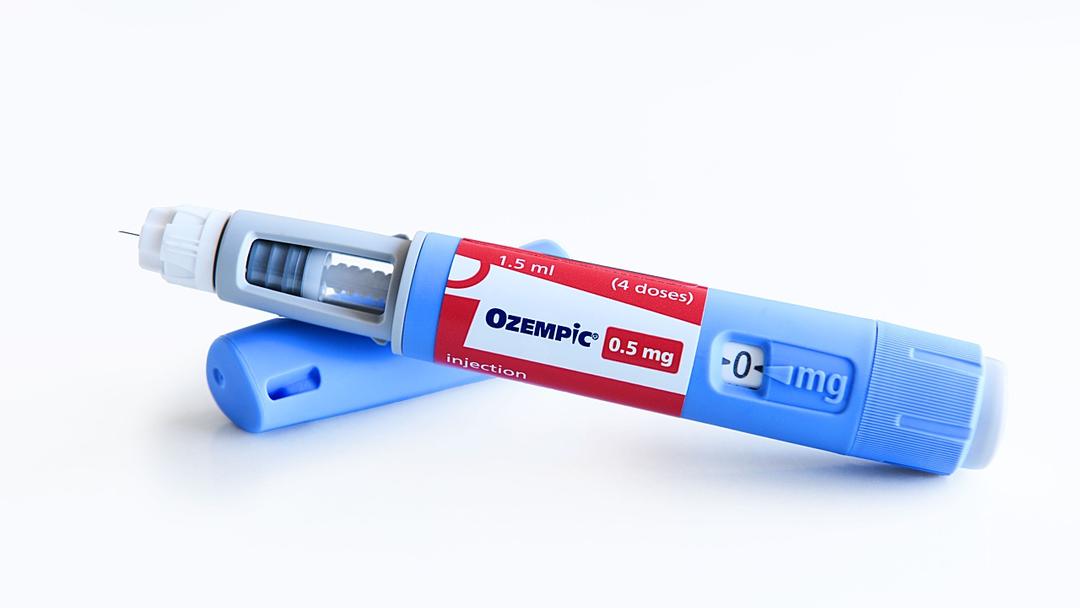
- CEO Nicolas Hieronimus told an investor call that the beauty market was proving resilient in a challenging global context, and described rising GLP-1 use as "a very important phenomenon for us" affecting skin care consumption.
- Hieronimus said the brands SkinCeuticals and Kiehl's sell products built to work alongside GLP-1 drugs and their side effects on skin sagging. L'Oreal is also testing products on GLP-1 users in separate studies, its innovation chief said.


Sources Split
LEFT
CENTER
RIGHT
+1
+1
+1

+1


+1
+1
ESTAB
CRIT
CENTER
PRO
ESTAB
The Spin
Narrative A
Blaming GLP-1s for the impact on facial appearance misses the point — crash-speed weight loss is the culprit, and skin simply can't keep up. Used as a short-term tool to tame cravings while protein-heavy meals and strength training become habits. This is an issue that should be managed with a more holistic approach to weight loss that can include GLP-1's but shouldn't solely depend on them.

Narrative B
Saying people should just lose weight slower ignores how fast these drugs work and how much volume a face actually loses. Clinically tested injectables and collagen-building treatments offer real answers, while creams alone can only do so much. Beauty brands entering this space with research and regulatory guardrails deserve credit.


Metaculus Prediction
© 2026 Improve the News Foundation.
All rights reserved.
Version 7.18.3