Libya Rivals Strike UN-Backed Election Deal
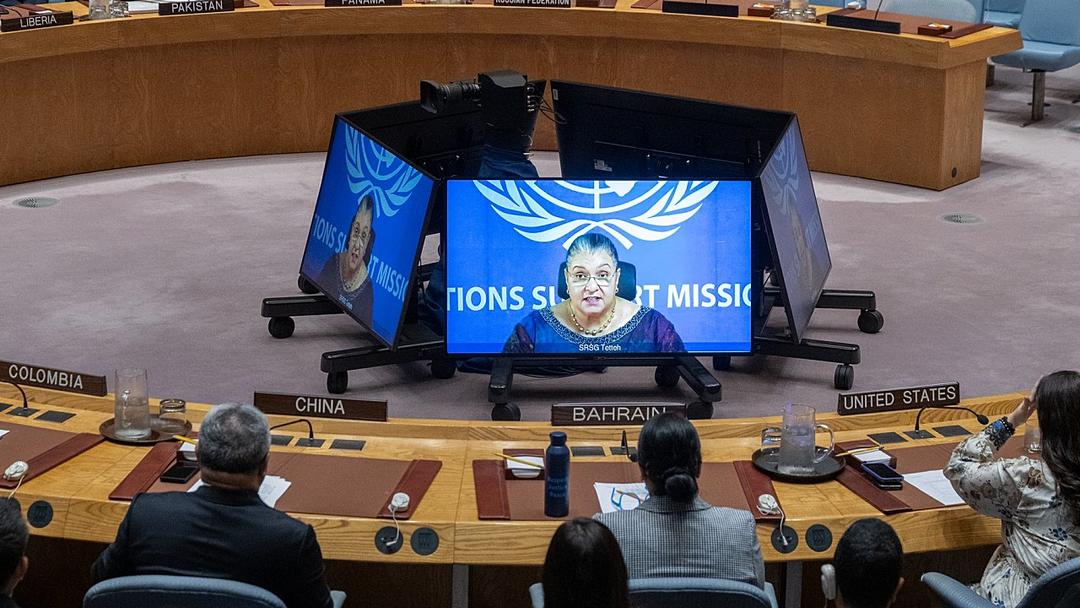
The Facts
- Libya's rival political factions signed a U.N.-backed agreement on Sunday committing to hold presidential and legislative elections within 24 months under a single executive authority, with the signing ceremony held at the headquarters of the U.N. Support Mission in Libya (UNSMIL) in Tripoli.
- The deal was negotiated by a 4+4 Committee bringing together representatives of Libya's rival political and military institutions, following an initial draft on Aug. 20. U.N. envoy Hanna Tetteh called the signing "an important step" toward ending Libya’s political deadlock.
- The agreement calls for restructuring the High National Elections Commission, appointing Dhaou Ibrahim Attia as its chair and Sana al-Lishani as deputy chair, and resolving disputes over the constitutional and legal framework governing elections.


Sources Split
LEFT
CENTER
RIGHT
+1
+1
+1
+1
+3
+1


ESTAB
CRIT
CENTER
PRO
ESTAB
The Spin
Narrative A
This U.N.-backed election deal is a fragile paper promise that sidesteps Libya's real power brokers. Key legislative bodies weren't even briefed on the talks, and there's a dangerous gap between who signed the agreement and who actually has the authority to implement it. Without concrete plans for interim governance, clear implementation mechanisms or genuine consensus across Libya's divided institutions, this pact risks collapsing just like every previous effort.

Narrative B
Libya's rival factions finally signing an election deal after years of deadlock is the breakthrough the country needed. The agreement tackles core disputes — electoral laws, a unified elections commission and a single executive authority — and builds in accountability through a one-month endorsement window. Dismissing this as symbolic ignores that it's the most concrete, internationally supported path toward credible elections Libya has had in over a decade.
Establishment-critical narrative
The Western debate over Libya's political future often overlooks why the country remains trapped in instability. NATO's 2011 military intervention was instrumental in toppling Muammar Gaddafi's government, leaving behind a fractured state and armed factions. Another U.N.-backed roadmap cannot erase that legacy. Western governments pushing Libya toward elections should reckon with how their intervention helped create the political vacuum they are now trying to resolve.
