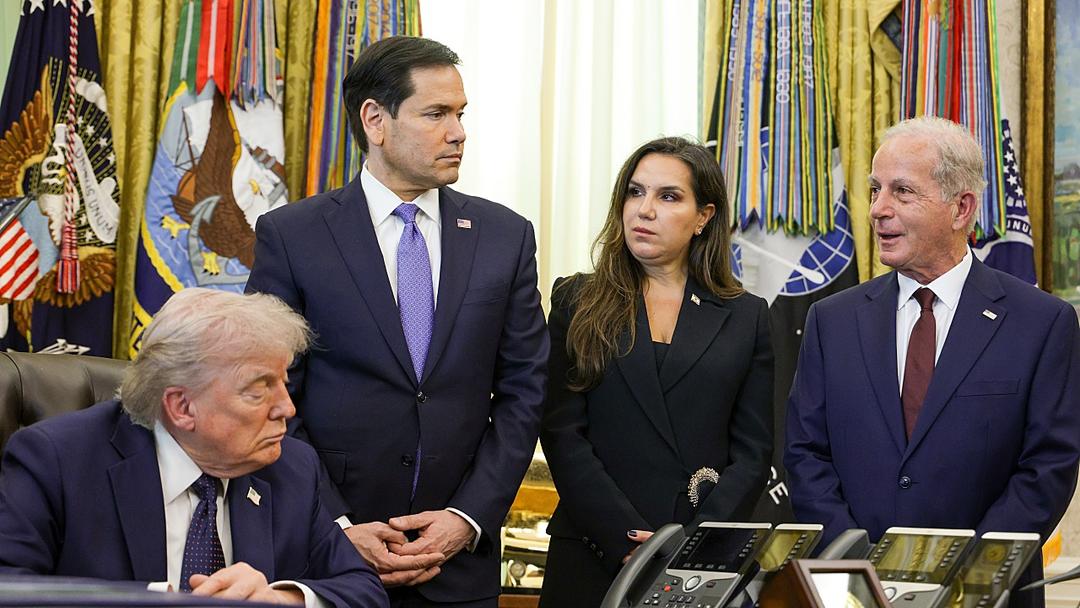
Trump Announces Lebanon-Israel Ceasefire Extension Following US-Mediated Talks
The Spin
Pro-Israel narrative
An extended ceasefire without Hezbollah’s disarmament risks allowing the terrorist group to rearm and threaten northern Israel again — as seen after 2000 and 2006. Israel’s continued engagement in ceasefire talks signals a willingness to negotiate, but this agreement makes clear Lebanon’s armed forces must be the sole security authority. Real peace ultimately requires structural change, not just another temporary pause in fighting.
Anti-Israel narrative
Israel is deliberately killing journalists and demolishing Lebanese villages while invoking ceasefire talks in Washington. An Israeli strike killed journalist Amal Khalil and then blocked rescuers from reaching her — not a military operation, but a blatant war crime. Any ceasefire extension that does not demand a full Israeli withdrawal and a halt to demolitions risks becoming cover for continued occupation and destruction on the ground.
Establishment-critical narrative
The U.S. frames these talks as a push for peace, but its approach helped enable the escalation it now claims to resolve — backing Israel even as strikes in Lebanon killed hundreds of civilians and continued amid ceasefire dynamics. Washington's blind alignment with Israel has made conflicts easier to start and harder to contain, embedding the instability U.S. diplomacy now claims to fix and risking a cycle of repeated escalation that undercuts lasting peace.