Japan Raids Ice Cream Giants Over Alleged Price-Fixing Cartel
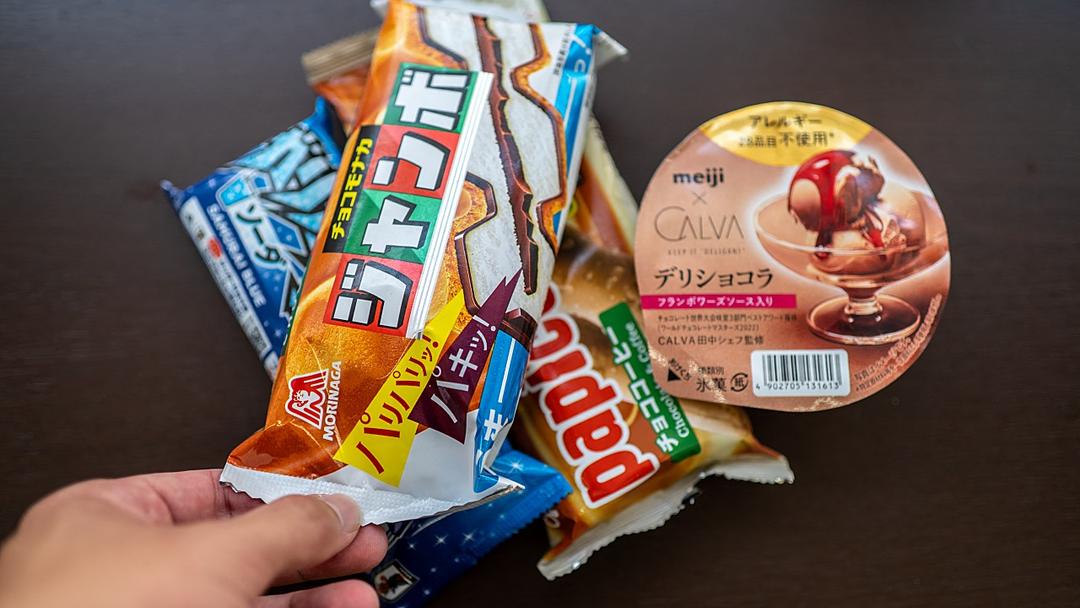
The Facts
- Japan's Fair Trade Commission (JFTC) raided the offices of six major ice cream manufacturers on Tuesday over suspicions they formed a price-fixing cartel in violation of the country's anti-monopoly law.
- The six companies under investigation are Meiji, Morinaga Milk Industry, Lotte, Ezaki Glico, Morinaga & Co. and Akagi Nyugyo. This marks the first JFTC investigation into a suspected price cartel in the ice cream industry.
- Executives at the firms are suspected of exchanging emails and holding meetings over several years to coordinate the timing and scale of suggested retail price increases, with hikes of around 10 to 20 yen per product.


Sources Split
LEFT
CENTER
RIGHT
+1
+1


+2
+1
ESTAB
CRIT
CENTER
PRO
ESTAB
The Spin
Narrative A
Japan's ice cream companies deserve credit not scrutiny — a mere 10-to-20 yen price hike is the opposite of predatory behavior. This probe unfairly targets companies that are simply responding to the same rising costs for sugar, packaging, and transportation. Similar price increases occur naturally when firms face the same economic pressures, so regulators should be careful not to mistake parallel pricing for illegal collusion.

Narrative B
Price hikes dressed up as cost pressures are a lot harder to defend when manufacturers were coordinating increases behind closed doors. Japan's Antimonopoly Act exists precisely to stop this kind of collusion, and consumers were right to feel the prices were unjustifiably high. Restoring real competition is the only way to guarantee fair pricing going forward.


© 2026 Improve the News Foundation.
All rights reserved.
Version 7.18.2