Israel Strikes Iran's Leadership Compound in Tehran


The Facts
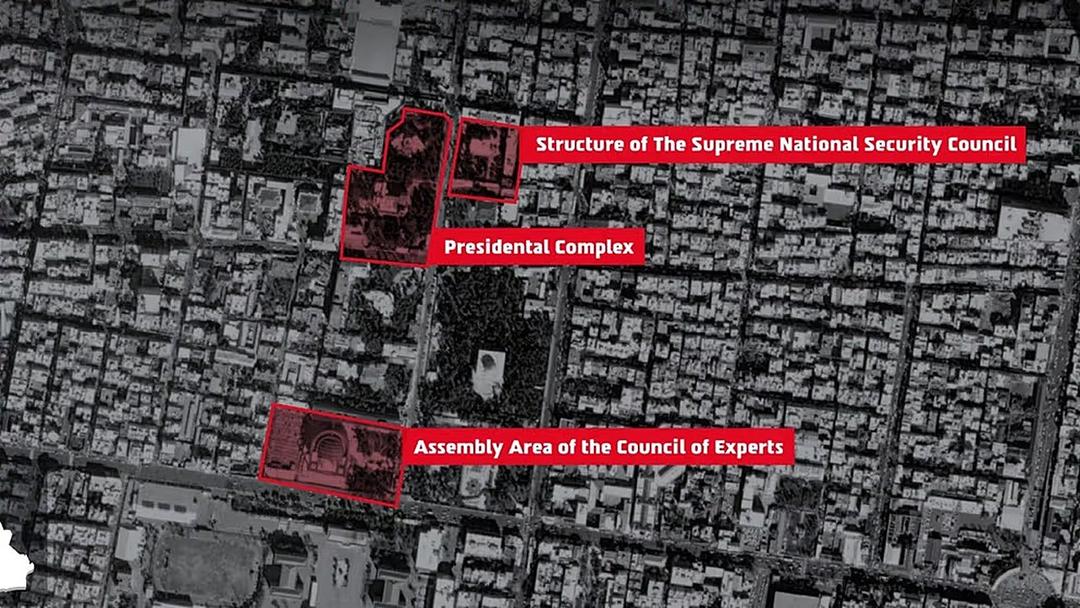
- In a statement on Tuesday, the Israel Defense Forces said it struck Iran's leadership compound in central Tehran, targeting the Presidential Office and the Supreme National Security Council building. The compound, which spans several streets in central Tehran, was "one of the most heavily secured sites in Iran."
- The International Atomic Energy Agency confirmed damage to the entrance buildings at Iran's underground Natanz Fuel Enrichment Plant based on satellite imagery. The agency stated it does not expect any radiological consequences from the damage.
- Meanwhile, Israeli forces advanced into Lebanese territory on Tuesday from Kfar Kila and the Khiam plains along the Lebanon-Israel border after Israeli Defense Minister Israel Katz authorized his military to "take control of additional strategic positions in Lebanon." Reports allege that the Lebanese Army has begun detaining members and supporters of Hezbollah following the government’s Monday decision to ban the group’s activities after it launched strikes against Israel.




Sources Split
LEFT
CENTER
RIGHT
+1
+2


+1
+1
+2
+1
ESTAB
CRIT
CENTER
PRO
ESTAB
The Spin
Pro-Trump narrative
Iran's military infrastructure has been completely dismantled in coordinated strikes. The regime now desperately seeks negotiations after years of aggression, but that opportunity has passed. These decisive actions signify a historic turning point that will reshape the Middle East for decades and offer the Iranian people hope for a better future.
Pro-Iran narrative
Iran pursued diplomacy in good faith while war was imposed by aggressors who violated international law and the U.N. Charter. Attacks on civilians and infrastructure constitute genocide against a nation that never deployed troops or threatened others. The contradictory justifications from Washington expose lies constructed to justify aggression against Iranian civilization.
Establishment-critical narrative
As conflict intensifies, the primary beneficiary is the U.S. military-industrial complex — a network President Dwight D. Eisenhower warned about in 1961. Surging defense budgets bolster firms like Lockheed Martin and Raytheon Technologies, even as regional instability deepens, diplomatic options narrow and ordinary civilians bear the escalating human and economic costs.

Cynical narrative
Each side is shaping the story to serve its own interests. Iran emphasizes heavy casualties and damaged radar systems to rally support at home, while Western media minimizes the impact of the strikes to preserve an image of superiority. In modern conflict, information can be as powerful as weaponry — the side that frames the narrative often influences how the war unfolds. Without reliable assessments of the actual damage, decision-makers risk making flawed choices in a confrontation that could jeopardize the world’s most vital oil transit route.