Israel Elections: Main Parties

The Facts
- Overview: Israel's parliament, the Knesset, has 120 members elected by nationwide proportional representation, with voters casting ballots for party lists rather than individual candidates. Parties must clear an electoral threshold of 3.25% of the national vote, equal to about four seats, to win representation. Because no single party has historically won 61 seats outright, governments are assembled through coalitions, and the party leader tasked with forming one has 28 days to do so, with a possible 14-day extension.
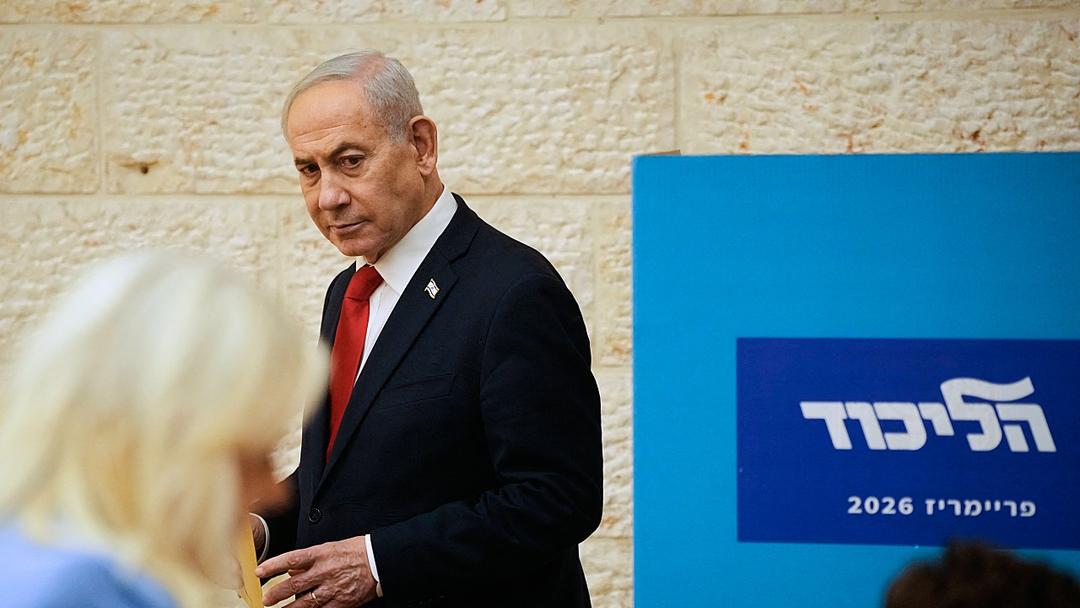
- Likud's Record: Likud, founded in 1973 and led by Prime Minister Benjamin Netanyahu, has governed Israel for more than 34 of the past 49 years, including roughly 19 under Netanyahu, the country's longest-serving prime minister. The party emphasizes free-market economics, a strong security posture and support for settlements in the West Bank, and selects most of its slate through primaries. Netanyahu faces trial in three corruption cases at home and an International Criminal Court arrest warrant abroad.
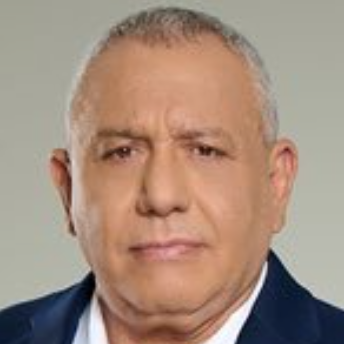
- Yashar: Yashar, founded in 2025 by former Israel Defense Forces Chief of Staff Gadi Eisenkot, is running for the first time and had no seats in the outgoing Knesset. Its stated priorities include national security, strengthening the military, universal military or national service, public education, a constitution defining checks and balances and a state commission of inquiry into the failures surrounding Oct. 7. Eisenkot heads its 40-member slate, with former Shin Bet chief Yoram Cohen second.


Sources Split
LEFT
CENTER
RIGHT
+3

+1

ESTAB
CRIT
CENTER
PRO
ESTAB
The Spin
Government-critical narrative
Yashar is taking aim at Likud on its own turf, pairing Gadi Eisenkot's security credentials with a slate built to reach beyond the traditional center-left. Former security chiefs, military figures, religious and Druze representatives, educators and other public figures give the party a broad cross-section of Israeli society. That combination could help Eisenkot win over dissatisfied center-right voters seeking a new political home without compromising on security, giving Yashar a real path to overtake Likud.
Pro-government narrative
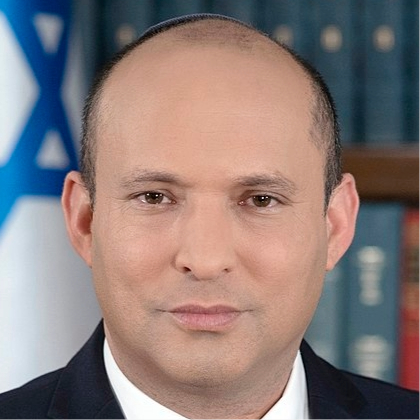
Netanyahu's bloc is showing resilience despite Yashar's rise, with Likud repeatedly narrowing the gap and right-wing parties regaining ground. Recent polling has seen the bloc pull even with its rivals, while Shas, Otzma Yehudit and Religious Zionism maintain a combined base that keeps the right competitive. The opposition also remains divided, with Bennett and Liberman resisting Eisenkot's push to unite behind the largest party. The race remains wide open, with neither side near 61 seats.
Cynical narrative
Israel's democratic test is not whether Eisenkot can replace Netanyahu, but whether Palestinian citizens can participate as equals. Repeated attempts to ban Arab parties turn basic political rights into privileges dependent on judicial rescue, not to mention the systematic disenfranchisement of non-Jewish populations in general. Restoring the lists to the ballot is necessary but insufficient: democracy requires protecting Arab citizens' right to choose their representatives and help govern, rather than treating their participation as a threat.