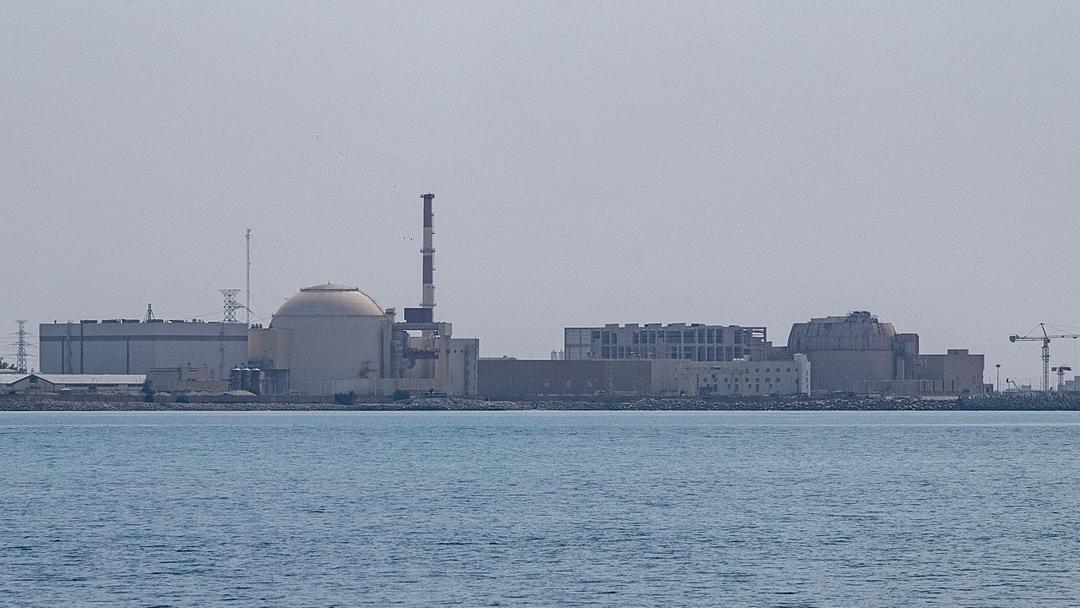
US-Israel Strike Near Iran's Bushehr Nuclear Plant
The Spin
Pro-Iran narrative
The U.S. and Israel launched an unprovoked assault on Iran, bombing the Bushehr Nuclear Power Plant four times and creating radioactive fallout that threatens the entire Gulf region. Striking civilian infrastructure and diplomatic facilities isn't defense — it's aggression that will destabilize the whole Middle East. Iran's armed forces have every right to retaliate against American and Israeli assets across the region and beyond, if such actions persist.
Pro-Trump narrative
Iran was sitting on hundreds of kilograms of uranium enriched to 60% — a razor-thin step from weapons-grade material — and letting that stand would've handed a theocratic regime nuclear immunity over the world's most critical energy chokepoint. A nuclear-armed Iran controlling the Strait of Hormuz would've gutted the petrodollar and forced Gulf states into BRICS alliances. Acting decisively now prevented a far bloodier, far more existential conflict later.
Anti-Trump narrative
It increasingly appears that Donald Trump has lost strategic control. His chosen conflict with Iran has evolved into a costly impasse, marked by continued escalation without a viable resolution. International alliances have eroded, contributing to growing isolation. Economic repercussions are intensifying, while domestic instability rises. The military faces a deepening quagmire, and what remains is a weakened, divided nation standing increasingly alone.
Narrative D
Repeated strikes by the United States and Israel on Iranian nuclear facilities heighten fears of civilian casualties and widespread radioactive fallout. Such actions contravene international law and fundamental human rights, raising urgent concerns about accountability. The situation underscores the profound and far-reaching dangers of escalation, as the risk of a nuclear catastrophe grows, threatening not only the region but broader global stability and security.
